P1299 Code: Vehicle-Specific Meaning and Safe Next Steps
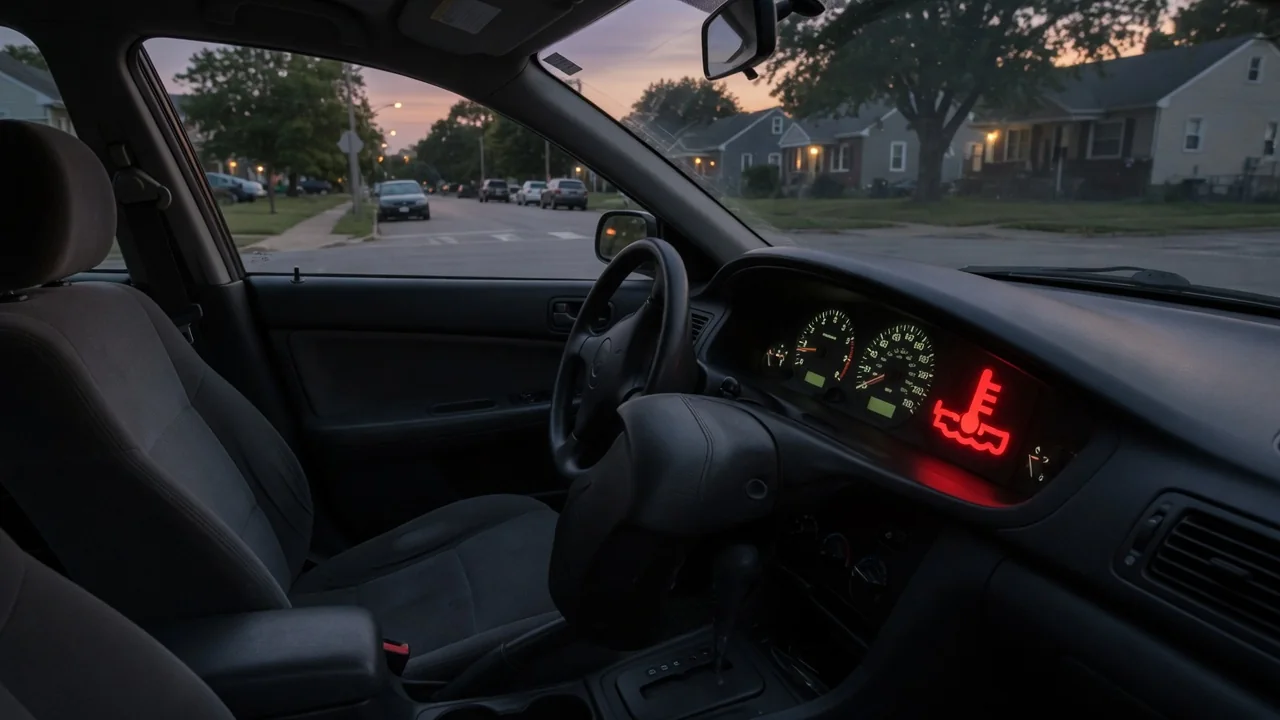
A P1299 code can look alarming, especially when it shows up with a temperature warning or a sudden loss of power. P1299 is a manufacturer-specific code, so its meaning depends on the vehicle. On many Ford applications, it points to cylinder head overtemperature protection. This guide explains how to confirm the definition, recognize the warning signs, and approach diagnosis and repair safely.
Verify What P1299 Means for Your Vehicle
Codes in the P1xxx range are manufacturer-specific powertrain codes. Unlike many generic P0 codes, the P1299 code has no single definition that applies to every vehicle. Before interpreting it, confirm the definition for the exact make, model, year, and engine. Use factory service information or a scan tool that reads enhanced manufacturer data. A basic code reader may show a vague description or none at all, and relying on a guessed meaning can steer diagnosis in the wrong direction from the start.
Many Ford applications use P1299 to report that cylinder head overtemperature protection has been activated. This means the engine computer detected excessive cylinder head temperature and may have limited engine operation to protect it. Some Mazda models share engine families with Ford, but don't assume the Ford meaning applies to every Mazda. Verify the definition for that specific vehicle first. Even where the overtemperature meaning applies, the code only records a detected condition. It doesn't identify the failed component or prove the engine is damaged.
Symptoms and Signs That Require Stopping
On vehicles where P1299 is confirmed as an overtemperature code, you may see a temperature warning light or message. The gauge may read well above its usual position, or you may notice reduced engine power as the protection strategy limits load. Some drivers also notice a sweet coolant odor, steam from under the hood, or a heater that suddenly blows cooler air. Not every symptom appears in every case, and the code is sometimes found stored after only a brief warning that has since gone away.
An overheating warning, visible steam, or sudden power loss means you should pull over as soon as it's safe and switch off the engine. Driving on to see whether the warning clears risks turning a cooling problem into serious engine damage. If you suspect overheating, call roadside assistance or arrange a tow. Never open the radiator cap or reservoir on a hot engine, because pressurized coolant can cause severe burns. Keep your hands away from fans, belts, and hot engine parts, since an electric fan can start without warning.
Possible Causes Behind an Overtemperature Event
When the overtemperature definition is verified, plausible causes fall into four groups. These are coolant loss, poor airflow through the radiator, restricted coolant circulation, and faults in temperature measurement or the temperature sensor circuit. External leaks from hoses, the radiator, the water pump, or the reservoir can lower the coolant level until the cylinder head runs hot. A cooling fan that fails to engage, or debris blocking the radiator, can let heat build at idle or in traffic even when coolant is full.
A thermostat that sticks closed, a weak water pump, or air trapped after recent service can restrict circulation. None of these should be treated as the diagnosis until testing supports it. Bad temperature data from a failing sensor, damaged wiring, or a corroded connector is also possible. Never assume it's the cause just because the engine seems normal afterward. If your vehicle defines P1299 differently, these causes may not apply, and you should follow that manufacturer's own diagnostic path instead.
Safe Observations to Record Before Diagnosis
Before anyone clears the code, record every stored and pending code along with the freeze-frame data. Freeze-frame data captures conditions at the moment the fault was set, such as engine speed, vehicle speed, load, and reported temperatures. That helps a technician judge whether the event was a real overheat or a questionable reading. Also note whether the warning came on while idling, in stop-and-go traffic, while climbing a grade, or during sustained highway driving. Mention any recent cooling system work or coolant top-ups too.
Once the engine is fully cool, check the coolant level in the reservoir against the markings described in the owner's manual, without opening the cap. Look under the vehicle for puddles, and check around hoses and the radiator for dried, crusty residue that can mark a slow leak. A normal coolant level or gauge reading after the engine cools doesn't prove the fault is gone. Many causes of overheating are intermittent or appear only under load, so these observations support diagnosis rather than replace it.
Professional Tests That Can Identify the Fault
A technician will typically start by checking live temperature data for plausibility. That means comparing readings with expected behavior as the engine warms and with other available sensor data. Next, the cylinder head temperature sensor, its wiring, and its connections can be tested using the manufacturer's procedures for that vehicle. A cooling system pressure test can then reveal external leaks that are hard to spot by eye. Fan control checks confirm that the cooling fans are commanded on and actually run when they should.
Thermostat function and coolant circulation are checked by watching how temperature rises and how heat moves through the system. Tests for internal leaks or engine damage, such as combustion leak checks or compression testing, are usually reserved for cases with supporting evidence. Examples include unexplained coolant loss or overheating that continues after external problems are ruled out. These tests belong in a shop. Owners shouldn't try to reproduce the fault by running an overheating engine, bypassing the protection strategy, or opening pressurized parts.
Repair the Confirmed Cause and Verify Recovery
The repair should follow the test results, not a guess. That could mean fixing a confirmed leak, correcting a verified fan or airflow problem, restoring proper coolant circulation, or repairing a proven sensor or wiring fault. Use the coolant type and specification required for your vehicle. Follow the manufacturer's procedures for filling the system and bleeding out air, because the wrong coolant or trapped air can create new overheating problems. Confirm that any replacement part fits your exact vehicle rather than assuming it does.
Clearing P1299 doesn't repair anything, and clearing it before diagnosis can erase freeze-frame data that might have explained the event. After the repair, a technician should confirm that engine temperature stays stable in realistic driving and that the coolant level is correct once the engine cools. They should also confirm that no codes return. If the warning or code comes back, the problem should be diagnosed again rather than cleared again. A recurring overtemperature protection event means the underlying condition hasn't been fully fixed.