P1298 Code: Vehicle-Specific Meaning, Symptoms and Repairs
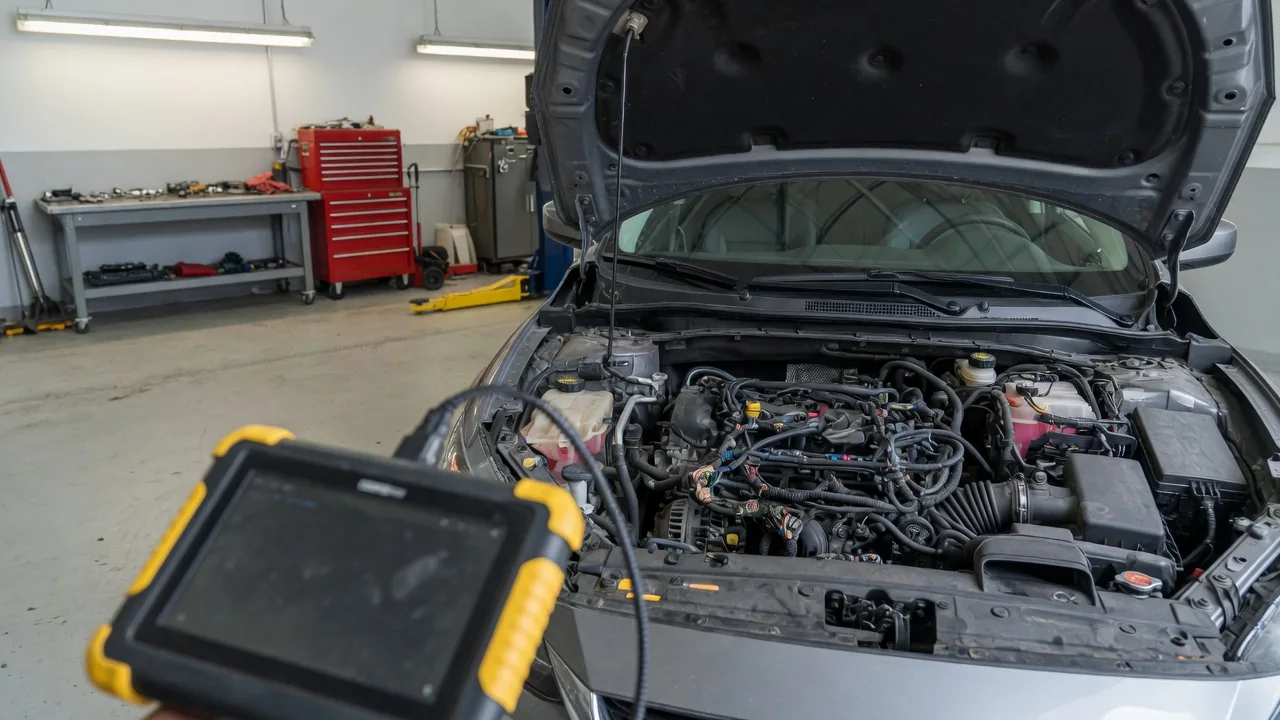
The P1298 code is a manufacturer-specific trouble code, so its meaning is not the same on every vehicle. A scan tool may show a short label, but that wording still needs confirmation from vehicle service information for the exact make, model, year, and engine. Interpreting P1298 symptoms, possible causes, and repairs starts with that definition rather than a generic part name.
Verify What P1298 Means for Your Vehicle
P1298 is manufacturer-dependent and cannot be assigned a universal component or fault definition. One brand may use this diagnostic trouble code for a circuit condition that another brand never maps to the same number. Before treating any scanner text as the final meaning, identify the vehicle’s make, model, year, engine, and the applicable service information. Those details determine which control module set the code and which system the factory procedure actually addresses.
A scanner’s brief description is a starting point, not proof that a named part has failed. Many tools display generic or incomplete labels for manufacturer-specific trouble codes, and those labels can omit important circuit or condition details. Vehicle-specific confirmation is required before parts are ordered or systems are condemned. Until that confirmation exists, P1298 should be treated as a stored diagnostic trouble code that still needs interpretation, not as a completed diagnosis.
Possible Symptoms and When to Stop Driving
P1298 symptoms depend on the verified code definition for that vehicle, so there is no single operating pattern that applies across manufacturers. A warning light may appear without an obvious change in how the vehicle starts, idles, or drives. Other times the driver notices starting difficulty, rough running, power loss, or electrical irregularities. Those observations are useful records, not a universal symptom catalog. Write down what changed, when it started, and whether the behavior is constant or intermittent.
The code alone cannot establish whether continued driving is safe. If the vehicle stalls, loses substantial power, produces smoke, overheats, or shows urgent dashboard warnings, stop in a safe location and seek assistance. Mild warning-light-only conditions still deserve prompt diagnosis, because an unresolved circuit or system fault can worsen. Until a technician confirms the vehicle-specific meaning of P1298 and reviews how the vehicle is actually behaving, treat driving decisions as a safety judgment based on observed operation, not on the number stored in memory.
Potential Causes After the Definition Is Confirmed
Once the vehicle-specific definition is confirmed, possible causes should be organized around the circuit or system that definition identifies. Wiring damage, connection faults, supply or ground problems, and component faults may all enter the diagnostic process when that wording supports them. A connector that has corrosion, a harness that has been pinched, or a control module that is not seeing an expected signal can produce the same stored code. The diagnostic trouble code describes a detected condition, not a ranked catalog of failed parts.
Fault wording does not prove the named component needs replacement. Circuit testing may show an open, short, high resistance, or missing reference that originates in wiring rather than in the part the scanner names. There is also no shared cause that can be assumed across manufacturers without vehicle-specific evidence, and no frequency ranking is reliable for P1298 as a group. Companion codes, if present, can point toward the same system or toward a related condition that must be interpreted with the same factory definition.
Safe Information to Gather Before Diagnosis
Before anything is cleared, record the complete scan report, code status, companion codes, and available freeze-frame data. Freeze-frame data captures operating conditions at the moment the diagnostic trouble code was set and can show load, temperature, or voltage context that later driving will not reproduce. Note whether P1298 is current, pending, or stored from a previous trip. Clearing memory too early can erase that evidence and make an intermittent fault harder to recapture during later testing.
Also record when the warning appeared, whether the problem is intermittent, and any recent repairs or battery-related events, without assuming those events caused the code. Owner checks should stay limited to safe observations with the vehicle parked and off, such as looking for visible harness damage or loose-looking connections in accessible areas. An absence of visible damage does not rule out an electrical or internal component fault. Hidden corrosion, broken conductors inside insulation, or a failing sensor or actuator can still set P1298.
What Professional Testing Should Establish
A technician should follow the diagnostic procedure published for the confirmed vehicle-specific P1298 definition rather than substituting a generic flowchart. Relevant live data, wiring information, and electrical measurements help establish whether the fault is in a harness, a connection, a power or ground path, or a component. Those measurements belong in a controlled shop process. They are not a reason to probe, bypass, or work on energized circuits without the training and equipment the factory procedure assumes.
Companion codes and intermittent operating conditions can change the testing sequence. A related code may identify the same circuit from another module, or it may show a condition that must be resolved before P1298 can be evaluated fairly. Intermittent faults may require duplicated operating conditions rather than a single key-on snapshot. Professional diagnosis is the right next step when the meaning remains uncertain, symptoms affect safe operation, or circuit testing requires specialized equipment that a typical owner scan tool cannot provide.
Repair the Confirmed Fault and Verify the Result
Repairs should follow test findings rather than the scanner label. If circuit testing locates a damaged connection or wiring fault, that path is repaired. If a component is confirmed defective under the vehicle service information criteria, that component is replaced. Clearing P1298 or disconnecting the battery does not repair the cause and may remove freeze-frame data and companion-code history that still matter. A reset can make the warning light go out briefly while the original condition remains.
After the confirmed fault is corrected, verification must follow the applicable service procedure. That typically includes checking whether P1298 returns, confirming related code status, and determining whether the original symptoms return under comparable operating conditions. Repair scope and cost depend on the vehicle, the confirmed fault, and access requirements, so there is no fixed price or guaranteed fix for this diagnostic trouble code. A wiring repair in an accessible harness is a different job from replacing a component that requires substantial disassembly.