P1297 Code: What It Means, Symptoms, Causes and Diagnosis
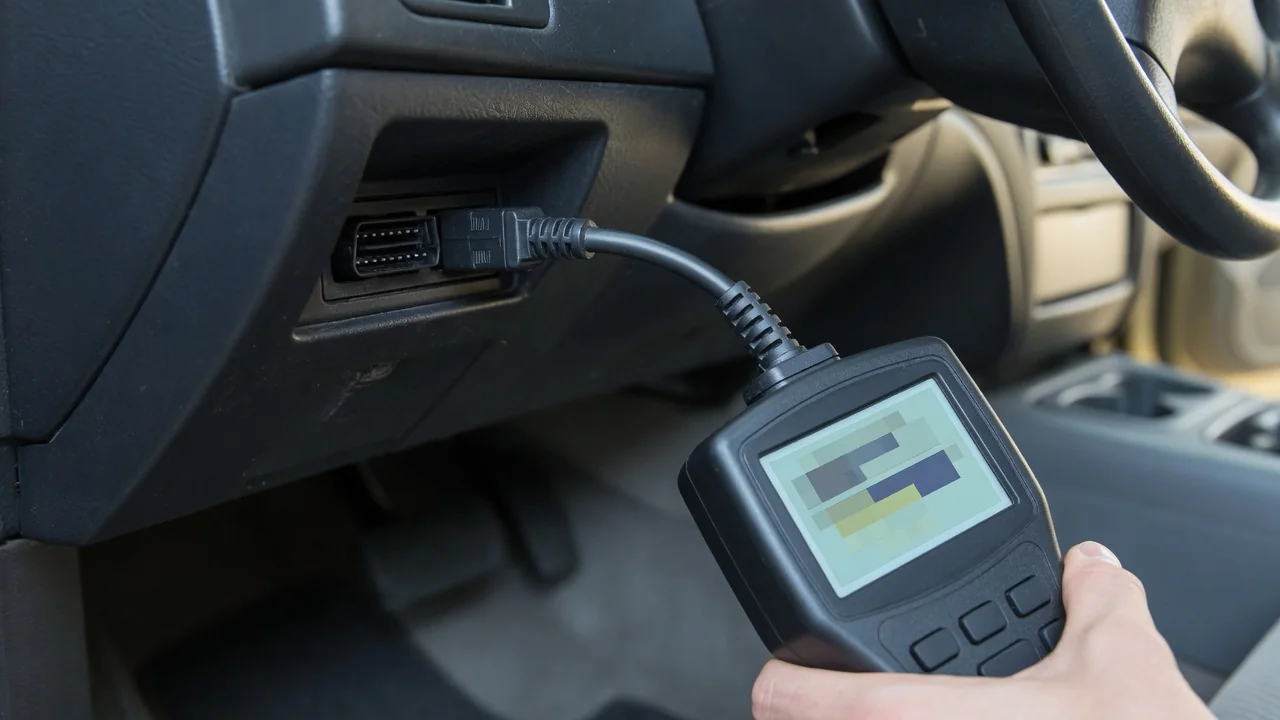
A P1297 code can leave drivers uncertain because it does not point to a single fault across all vehicles. Unlike generic OBD-II codes, this manufacturer-specific diagnostic trouble code gets its meaning from the make and model that stored it. The check engine light may be steady or intermittent, and drivability changes can range from subtle to severe. Understanding how the engine control module sets the code, why the definition varies, and how to gather solid evidence through a scan tool and freeze frame data is the first step toward an accurate diagnosis.
What the P1297 Code Means and Why Its Definition Varies by Manufacturer
P1297 belongs to the P1xxx range, which automakers reserve for enhanced code definitions that apply only to their own systems. A generic code reader may display vague text or nothing useful because the same number can mean different things depending on the vehicle. On one brand it could relate to a sensor circuit, while on another it might describe an injector control issue or an electrical load problem. Before you interpret the code or order any parts, you need the exact definition from factory information for your specific model and year.
The engine control module continuously monitors inputs and compares them to expected operating ranges. When a reading falls outside what the software considers normal for a set period, the ECM stores a trouble code and may illuminate the check engine light. The condition that causes P1297 can be an electrical value that is too high or too low, a signal that is absent, or a performance rationality check that does not match expected behavior. However, the stored code only identifies the circuit or system that failed the test; it does not prove that a particular sensor or component is defective.
How to Confirm the P1297 Definition for Your Exact Make, Model and Year
Start by using an OBD-II scan tool that can display manufacturer-enhanced definitions, not just the generic code number. Some professional-grade tools include a brief vehicle-specific description, while factory-level diagnostic software offers the most detailed text. If your scanner shows only “manufacturer control” or a generic label, check the service manual for your exact make, model, year, and engine. A dealer parts or service department can also look up the code tied to your VIN, which removes any guesswork about whether P1297 relates to fuel, ignition, emissions, or body electronics on your vehicle.
When the code is stored, record the freeze frame data that the scan tool provides. This snapshot shows engine rpm, coolant temperature, vehicle speed, and other values at the moment the fault was detected. Also note whether P1297 is a pending code, a current code, or a history code. Pending means the condition was seen once but not yet confirmed; current means it is active now; history means it occurred in the past. Any other codes stored at the same time are important, because a companion code can identify which shared circuit or subsystem the P1297 code points to and prevent a misdiagnosis.
Symptoms Drivers May Notice When P1297 Is Stored
Because P1297 has no universal meaning, the symptoms a driver notices depend entirely on the system assigned to that code in a specific vehicle. One model may store it for a boost control circuit and show reduced power under acceleration, while another may use it for a cooling fan input and show no change in engine operation at all. There is no single symptom list that applies to every car or truck. The check engine light is the most common display, but sometimes additional warning lamps appear, such as a traction control or battery light, depending on the network that reports the fault.
Pay attention to when the symptom occurs, because that pattern helps a technician narrow the diagnosis. Rough running at idle can point to a different input than a hesitation that appears only under load or at highway speed. If the symptom worsens when electrical accessories are switched on, such as the headlights, heater blower, or rear defroster, a shared power or ground circuit may be involved. Some vehicles store P1297 with no drivability change, and the only clue is an illuminated light. Write down the conditions, including engine temperature and weather, because intermittent faults often have a trigger that is not obvious during a short test drive.
Possible Causes and Why They Depend on the Confirmed Definition
You cannot logically choose a likely cause until you confirm the manufacturer's definition for your exact vehicle. Once you know which system P1297 monitors, the possible causes fall into broad categories. Any stored trouble code can result from a failing sensor, a break or short in the wiring harness, a loose or corroded connector, a vacuum leak or disconnected hose, or a problem inside the control module itself. The code only tells you which circuit was out of range; it does not tell you which component in that circuit is responsible.
A common mistake is to see a code that names a sensor, such as a manifold absolute pressure sensor circuit, and immediately replace that sensor. The wiring and connector between the sensor and the ECM are often where a problem develops, especially if the harness passes near heat, vibration, or sharp metal edges. Corrosion inside a connector can create resistance that changes the voltage the ECM sees, producing the same out-of-range reading as a failed sensor. Before spending money on parts, basic checks of the wiring, connector terminals, and ground points can reveal a repair that costs only cleaning or a splice rather than a new component.
Safe Visual Checks You Can Make Before Visiting a Shop
With the engine off and cool, you can perform several safe observations once you know which area the code relates to. Look for connectors that are not fully seated, have broken locking tabs, or show green or white corrosion on the terminals. Inspect vacuum hoses and intake ducts for cracks, splits, or soft spots that could cause an air leak. Wiring that runs near a hot exhaust manifold or around a sharp bracket can have melted insulation or visible copper strands. A chafed wire can touch ground intermittently and set a code only when the engine moves on its mounts. These are simple checks, but they must stay visual.
Battery condition matters for many sensors because a low or unstable supply voltage can push a signal outside the expected range. Check that the battery terminals are clean and tight, and look for any obvious corrosion on main ground cables. After a visual inspection, you may clear the code with a scan tool and drive the vehicle to see if it returns. This gives information about whether the fault is active or intermittent, but clearing the code does not fix anything. If P1297 comes back quickly, the condition is still present. Keep in mind that visual checks cannot confirm sensor accuracy, internal circuit damage, or module faults, and you should not pierce wires or probe live circuits without proper equipment and procedures.
When P1297 Needs Professional Testing and How a Fix Is Confirmed
If P1297 returns after a basic check, or if the vehicle has a drivability problem that affects safety, consult a professional. Multiple related codes stored together, a code that resets immediately after clearing, or no visible fault after a thorough inspection are all signs that the issue requires more than a visual check. A technician with access to the manufacturer's diagnostic information can compare live data to expected values during different engine conditions. This helps isolate whether the problem is the sensor, the wiring, the connector, or an input from another module on the same data network.
Replacing parts without testing often leads to wasted money because the original fault may remain. A sensor can be new but still read incorrectly if the reference voltage or ground is missing due to a wiring issue. After a repair, the correct way to confirm the fix is to clear the code, perform the drive cycle required for that monitor to run, and check that P1297 does not return. A drive cycle typically includes cold start, warm-up, steady cruise, and idle periods, but the exact procedure is vehicle-specific. Before spending on repairs, it is also worth asking a dealer to check for manufacturer service bulletins related to your code, because a bulletin may describe an updated part or a known wiring routing problem that matches your symptoms.