P1296 Code: Meaning, Causes and How to Fix It
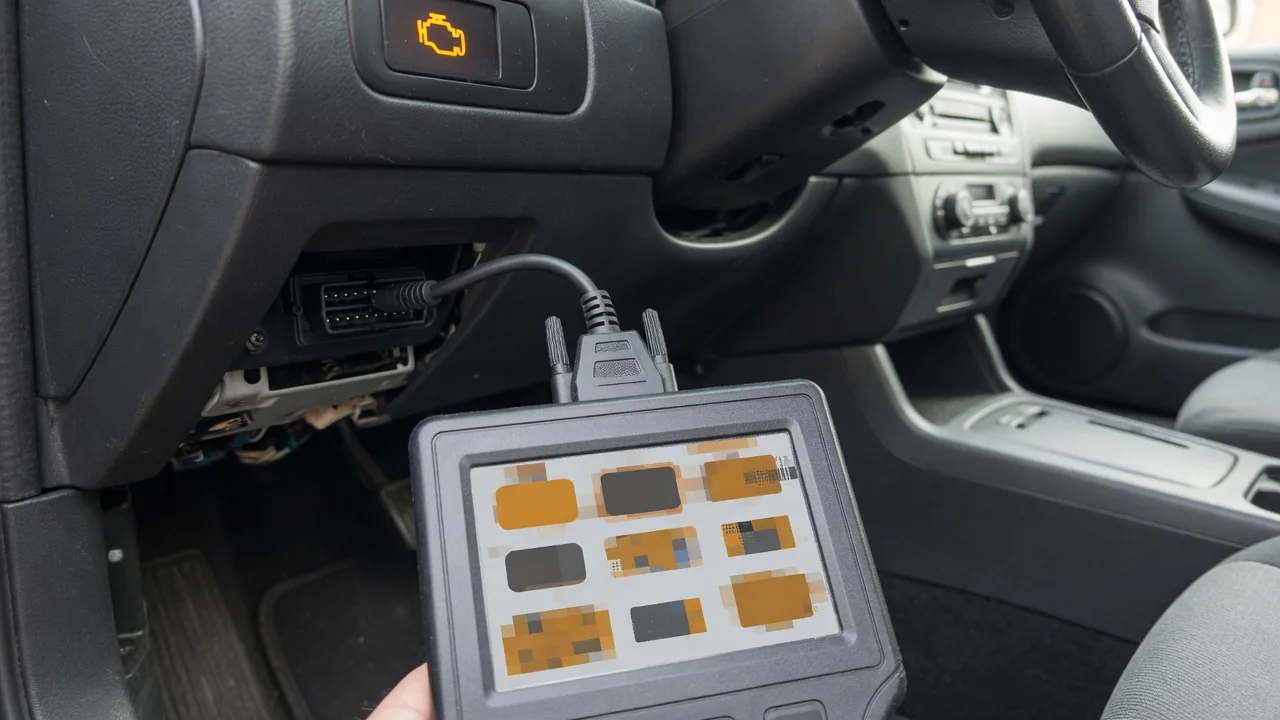
A P1296 code is a manufacturer-specific diagnostic trouble code (DTC) that triggers your check engine light, but its meaning isn’t universal. Because P1xxx codes are set aside for carmakers, the same number can point to different faults on different brands, models, years, and engines. Before you search for a generic p1296 definition, you need the exact code description from a scan tool and supporting freeze frame data. Understanding what this code means for your particular vehicle is the first step toward an accurate diagnosis and a proper fix.
What P1296 Means and Why the Definition Depends on the Manufacturer
P1296 falls into the P1xxx range, which the OBD-II standard reserves for manufacturer-specific codes. Unlike generic P0xxx codes that follow a common list, each automaker assigns its own meaning within this range. That means a P1296 on one vehicle might relate to a cooling system sensor, while on another it could involve a fuel pressure circuit or an entirely different system. There is no single universal definition, so the exact fault can only be understood by checking the code description for your specific make, model, year, and engine.
To interpret P1296 correctly, use a scan tool that reads manufacturer codes, a factory service source, or a dealer’s information system. The description shown by the tool—often a phrase like “Engine Coolant Temperature Sensor Circuit Low Input”—is essential before any diagnosis begins. Relying on a generic online definition that might belong to a different brand or engine family can send you down the wrong path. The full code text and freeze frame data captured when the fault occurred are the real starting points for an accurate repair.
How to Read a P1296 Code Correctly with a Scan Tool
Basic generic OBD-II readers often display only the code number and a brief generic description that may be misleading for P1xxx codes. A professional-grade scan tool or a manufacturer-specific diagnostic interface shows the actual code text assigned by the vehicle’s maker. Before reading the code, connect the tool properly and turn the ignition to the run position, but do not start the engine unless the tool instructs otherwise. The exact wording of the code is what tells you which system to investigate.
When the P1296 code appears, carefully record all freeze frame data—engine temperature, load, RPM, vehicle speed, and other parameters captured at the moment the fault was set. Note whether the code is pending, confirmed, or history. A pending code means the condition has been detected once but not yet verified; a confirmed code has occurred enough times to turn on the check engine light; a history code indicates a past fault that may still be intermittent. Also write down any other stored codes, because related codes often narrow down the affected system. Never clear the code before saving this information, because doing so erases critical diagnostic clues.
Symptoms Drivers May Notice with a P1296 Code
Symptoms for a P1296 code vary widely because the monitored system depends on the manufacturer’s definition. The most obvious sign is an illuminated check engine light, but drivability may remain normal in many cases. Some vehicles might exhibit a rough or unstable idle, a change in acceleration response, reduced fuel economy, or abnormal temperature gauge readings. However, you cannot assume a particular symptom from the code number alone; the confirmed description tells you what to watch for.
In many instances, a P1296 code causes no noticeable change in how the car runs, and the warning light is the only clue. But certain conditions demand immediate attention. If the check engine light is flashing, the engine is overheating, the vehicle stalls, or a warning message appears indicating reduced power, you should not continue driving. These signs point to a potentially serious issue that could damage the engine or other components. In such cases, stop safely and arrange for inspection.
Common Categories of Causes Behind P1296
Once you have confirmed the exact definition of P1296 for your vehicle, you can consider the general categories of causes. Sensor faults are often involved—the sensor itself may fail internally, drift out of specification, or send a signal that is out of the expected range. Wiring and connector problems are another common source: damaged insulation, corrosion, loose terminals, or chafed wires can interrupt or alter the signal. Finally, the component or system being monitored may have a genuine malfunction, such as a stuck valve, a blocked passage, or a failed actuator.
Low battery voltage or charging system problems can sometimes set misleading manufacturer-specific circuit codes like P1296. If the system voltage drops too low during cranking or while running, sensors may report implausible values. Control module software issues or internal module faults are possible but less likely; they should only be considered after the basics—sensors, wiring, connectors, and power supply—have been thoroughly checked. Do not assume that replacing a part will fix the code; proper diagnosis is required.
Safe Checks You Can Do Before Visiting a Shop
Before visiting a shop, you can perform a few safe visual checks with the engine off and cool. Look for obvious wiring damage such as cracked insulation, pinched harnesses, or disconnected plugs in the area related to the confirmed code definition. Check relevant fluid levels—coolant, oil, or other fluids—only if they are connected to the monitored system and if the vehicle has cooled down completely. Also note any other warning lights on the dash and pay attention to when the fault appears: during cold starts, at highway speed, or after idling.
You can also check whether the manufacturer has issued a technical service bulletin or software update for the P1296 code on your specific vehicle. A dealer or official service information source can tell you if there is a known fix. However, remember that a visual check cannot confirm a failed sensor or circuit. A sensor may look perfect yet still be out of specification. Avoid hazardous steps such as opening a hot cooling system, working near moving engine parts, or probing high-current circuits. Leave those tasks to a professional.
How Professionals Diagnose and Fix a P1296 Fault
A professional technician begins by retrieving the code and all freeze frame data, then follows the manufacturer’s diagnostic procedure for the confirmed definition of P1296. This procedure is a step-by-step tree that starts with simple checks and progresses to more complex tests. The technician may review live data on a scan tool to see real-time sensor values, check circuit integrity with a digital multimeter, and test the suspected component according to specifications. Comparing these readings to known good values helps isolate the fault.
Replacing parts based solely on the code number often wastes money, because the code only points to a circuit or system, not a specific failed component. After the root cause is found, the repair might involve fixing damaged wiring, cleaning or replacing a connector, replacing a confirmed faulty sensor or component, or updating the engine control module software. Once the repair is complete, the technician clears the code and completes a drive cycle—a specific set of driving conditions—to verify that the fault does not return and that the vehicle’s monitors run successfully.
Can You Keep Driving with P1296 and What Happens If You Ignore It
Whether you can keep driving with a P1296 code depends on the confirmed definition and the symptoms you are experiencing. If the vehicle runs normally and the check engine light is steady, you may be able to drive cautiously to a shop for diagnosis, but you should not delay. However, certain warning signs require immediate action: a flashing check engine light, overheating, stalling, loss of power, or a message about reduced performance. In those cases, stop safely and arrange for a tow or roadside inspection.
Ignoring a P1296 code can lead to consequences beyond a failed emissions inspection. Depending on the underlying fault, you might experience reduced fuel economy, poor performance, or damage to related components such as the catalytic converter if the engine runs too rich or too lean. Repeatedly clearing the code without fixing the problem will not solve anything and may make diagnosis harder later. The best course is to get a proper diagnosis soon, before the issue worsens or becomes more expensive to repair.