P1294 Code: Vehicle-Specific Meaning, Diagnosis and Repairs
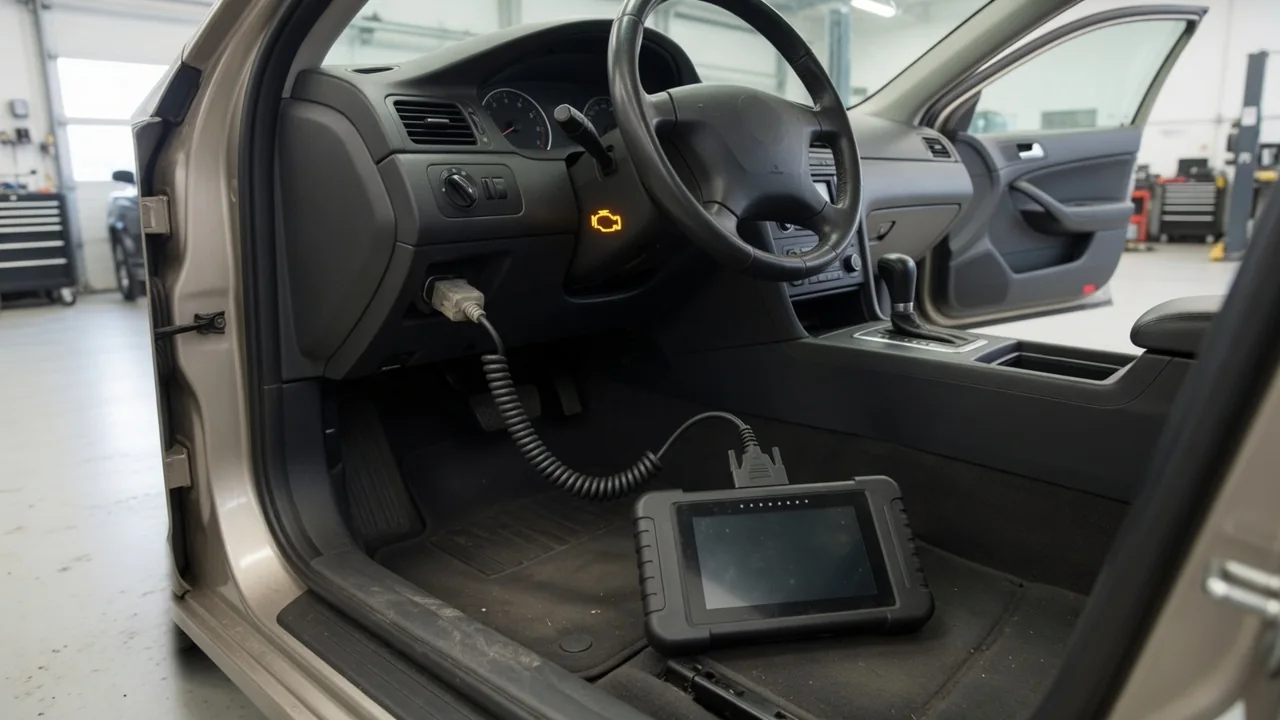
A P1294 code can be confusing because it does not have one universal meaning across all vehicles. For some applications, it points to an idle speed control problem, while for others it relates to an entirely different system. A generic OBD-II scan tool often shows only a short definition, which can mislead diagnosis. You need the vehicle-specific meaning for your make, model, year, and engine before interpreting symptoms or planning repairs. This article explains how to verify the code, recognize warning signs, investigate likely causes, and confirm a successful fix.
Verify What P1294 Means for Your Vehicle
P1294 is a manufacturer-specific trouble code, so its definition changes depending on the vehicle. On some Chrysler or Jeep applications, it may mean the engine did not reach target idle speed with the idle air control motor fully extended. On other brands, the same number can refer to an injector control pressure fault or a generator system issue. Applying the wrong definition wastes diagnostic time and leads to unnecessary parts replacement. Always consult factory service information or a qualified technician who can look up the exact criteria for your vehicle.
A code description from a generic scan tool is only a starting point. Even when the tool says 'idle air control,' the vehicle may use an electronic throttle body with no separate idle valve. The code indicates that a monitored condition fell outside an expected range, not that a specific component failed. For example, a vacuum leak can produce the same symptom as a sticking throttle plate. Pinpointing the true cause requires understanding the control strategy and testing inputs and outputs before condemning any part.
Symptoms to Record and When to Stop Driving
If your vehicle's P1294 definition concerns idle control, you may notice the engine idling too high, too low, or surging. It might stall when you come to a stop or when the air conditioning cycles on. Some drivers feel a rough idle when the transmission is in drive or reverse. In other cases, the only sign is an illuminated check engine light. Because symptoms can overlap with many other faults, they do not prove the P1294 meaning. Record exactly what you observe without trying to force the engine to misbehave.
Pay attention to when symptoms occur. Does the idle problem appear only when the engine is cold, after it warms up, or when electrical loads like headlights or the heater blower are turned on? Note whether the idle speed hunts up and down or stays steady at an incorrect level. Do not intentionally create unsafe conditions, such as holding the throttle in a way that causes repeated stalling in traffic. If the engine stalls repeatedly, the vehicle is hard to control, or the check engine light flashes with severe misfire, pull over safely and seek professional help.
Possible Causes After an Idle-Control Definition Is Confirmed
Once you have confirmed that P1294 on your vehicle relates to idle speed not reaching a target, several mechanical and electrical possibilities emerge. An intake air leak after the mass airflow sensor or throttle body allows unmetered air to enter. A cracked vacuum hose, loose intake boot, or leaking gasket can upset the idle control system. Even a disconnected line to the brake booster or PCV valve can cause a fast or unsteady idle. The engine computer tries to adjust, but the leak may exceed its correction range.
Deposits inside the throttle bore or around an idle air control passage can restrict airflow and cause a low idle or stalling. On vehicles with an electronic throttle body, carbon build-up on the throttle plate can affect the commanded angle at small openings. The idle speed control actuator, its circuit, or the engine control module's driver can also cause problems. Inaccurate sensor readings from the throttle position sensor, coolant temperature sensor, or manifold absolute pressure sensor can mislead the PCM. Other codes set alongside P1294 often point to the root cause.
Diagnostic Checks That Narrow Down a P1294 Code
Before clearing anything, record all stored and pending codes along with freeze-frame data and the exact scanner description. Freeze-frame shows engine speed, coolant temperature, vehicle speed, and fuel trims at the moment the fault set. Pending codes can reveal an intermittent problem that has not yet matured. Write down which codes return together, because a pattern often narrows the search. Do not erase the data simply to see if the light comes back; once cleared, the evidence is gone. A technician uses that snapshot to recreate the operating conditions.
Start with an engine-off visual inspection when the engine is cool. Look for disconnected or cracked intake hoses, especially between the air filter and throttle body. Inspect accessible vacuum lines for splits or being pulled off their fittings. Check wiring connectors to throttle and idle components for loose or corroded terminals. Do not touch hot surfaces or moving parts. A technician uses the confirmed manufacturer definition, related codes, and the freeze-frame conditions to choose the right service information procedure. For idle-control applications, professionals may command an idle test, check intake integrity with a smoke machine, and monitor actuator operation and electrical signals.
Repairs Should Follow the Confirmed Fault
Repairs should follow the confirmed fault, not a guess based on the code name. If testing shows a vacuum leak, replacing the cracked hose or intake gasket is the correct repair. A broken wire or corroded connector may need a professional splice or terminal replacement. Only after electrical and mechanical tests prove an issue with the throttle body or idle air control component should it be replaced. On vehicles with an electronic throttle, the part may require programming or an adaptation procedure after installation.
If your vehicle uses a completely different P1294 definition—such as for a fuel injection pump control circuit or generator field terminal—the repair path changes entirely. Follow the service manual diagnostic chart for that system. Do not replace parts simply because their names appear in the generic code description. Disconnecting the battery to clear the code only hides a real problem and erases adaptive memory. After any repair, the technician should perform the manufacturer's verification drive cycle and confirm the monitor runs and passes before returning the vehicle.
Confirm the Repair and Handle a Returning Code
A successful repair requires more than a dark check engine light. The engine should idle smoothly at the correct speed under various conditions, and all related readiness monitors should complete. A technician should rescan for codes after the verification procedure and confirm that P1294 and any related codes have not returned. If the code comes back, the original fault data was lost, but the new occurrence provides fresh freeze-frame information. Comparing old and new freeze-frame can show whether the engine conditions were similar or different.
If the P1294 returns, bring your vehicle back with as much information as possible. Note the vehicle identification number, symptoms, recent work, and the conditions when the fault appeared. Include any scan tool results you saved. Tell the technician whether the idle problem occurs cold, hot, with accessories on, or only after driving. This information helps them reassess the original findings and look for a secondary fault. A returning code is not necessarily a failed repair; it may indicate an intermittent issue that requires monitoring over time.