P1293 Code: What It Means, Symptoms, Causes and Diagnosis
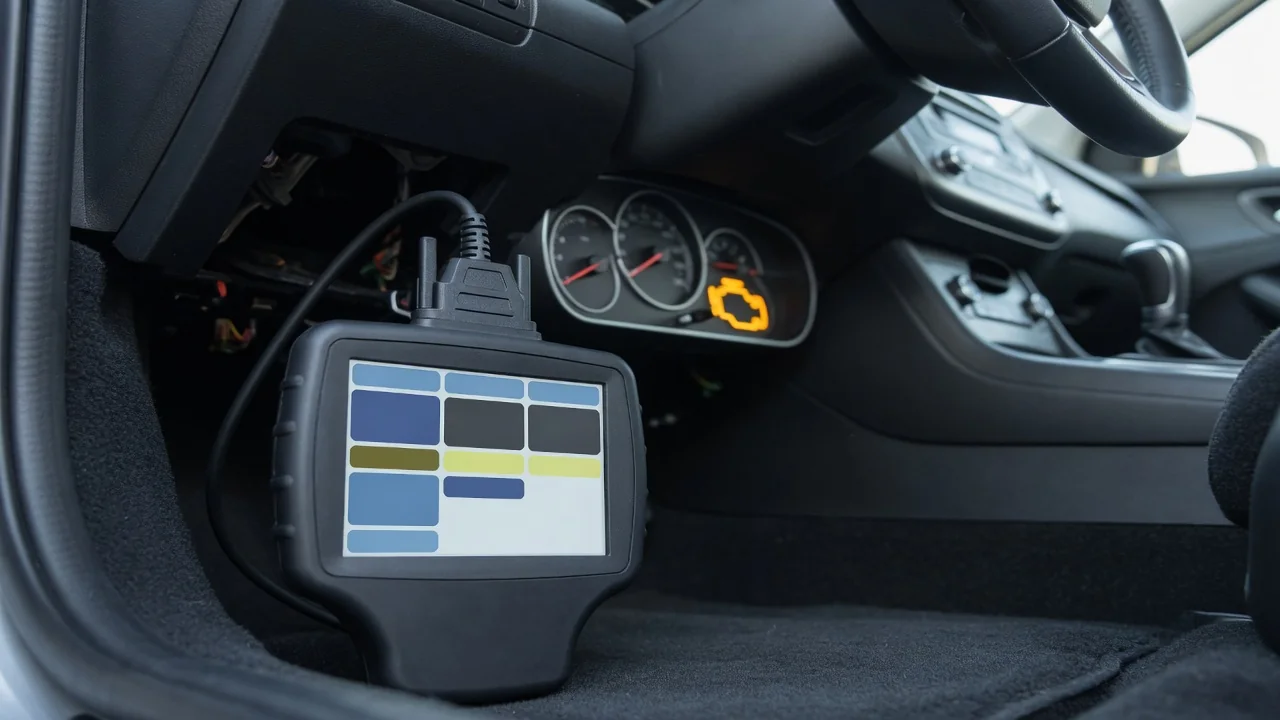
A P1293 code can be frustrating because it does not point to one simple failure across all vehicles. This manufacturer-specific trouble code means the definition changes depending on your make, model, year, and engine. The check engine light might appear along with drivability symptoms, or the vehicle may seem normal. To avoid wasted repairs, start by confirming the exact trouble code meaning with an enhanced scan tool or factory service information. Then follow a logical diagnostic process before replacing any parts. This article explains how to read the code, recognize symptoms, consider causes, and verify a repair.
What P1293 Means and Why the Definition Depends on Your Vehicle
P1293 belongs to the P1xxx range of powertrain codes, which manufacturers reserve for vehicle-specific faults. Unlike generic P0 codes such as P0300 for a random misfire, P1293 has no single universal definition. For example, one brand may use it for a fuel pressure sensor circuit issue, while another defines it as an injector control module problem. Online code databases often present conflicting meanings, and applying the wrong one can send you down an expensive path of guessing and needless part replacement.
Because the code's meaning depends on the vehicle, you must look up the exact definition for your make, model, year, and engine. A professional-grade OBD-II scan tool with enhanced diagnostics can often display the manufacturer-specific wording, but factory service information or a dealer database is the most reliable source. Once you confirm what the code actually monitors, you can inspect the correct wiring harness, sensor, or actuator. Treat P1293 as a starting point for diagnosis, not a verdict about a failed component.
Reading the Code Correctly: Freeze Frame, Status and Related Codes
When you first scan the vehicle, note whether the code appears as pending, confirmed, or history. A pending code means the fault was detected once but the conditions have not repeated yet. A confirmed code indicates the problem has occurred enough times or in the right conditions to turn on the check engine light. A history code suggests the issue happened previously but is not active now. This status helps you judge how urgent the fault may be and whether it is intermittent.
Freeze frame data is crucial because it shows a snapshot of engine operating conditions when the code set. Values like engine temperature, RPM, load, and short-term fuel trim can reveal whether the problem occurs only when cold, under heavy throttle, or at idle. Also record any other stored codes, because a related generic P0 code may point to a shared sensor circuit or control module. Before clearing anything, write down every code and freeze frame screen, since clearing erases the evidence a technician needs for an accurate diagnosis.
Symptoms Drivers May Notice With P1293
Symptoms associated with P1293 vary widely because the code's meaning changes by manufacturer. Some drivers notice only a steady check engine light with no change in how the vehicle runs. Others report a rough idle, hesitation during acceleration, stalling at stop signs, reduced power, or poor fuel economy. In some cases, the warning light may come and go, which often points to a wiring or connector issue that is sensitive to temperature or vibration. Keep a note of when the light appears and how the vehicle behaves at that moment.
A flashing check engine light is a serious warning that indicates a misfire severe enough to damage the catalytic converter. Likewise, an overheating warning or a loss of oil pressure light means you should stop driving and seek service promptly. Do not continue to operate the vehicle if it stalls in traffic or loses power unpredictably. Even when symptoms seem minor, remember that they cannot identify the root cause by themselves. They only help guide the next diagnostic step after you confirm the exact vehicle-specific definition of P1293.
Possible Cause Categories to Consider After Verifying the Definition
After verifying the definition for your vehicle, you can group possible causes into broad categories. The code may be triggered by a sensor or switch reporting a value outside the expected range, such as a voltage that is too high or too low. Wiring harness damage, connector corrosion, or a loose terminal can create an intermittent open or short in the sensor circuit. A failed actuator, like a solenoid or motor that the control module commands, may also set the code if it does not respond correctly.
In some cases, the control module itself may have a software fault or a calibration error. Recent repair work, such as a timing belt job or intake manifold removal, can disturb a connector or pinch a wire and cause a manufacturer-specific code. Corrosion is more common in areas where road salt is used or where connectors are exposed to moisture. Do not assume that one cause is more likely than another just because an Internet forum mentions it for a similar vehicle. The only way to know is testing the specific circuit or component that the code definition points to.
Safe Checks a Driver Can Do Before Visiting a Shop
Before taking the vehicle to a shop, you can perform safe visual checks with the engine off and the key out of the ignition. Once you know which system the code relates to, look for disconnected wiring harness connectors, chafed insulation, or greenish corrosion on terminals. Pay attention to areas where the harness bends or passes near hot or moving parts. You may find a connector that was not fully seated after a recent service, which can save time and money.
Also check fluid levels and look for obvious leaks as general context, but do not disassemble components or probe electrical connectors with the battery connected. Note when the light appears: during cold starts, after the engine warms up, on the highway, or right after refueling. This pattern can help a technician reproduce the fault. Avoid the temptation to replace a sensor or actuator based on the code number alone. Guessing often leads to new parts that do not fix the problem and may introduce new faults.
When Professional Testing Is Needed and What a Technician Does
Confirming the root cause of a manufacturer-specific code like P1293 usually requires more than a basic scan tool. A technician will use a professional scan tool to view live data from the suspect sensor or actuator while operating the vehicle under conditions that set the code. They may perform wiring continuity and voltage checks, test the component's response to commands, and verify that the control module communicates properly on the network. Factory pinpoint tests from service information guide this process step by step.
You should seek professional diagnosis if the code returns after you clear it, if symptoms worsen, or if the vehicle is still under warranty. Attempting advanced electrical tests without the correct information can damage sensitive electronics. When you visit a shop, ask them to confirm the exact manufacturer-specific code definition for your vehicle and explain which test results led them to a conclusion before you approve any repairs. A reputable technician will be willing to show you the data and walk through the reasoning.
Fixing P1293 and Confirming the Repair Worked
The correct repair for P1293 follows directly from the verified definition and the test findings. If a wire is chafed or a connector is corroded, the fix may be as straightforward as a proper repair and sealing. If a sensor or actuator fails a functional test, replacing it with a quality part is the likely solution. In cases where the control module software is outdated, a dealer can check for an available update or a technical service bulletin. Do not approve a repair that is not supported by the diagnosis.
After the repair, the technician will clear the code and perform a drive cycle to run the required readiness monitors. The check engine light should stay off, but it may take several drive cycles for all monitors to complete and the vehicle to be ready for an emissions test. If the code returns immediately or after a short time, the original fault may not be fully fixed, or there may be a second contributing issue. A repeat visit for further diagnosis is then necessary, rather than another guess.