P1289 Code: Meaning, Symptoms, Causes and Fixes
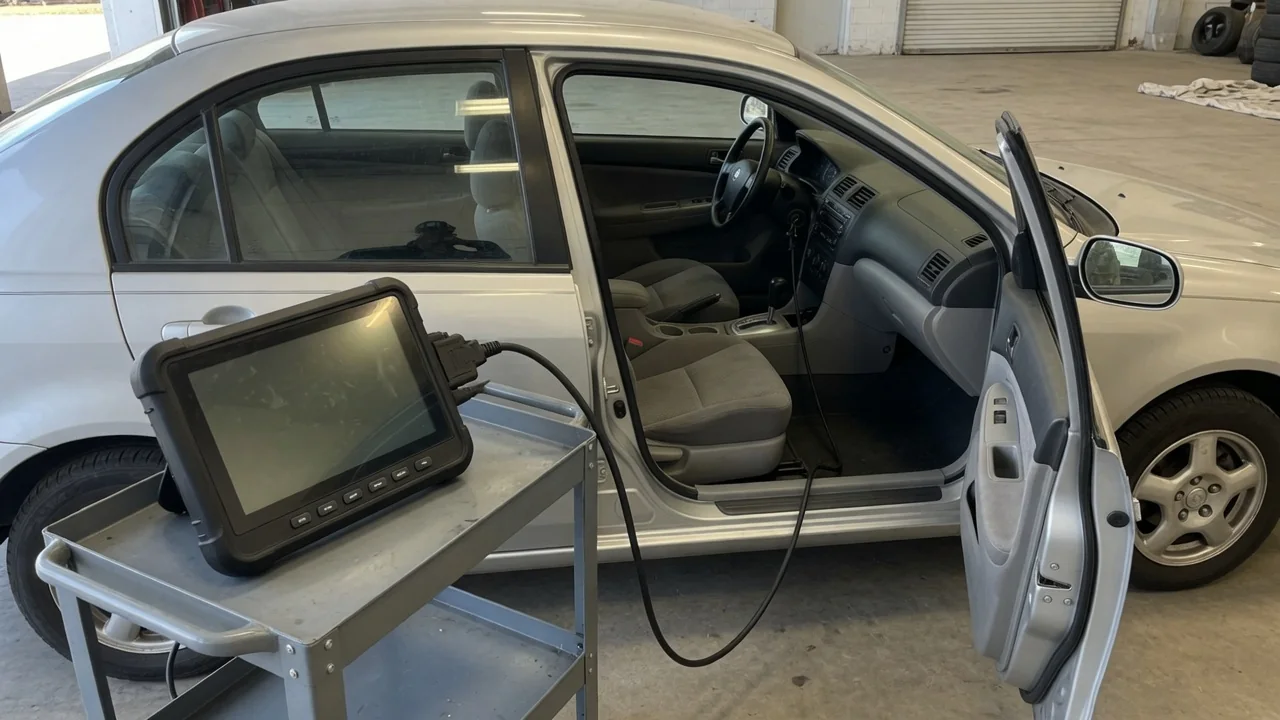
P1289 is a manufacturer-specific diagnostic trouble code, so the same stored number can describe different monitored circuits or conditions depending on the vehicle. A scanner may display a brief label, yet that generic text is not enough to name the circuit or operating limit involved. Confirm the year, make, model, engine, and service information first. Only then can symptoms, causes, diagnostic testing, and repair verification match how P1289 actually sets.
Verify What P1289 Means for Your Vehicle
P1289 is a manufacturer-specific trouble code, not a single shared OBD-II definition. Before interpreting it, confirm the vehicle's year, make, model, engine, and the service information written for that powertrain. The same stored identifier can refer to different monitored circuits or conditions from one brand to another, and sometimes from one engine family to another. Starting from an unverified label risks inspecting the wrong sensor circuit. Matching the application first keeps later diagnostic testing aligned with how the control module actually sets P1289.
A scanner's generic description often names a broad category without identifying the exact circuit, threshold, or operating strategy the module used. That short text can omit whether the code flags a high signal, an open circuit, a range or performance concern, or another manufacturer-defined condition. Any explanation of P1289 should state the vehicle application it applies to and separate the setting condition, what the module measured or failed to measure, from the underlying fault that produced it. The stored code is evidence of a detected condition, not proof that a particular part has already failed.
Possible Symptoms and Signs That Need Prompt Attention
P1289 symptoms depend on the confirmed definition for that vehicle, not on the code number by itself. After the application is verified, the check engine light, a related temperature or warning lamp, unusual gauge behavior, or a change in drivability may appear, or the vehicle may seem normal while the code is stored. Those possibilities are not interchangeable across brands. Until the monitored circuit or condition is identified, the code cannot establish which signs will occur or how urgent they are.
Where the confirmed application involves engine temperature or a related operating limit, a severe temperature warning, visible steam, stalling, or a substantial loss of power is a reason to stop safely and arrange professional assistance rather than continue driving to gather more data. Those signs still do not identify the failed part. Conversely, a normal dashboard reading does not independently rule out a fault, because a sensor-circuit problem can report a plausible value while freeze-frame data and the stored P1289 still show that the module detected an abnormal condition.
Potential Causes Behind the Confirmed Code Definition
Possible causes should be organized around the verified diagnostic criteria, not around a single failure assumed to be common on every vehicle that stores P1289. When the confirmed application is a sensor circuit, the detected condition may come from the sensor itself, a connector that has corrosion, spread terminals, or poor seating, damaged wiring, or a problem with circuit supply or ground. Those electrical paths can produce the same stored code as an internal sensor fault. Ranking one of them as the usual cause without vehicle-specific evidence overstates what the code can show.
When the applicable diagnostic procedure supports the distinction, an electrical signal fault is not the same as a genuine abnormal operating condition. A circuit that is open, shorted, or out of range can set P1289 even though the physical system the sensor watches is within normal limits. The reverse can also occur if the procedure monitors an actual operating parameter rather than only the signal path. A code that names a sensor still does not prove that sensor needs replacement; the name identifies what was monitored, not which part failed.
Safe Information to Collect Before Diagnosis
Before clearing anything, record all stored and pending diagnostic trouble codes, their status as current or history, and any freeze-frame data captured when P1289 set. Note when the check engine light or related warning appeared, the operating conditions at that time, recent repairs or battery work, and any accompanying symptoms. Freeze-frame snapshots of engine speed, load, related temperature readings, and warm-up status can later help a technician reproduce the concern. Clearing the memory first removes that context and can make an intermittent circuit problem harder to confirm.
Owner observations should stay limited to accessible areas with the vehicle parked and the engine off. Do not open a hot cooling system, reach near moving fans, or handle components that may still be at operating temperature. Visible connector damage, disturbed wiring after recent work, or fluid residue around a sensor housing can be useful notes for a technician, yet those observations cannot confirm an internal component or circuit failure. They only help recreate the conditions under which P1289 set and guide later wiring inspection and diagnostic testing.
Professional Tests That Establish the Cause
A technician should follow the diagnostic procedure written for the exact vehicle and the confirmed P1289 definition, not a generic flowchart borrowed from another brand. Related codes, pending status, and relevant live data need review for plausibility under the test conditions specified in that procedure. A reading that looks reasonable at idle may still be inconsistent during warm-up, under load, or compared with a related sensor. Those comparisons help decide whether the concern behaves like a circuit problem, an implausible signal, or an operating condition that the module is actually measuring.
At a high level, isolating the fault usually means checking circuit integrity, connector condition, and how the component responds when the specified tests are applied. Wiring inspection can reveal chafe, heat damage, or poor terminal contact without substituting guesswork for those checks. Component response testing then shows whether the sensor or related device can produce a change the module expects. Control-module diagnosis should be reserved for cases in which completed circuit testing and application-specific evidence already point away from the harness, connectors, and the monitored component.
Repair the Verified Fault and Confirm the Result
Repair options should follow the test findings rather than the code title. A confirmed connector or wiring defect is corrected at that location; a component that failed its specified tests may be replaced; a verified operating problem is addressed as the procedure directs. Parts must be selected for the exact vehicle, and any prescribed setup, calibration, or relearn steps in the service information should be completed. Compatibility should not be assumed from a shared code number or from a similar description on a different engine family.
Clearing P1289 by itself does not establish a successful repair. After the work is complete, code status and the relevant live data need reassessment under the conditions that originally set the code, including warm-up, load, or the operating range named in freeze-frame data. Repair verification is complete only when the concern does not return and related readings remain plausible. A returning code, a persistent check engine light, or an unresolved drivability or warning-lamp symptom means the original cause was not isolated and further professional diagnosis is required.