P1285, P1289 and P1290 Codes: Cylinder Head Temperature Sensor Faults
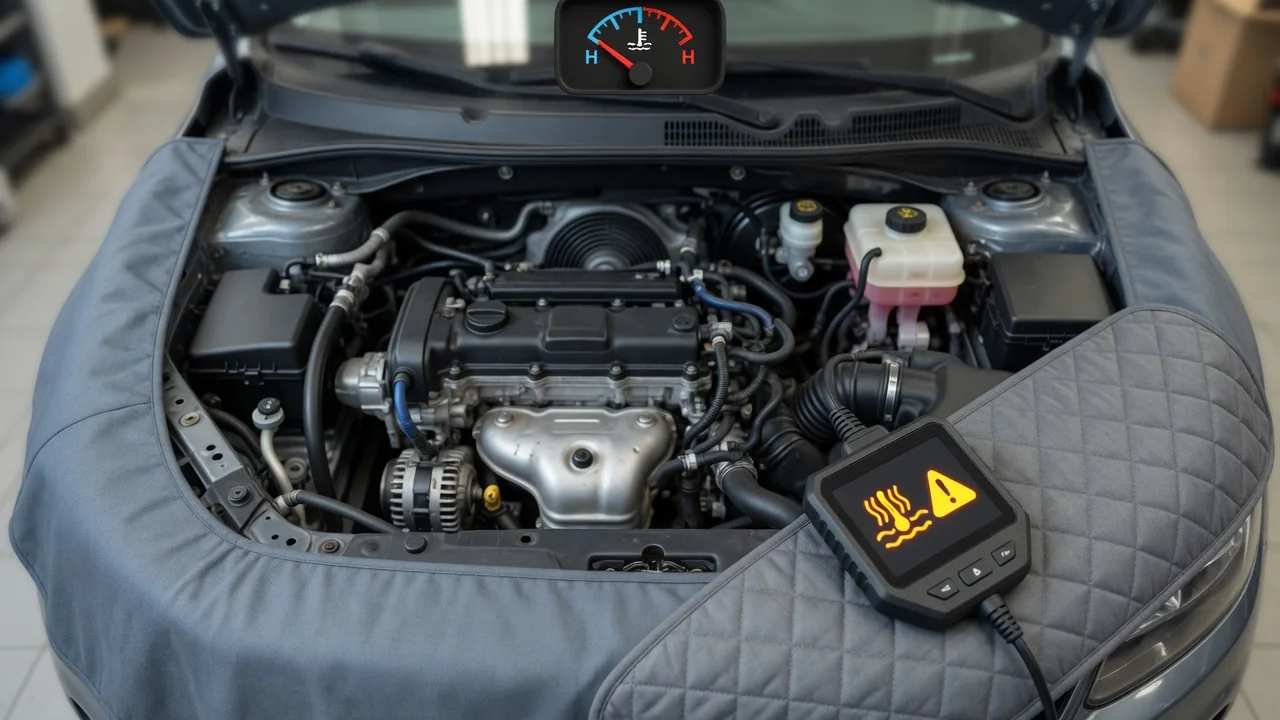
Seeing a P1289 code can be confusing, especially when related numbers like P1285 and P1290 appear alongside it. These manufacturer-specific trouble codes often point to cylinder head temperature (CHT) sensor problems, but their exact meaning depends on your vehicle. A P1289 code may signal an electrical fault rather than actual overheating, but ignoring it risks engine damage. Understanding what each code indicates, how the CHT sensor works, and how to tell a circuit fault from real overheating helps you make informed decisions about diagnosis and repair.
How P1285, P1289 and P1290 Are Related and Why Their Meaning Depends on the Make
P1xxx codes are manufacturer-specific, meaning the same number can represent different faults on different brands and model years. While P1285, P1289, and P1290 are commonly associated with cylinder head temperature monitoring on some Ford-family engines, that is not a universal definition. Because a code number alone does not identify the problem, you must confirm its meaning for your exact make, model, engine, and year using a manufacturer-level scan tool, factory service information, or a dealer resource.
On other makes, these numbers may describe unrelated systems entirely; applying CHT guidance without verification could send you down the wrong diagnostic path. The CHT sensor itself measures the temperature of the metal cylinder head rather than the coolant, providing a more direct reading of combustion chamber heat. Some engines use both a CHT sensor and a conventional coolant temperature sensor, while others rely on only one. Understanding this distinction helps interpret why a CHT-related code might set under conditions that do not match the coolant temperature gauge.
P1285 Code: Cylinder Head Over-Temperature Detected
When P1285 is defined as cylinder head over-temperature detected, it means the engine computer has seen a cylinder head temperature above its expected limit. This should be treated as a possible engine-protection warning rather than a simple sensor fault, because it can point to a real overheating event. Observable symptoms may include a rising temperature gauge, an overheating warning light, reduced power or fail-safe mode, steam from under the hood, or a sweet coolant smell. Any of these signs demands immediate attention to prevent serious engine damage.
Broad cause categories include low coolant level, coolant leaks, a stuck thermostat, a failed cooling fan, restricted coolant flow from a clogged radiator, or less commonly a faulty sensor reading that falsely reports high temperature. Continuing to drive with a confirmed overheating condition risks warped cylinder heads, blown head gaskets, or complete engine failure. If P1285 sets along with physical signs of overheating, stop driving as soon as safely possible and allow the engine to cool before investigating the cooling system.
P1289 Code: CHT Sensor Circuit High Input
For vehicles where P1289 means CHT sensor circuit high input, the engine computer is seeing a voltage signal from the sensor that is above its expected range. In plain terms, a high-input circuit code usually points to an electrical issue such as an open circuit, an unplugged connector, or a failed sensor that is no longer providing a proper reading. This does not necessarily mean the engine is actually overheating; however, the computer cannot know the true temperature and may respond with fail-safe strategies.
Possible symptoms include an erratic or missing temperature gauge reading, an illuminated check engine light, hard starting, rough running, or cooling fans running unexpectedly even when the engine is cold. The code shows where the computer saw an abnormal signal, not which specific part has failed. Also, if P1289 appears along with overheating signs like steam or a rising gauge, you should still treat the situation as a potential overheating event until proven otherwise, because a real overheat condition can sometimes cause sensor circuit anomalies.
P1290 Code: CHT Sensor Circuit Low Input
When P1290 is defined as CHT sensor circuit low input, the computer is seeing a voltage signal below the expected range. Low-input faults are often linked to shorted wiring, a damaged harness where insulation has rubbed through, a failed sensor that has internally shorted, or contamination at the connector such as oil or coolant. A false low signal might make the engine computer act as though the engine is hotter or colder than it really is, depending on the system design; this can trigger cooling fans, alter fuel delivery, or even prevent the engine from starting.
With the engine off and fully cool, you can safely look for obviously chafed or melted wiring near the sensor, oil or coolant on the connector, or a plug that has come loose. Do not reach into a hot engine bay. If P1290 appears together with P1289 or P1285, the combination changes what a technician will test first; for example, multiple circuit codes may point to a shared harness problem, while a circuit code plus an over-temp code may indicate a real thermal event that damaged the sensor or wiring.
Real Overheating or Faulty Sensor Circuit? Safe Ways to Tell the Difference
Genuine overheating typically comes with a gradual temperature gauge rise, steam, a hot smell, and possibly reduced power, while a faulty sensor circuit often produces gauge readings that jump instantly, read impossibly hot or cold, or do not match how the engine is behaving. Never open a hot radiator or coolant reservoir cap, because pressurized hot coolant can cause severe burns; only check the coolant level against the reservoir markings once the engine is fully cool. If the coolant level is normal and the gauge behaves erratically, a wiring or sensor issue is more likely.
Freeze frame data and live temperature readings from a professional scan tool can help a technician compare the reported CHT value with actual engine temperature measured independently. A basic code reader may not show manufacturer-specific codes or live CHT data at all. Do not repeatedly clear the codes to hide a warning, because that erases useful diagnostic information such as freeze frame data and pending code history. If the vehicle is overheating, losing coolant rapidly, or showing signs of serious mechanical trouble, stop driving and arrange a tow instead of continuing.
Professional Diagnosis and Repair Options for CHT-Related Codes
A technician will usually confirm the exact code definition for your vehicle, review freeze frame data from when the code set, compare the CHT sensor reading with actual engine temperature using an infrared thermometer or scan tool data, and test the sensor circuit for open or shorted conditions. Repairs depend on the verified cause and may involve cooling system work, wiring or connector repair, or sensor replacement. There are no universal part numbers or compatibility claims; the correct sensor for your engine must be determined from factory service information.
CHT sensor location and access vary widely by engine design, and some engines require specific removal and installation procedures to avoid damage. Checking for technical service bulletins or software updates through a dealer can be worthwhile because a manufacturer may have released a revised calibration or wiring fix. If the engine has actually overheated, it may need to be checked for related damage such as a blown head gasket or warped cylinder head, which requires professional testing such as a cooling system pressure test or combustion leak test.
After the Repair: Confirming the Fix and Preventing Repeat Codes
After the repair, a drive cycle may be needed before the engine computer confirms the fix and the readiness monitors complete. The technician can often perform the necessary drive cycle using a scan tool or by following a specific driving pattern. Over the following trips, watch the temperature gauge and warning lights, and note if the code returns. A properly repaired CHT circuit or cooling system should not set the same code again.
Routine checks of coolant level, visible leaks, and wiring condition should follow your owner's manual schedule, not invented intervals. If a code comes back after a repair, the original diagnosis should be revisited before replacing more parts. For example, a recurring P1289 after sensor replacement may indicate a wiring harness issue that was missed, or a recurring P1285 may point to an intermittent cooling system fault. Each new code event provides additional data to narrow down the root cause, so avoid clearing codes without recording the conditions under which they set.