P1282 Code: Meaning by Manufacturer, Symptoms and Safe Diagnosis
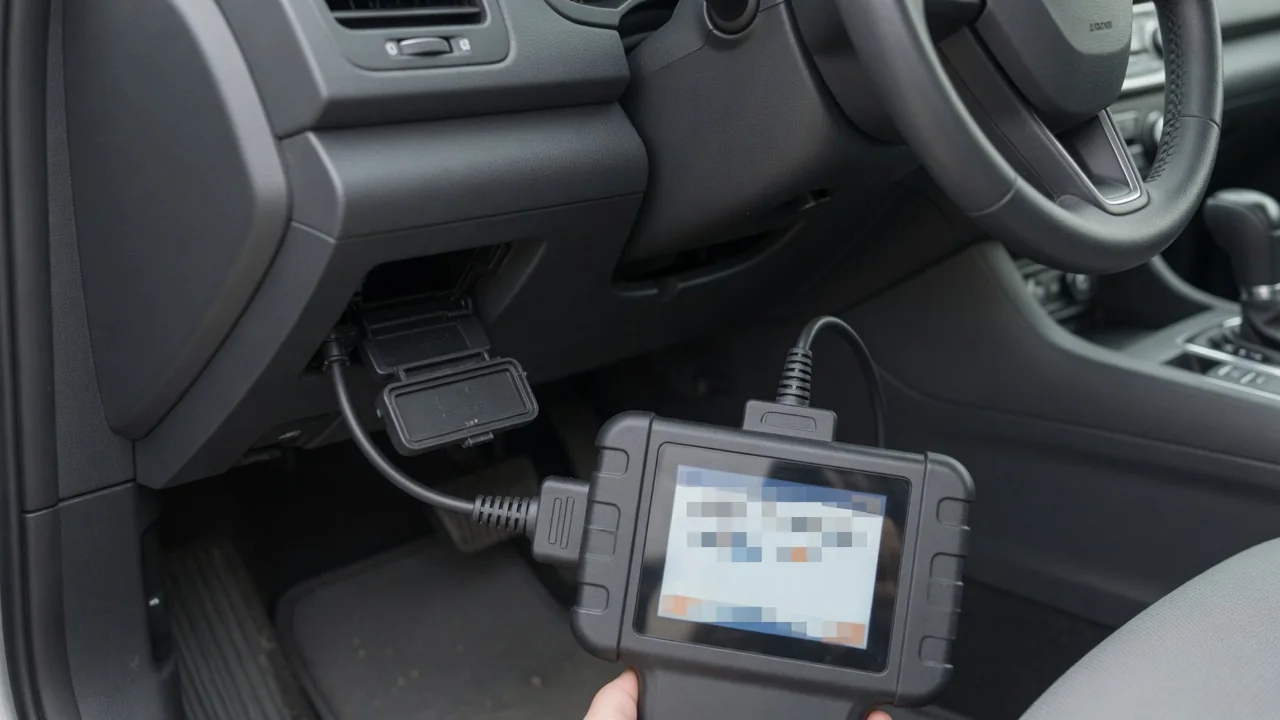
A stored P1282 diagnostic trouble code can be confusing because the same code does not carry one universal meaning. Unlike generic powertrain codes, P1xxx series codes are manufacturer-specific definitions assigned by each automaker. That means the check engine light may relate to entirely different systems in vehicles from different brands. To interpret P1282 safely, you must confirm the exact definition for your make, model, year and engine before assuming a cause or buying parts.
What P1282 Means and Why the Definition Depends on the Manufacturer
P1282 belongs to the manufacturer-specific range of OBD-II codes. The Society of Automotive Engineers reserves P1xxx codes so each automaker can define them differently for its own diagnostics. As a result, P1282 may point to a fuel pressure concern on one vehicle, an intake manifold runner control issue on another, or yet another powertrain subsystem on a third. Because the meaning is not standardized, any generic description from a basic OBD-II scanner should be treated as provisional, not definitive.
The powertrain control module sets such a code when it detects a signal or behavior outside the expected range defined in its programming. Since that range and the monitored component vary by manufacturer, the same numeric code may represent completely different fault conditions. For example, one brand may use P1282 for a circuit that is shorted to ground, while another may use it for a performance problem after a calibratable time delay. Confirming the vehicle-specific definition is therefore the first step in any accurate diagnosis.
How to Look Up the Correct P1282 Definition for Your Vehicle
Because the definition depends on the exact vehicle, the best lookup starts with the vehicle identification number. A dealer parts or service department, factory repair information subscription, or professional make-specific scan tool can decode the VIN and retrieve the precise fault description for that engine and model year. The same manufacturer can even reuse P1282 with different meanings across platforms, so a definition found for one model may not apply to a similar SUV or truck from the same brand.
Before clearing anything, record the freeze frame data that shows operating conditions at the moment the code was set, such as engine speed, coolant temperature and fuel trims. Note whether the code is pending, confirmed or history, and list any other codes stored alongside P1282. This information can help a technician see whether the fault occurs only when the engine is cold or under load. Avoid relying on a generic online code list that fails to identify the platform, because using an incorrect definition can lead to unnecessary repairs.
Symptoms Drivers May Notice With a Stored P1282
In many cases, the only symptom is the check engine light itself. A stored code indicates that the computer has seen an out-of-range signal or an expected result that did not occur, but the driver may feel no change in operation. This can be true even for codes related to emissions or secondary systems, where the engine continues to run normally. For that reason, the presence of P1282 alone does not always point to a drivability problem that can be felt.
When symptoms do appear, they depend on the system actually being monitored. General signs that can accompany powertrain codes include hard starting, hesitation on acceleration, rough idle, reduced power or sudden stalling, but none of these are automatically caused by P1282 in every vehicle. After confirming the definition, match any observed symptom to the monitored component or circuit. If the engine stalls in traffic, loses power while driving, or the check engine light flashes, move to a safe place and have the vehicle towed rather than continuing to drive.
Possible Cause Categories to Consider After Confirming the Definition
Once the exact definition is known, it usually points to one of several broad categories. The fault may involve a sensor or actuator and its circuit, meaning the wiring harness, electrical connector, or the component itself could be responsible. Alternatively, the powertrain control module may be reporting a software or calibration issue, or a signal that is outside expected limits because of another failure elsewhere. Understanding this category helps narrow testing, but it does not identify the root cause by itself.
A recorded code is evidence of a condition the computer detected, not proof that a specific part has failed. For example, a circuit code could be set by a damaged wire, a loose terminal, a faulty sensor, or a module issue. Other common factors such as low battery voltage, weak engine grounds or recent repair work can also create misleading codes on many vehicles. That is why replacing a sensor or actuator solely because a code number appears is rarely the correct first move.
Safe Checks You Can Do Before Visiting a Shop
Some non-invasive observations can be made before visiting a shop. With the engine off and the key removed, look for obvious wiring damage, loose or corroded connectors in easy-to-reach areas, and any fuel or coolant smell that may indicate a leak. Note the conditions when the check engine light appears, such as during a cold start, after refueling, or at highway speed, and whether the code returns after a normal drive cycle. These details can help a technician focus the diagnosis.
Do not disconnect fuel system components, probe high-voltage ignition or hybrid circuits, or bypass relays and fuses. Such actions can cause injury or create new faults. Also avoid clearing the code merely to see if it comes back, because doing so erases freeze frame data and emissions readiness monitor results needed for an accurate repair confirmation. Leaving the stored code and data intact gives the next diagnostic step a clear starting point.
When P1282 Needs Professional Testing
Confirming the root cause of a manufacturer-specific code typically requires the factory test plan, wiring diagrams and proper measurement tools. A technician may compare live data to expected values, perform circuit integrity tests on the relevant wires and connectors, and check for module updates or technical service bulletins that apply to the vehicle. These procedures are designed to isolate the failed component or condition without unnecessary parts replacement, and they often require equipment beyond a basic hand-held scanner.
Certain warning signs call for prompt professional attention. If the engine stalls repeatedly, there is a noticeable fuel odor, the engine overheats, or the check engine light flashes, the vehicle should be inspected immediately rather than driven. When you bring the vehicle in, ask the shop which manufacturer definition of P1282 they used and what test results support the recommended repair. A clear explanation based on vehicle-specific information is a sign of a proper diagnostic process.
How P1282 Is Usually Resolved and How to Confirm the Fix
The correct repair depends on the verified definition and the test findings. It may be as simple as repairing a chafed wire or replacing a corroded connector, or it may involve a failed sensor, actuator or a software update performed with the factory tool. Because the same code can have different causes across vehicles, no single repair applies universally. Never replace a component solely because a code number is stored; the part should be condemned only after testing confirms it is at fault.
After the repair is completed, the code should be cleared and the vehicle driven through a normal drive cycle to verify the fix. The specific drive cycle for setting and clearing readiness monitors varies by manufacturer, so a simple trip around the block may not be enough. Check that the code does not return and that all emissions monitors run to completion. Before assuming a technical service bulletin applies, ask a dealer to run a VIN-based search, since bulletins are specific to certain production ranges and software levels.