P1280 Code: Vehicle-Specific Meaning, Diagnosis and Repairs
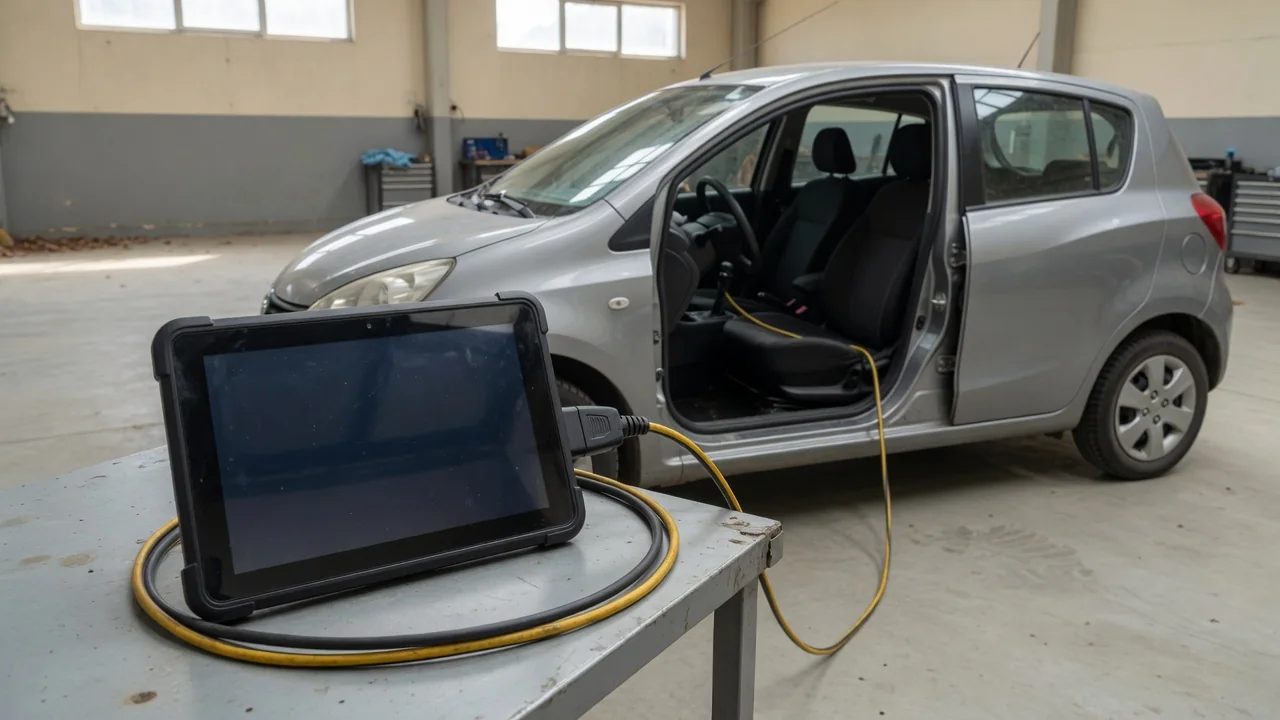
P1280 is a manufacturer-specific trouble code, so the same alphanumeric label can describe different monitored conditions depending on the vehicle. Before any repair plan, confirm the make, model, year, engine, and other vehicle identification details against that vehicle's service information. A stored P1280 code reports a condition a control module observed; it does not, by itself, prove which part failed or which repair will restore normal operation.
Verify What P1280 Means for Your Vehicle
P1280 cannot be interpreted reliably from the digits alone. Different manufacturers assign this manufacturer-specific trouble code to different systems, so a definition copied from another brand or model year can send diagnosis in the wrong direction. Record the make, model, model year, engine, and remaining vehicle identification information first, then look up P1280 in the service information written for that exact application. Until that match is confirmed, treat any generic explanation as unverified.
Any example definition is useful only when it names the application it belongs to and comes from verified service information for that vehicle. A P1280 code identifies a monitored condition, not a failed part. The reporting module may have seen an electrical, mechanical, or operating-range problem, and several components can produce the same stored result. Replacement based on the code number alone can leave the original condition in place and add an unnecessary part change.
Record Symptoms and Decide Whether to Stop Driving
Once the verified P1280 definition is known, compare it with what the vehicle is actually doing. Warning lights may illuminate with or without a drivability complaint, and some stored faults produce no noticeable change in how the vehicle starts or drives. Write down when the warning appeared, whether starting is delayed or normal, idle quality, power delivery, and whether the concern shows up during warm-up or only after the vehicle has been driven. Those notes help a technician reproduce the condition later.
Severe power loss, stalling, overheating, smoke, or an oil-pressure warning are reasons to pull over safely and arrange assistance, regardless of how P1280 is labeled on a scanner. The code by itself does not establish that the vehicle is safe to continue driving. If warning lights, pending codes, or symptoms are hard to interpret, or if the verified definition involves a system that can affect control or lubrication, seek professional advice before deciding whether to keep using the vehicle.
Preserve the Scan Information Before Clearing Anything
Before clearing anything or disconnecting the battery, save the scan information exactly as it appears. Record P1280, the scanner's description string, which module reported it, and whether the status is stored, pending, or both when the tool displays that detail. Pending codes can show a condition that has not yet matured into a confirmed fault, and losing that distinction makes later diagnosis harder. A screenshot or written copy of the full report is more useful than memory of a single code number.
Also capture any accompanying codes and freeze-frame data before the memory is erased. Freeze-frame data records operating conditions at the time the fault set, such as engine speed, load, and temperature, which can help a technician reproduce the concern without proving its cause. A basic scanner may omit manufacturer-specific details, module identification, or freeze-frame fields, so incomplete tool output is another reason to verify the definition in vehicle-specific service information rather than relying on a generic code library.
Narrow Possible Causes Using the Confirmed Definition
Possible causes should be organized around the system and fault condition actually identified for that vehicle, not around a list of parts associated with P1280 on other applications. Wiring, connectors, power supply, sensors, actuators, or mechanical conditions belong in the discussion only when the verified diagnostic procedure for that definition supports checking them. Circuit testing, for example, is relevant when the service information points to an electrical monitor; it is not automatically required because a code is stored.
Recent repairs, skipped maintenance, or the timing of symptoms can supply diagnostic context, but coincidence is not proof. A connector disturbed during another job might explain a new P1280, yet the same code can also set from an unrelated condition that appeared after the work. There is no supported ranking of the most common failure for this code across all vehicles. Replacing a named component solely because P1280 appeared can leave the fault unresolved if the actual problem is wiring, power supply, or another part of the same system.
Limit Owner Checks to Safe Observations
With the vehicle parked securely and the engine off and cool, look only for readily visible problems such as a disconnected connector, obviously damaged wiring, or a leak in an area related to the confirmed P1280 definition. Do not unplug, pry, or dismantle components during this look-over. Limit any fluid check to a procedure the owner's manual explicitly permits and only when that fluid is relevant to the verified fault. Observations that require reaching near hot parts, moving parts, or an unsupported vehicle are outside a safe owner inspection.
Do not probe live circuits, open pressurized systems, reach near belts or fans, or work beneath an unsupported vehicle. Circuit testing, pressure testing, manufacturer-specific scan functions, and controlled operating tests belong with a qualified technician who has the correct service information and equipment. Those steps can confirm whether the monitored condition is electrical, mechanical, or related to how the system is commanded, which a visual check cannot establish. If nothing obvious is visible, stop at documentation of symptoms and scan data rather than expanding into unsafe testing.
Repair the Confirmed Fault and Verify the Result
The repair must follow test results, not the code number. Depending on what those tests show, the work may be a verified wiring repair, a connection repair, component replacement, or correction of an underlying system problem that caused the monitor to fail. A useful professional diagnosis should state the applicable P1280 definition for that vehicle, the tests performed, the identified failure, and the proposed repair. That record is more informative than a parts invoice tied only to the trouble code.
Clearing P1280 alone does not repair the cause. Repair verification includes rescanning after the work and checking whether the original symptoms and warning lights return. Use the vehicle-specific verification procedures in the service information rather than a generic drive cycle, because monitor enable conditions differ by application. If the fault returns, further diagnosis is required instead of repeating the same part replacement. No single repair cost applies to every P1280 case, because the confirmed failure and the labor to prove it vary with the vehicle and the system involved.