P1275 Code: Meaning, Symptoms, Causes and Diagnosis
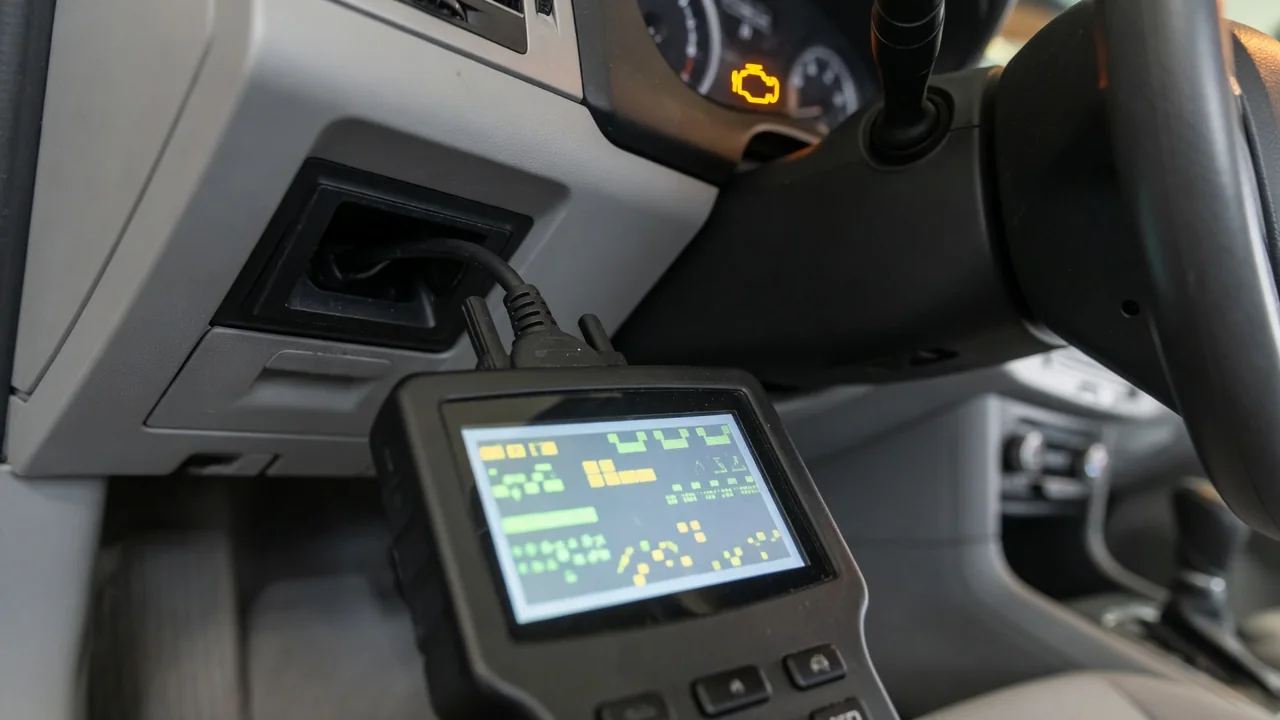
A P1275 diagnostic trouble code (DTC) means different things depending on the vehicle manufacturer. Unlike generic OBD-II powertrain codes, P1xxx codes are manufacturer-specific, so the same number can point to unrelated systems in different brands. Before assuming a failed part or searching for generic fixes, the exact definition for the make, model, year, and engine must be confirmed. Recording freeze frame data, pending versus confirmed status, and any other stored codes gives the best starting point for accurate diagnosis.
What P1275 Means and Why the Definition Depends on the Manufacturer
P1275 is a manufacturer-specific code, which means its definition is not standardized across all vehicles. One brand may use it for an accelerator pedal position sensor circuit, while another could assign it to a fuel pressure sensor or a turbocharger control circuit. Because the P1xxx range is reserved for OEM-defined faults, generic online definitions or code lists can mislead. The only reliable way to interpret P1275 is to consult the factory service information or a scan tool that includes manufacturer-specific code definitions.
When the check engine light comes on with P1275, note whether the code is pending or confirmed, and record freeze frame data that captures engine conditions at the moment the fault was set. Additional stored codes may indicate a shared power supply, ground, or communication issue. These details help a technician focus the diagnosis and prevent unnecessary parts replacement. A dealer service department or a professional-grade scan tool can confirm the exact meaning for the specific vehicle.
Symptoms Drivers May Notice With a P1275 Code
The check engine light is the most consistent symptom of a P1275 code, but many vehicles show no noticeable change in drivability. Since the code can be assigned to different circuits or components depending on the manufacturer, the observable symptoms vary widely. One driver might see only the illuminated light, while another could experience rough running, hesitation, or reduced power if the fault affects a critical sensor or actuator. The absence of symptoms does not mean the problem can be ignored.
Because the meaning of P1275 is not universal, it is important to record any drivability changes without assuming they point to a specific cause. Symptoms such as unstable idle, decreased fuel economy, or sluggish acceleration could come from a failing sensor, an intermittent wiring fault, or a completely different system. Warning signs that call for immediate caution include a flashing check engine light, a reduced-power or limp mode message, or unexpected throttle response. These may indicate a fault that could affect vehicle control or emissions.
Possible Causes to Consider Once the Meaning Is Confirmed
Once the manufacturer definition for P1275 is confirmed, the list of possible causes follows logically from the involved circuit or component. For a sensor circuit code, common categories include a defective sensor, damaged wiring or connectors, corrosion at terminals, a poor ground, a blown fuse, or a fault inside the powertrain control module. For an actuator or output circuit code, the same categories apply to the controlled device and its wiring. The code number alone does not narrow the cause without knowing which system the manufacturer assigned to it.
Low battery voltage, recent electrical work, or aftermarket accessories can sometimes contribute to stored electrical fault codes. A weak battery can cause multiple sensors to report out-of-range values, while a poorly installed accessory may disturb a shared ground or data line. Before replacing any parts, testing the circuit and component operation is essential. Guesswork often leads to expensive changes that do not clear the fault and may introduce new problems.
Safe Checks You Can Do Before Visiting a Shop
Before visiting a shop, a driver can use an OBD-II scanner to read and record all stored codes and their freeze frame data. This information shows the engine speed, coolant temperature, and other conditions when the fault first appeared, which helps a technician reproduce the problem. Clearing the code before recording these details erases evidence that could speed up diagnosis. The scanner may also show whether the code is pending, which means the fault has occurred recently but has not yet been confirmed.
With the engine off and the key removed, a careful visual inspection can reveal obviously loose, chafed, or corroded connectors and wiring near the suspected component. It is safe to look without disassembling systems, but probing or disconnecting connectors requires caution. Checking with a dealer using the VIN may uncover related technical service bulletins or software updates that address known faults. Clearing the code and watching whether it returns provides useful information, but it does not repair the underlying issue.
How a Technician Diagnoses P1275
A professional diagnosis begins by confirming the manufacturer definition and then following the factory diagnostic flowchart for that specific code. The technician reviews live data from the scan tool to see whether the component is operating within expected parameters. Circuit testing may include checking voltage, resistance, and continuity, but these measurements require the correct specifications from service information. Probing the wrong terminals can damage a module or set additional codes, so manufacturer test procedures must be followed exactly.
Intermittent faults may not appear during a stationary test, so a technician may road test the vehicle while monitoring live data or use a scan tool that records parameters over time. If the fault cannot be reproduced, the code may be cleared and the vehicle driven until it returns. Some manufacturer-specific codes involve software calibration issues, and the final step may require module programming or a dealer-level scan tool to update the powertrain control module.
Repair Options and What to Expect After the Fix
The appropriate repair for P1275 depends entirely on the verified root cause. It may involve repairing a damaged wire, replacing a faulty sensor or actuator, cleaning a corroded connector, or updating software in the powertrain control module. Using parts specified for the exact vehicle is critical, because components that look identical may have different electrical characteristics or calibration. A dealer or knowledgeable parts supplier can confirm compatibility using the VIN.
After the repair, the technician clears the codes and performs a drive cycle as specified by the manufacturer. The readiness monitors must complete without the code returning, which confirms that the system is functioning correctly. Repair costs vary widely by vehicle and cause; a simple connector repair costs far less than replacing a control module. Before approving any parts replacement, ask for a written diagnosis that identifies the failed component or circuit testing results.
Can You Keep Driving With P1275?
Whether it is safe to keep driving with P1275 depends on which system the code is linked to and how the vehicle behaves. If the confirmed definition involves a critical input such as an accelerator pedal position sensor or a fuel system component, continuing to drive could lead to poor performance or a no-start condition. In some cases the vehicle may enter a reduced-power or limp mode that limits speed and acceleration. If the code affects throttle response or engine running quality, getting prompt diagnosis is the safest choice.
Leaving P1275 unresolved can cause additional problems beyond drivability. A lit check engine light will cause an emissions inspection failure in most regions, and it may mask a new, more serious fault because the driver becomes used to seeing the light. The best rule of thumb is to record the code, confirm its meaning for the specific vehicle, and schedule diagnosis rather than ignoring it long term. Early attention often prevents a minor electrical issue from becoming an expensive failure.