P1273 Code: Verify Its Meaning, Symptoms, Causes and Repairs
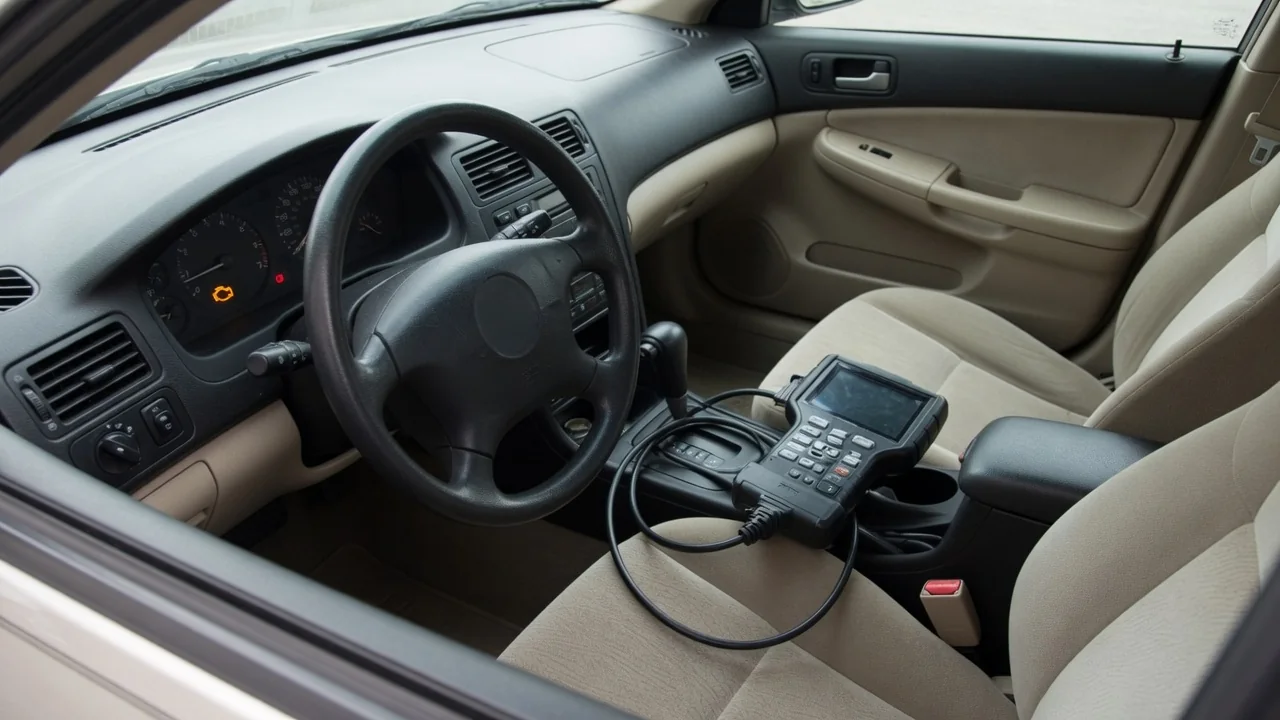
When a scan tool reports P1273, treat it as a manufacturer-specific trouble code rather than a universal diagnosis. The P1273 code is a powertrain diagnostic trouble code whose meaning depends on year, make, model, and engine. Confirm the definition in vehicle service information, then use freeze-frame data, companion codes, and symptoms to plan diagnostic testing instead of replacing parts on the code alone.
Verify What P1273 Means for Your Vehicle
P1273 is a manufacturer-specific powertrain code, so it does not share one definition across every brand. Different makers assign this number to different monitored circuits, sensors, or operating limits, and those assignments are not interchangeable. Before interpreting the P1273 code, identify the vehicle year, make, model, engine, and the applicable vehicle service information. Those details tell the scan tool description which factory definition applies and keep a pending code or stored diagnostic trouble code from being read against the wrong system map.
A generic scanner phrase or an online listing for P1273 may summarize a family of powertrain faults, yet it can omit the exact monitor, enable criteria, and failure threshold used on that vehicle. Vehicle service information is the source that matches the code to the control module's actual test. Even after that definition is verified, the result only shows that a detected condition occurred. It does not prove which connector, sensor, actuator, or mechanical part failed, so diagnostic testing still has to isolate the fault path.
Symptoms to Record When the Code Appears
When the P1273 code sets, drivers may notice an illuminated check engine light, uneven running, reduced power, harder starting, or no change in how the vehicle drives. Those observations are possible, not a fixed symptom list for every application of this manufacturer-specific trouble code. Record what you actually feel and hear, including whether any other warning lights appear, because the combination of a stored diagnostic trouble code and real-world behavior later guides which system the technician tests first.
Note whether any change happens during a cold start, after warm-up, at idle, or under normal driving load. Do not recreate unsafe conditions to force the fault, such as aggressive driving or ignoring a stall. Timing details, together with freeze-frame data captured when P1273 stored, help a technician compare operating conditions to the monitor that ran. Symptoms and extra warning lights still cannot confirm a failed component; they only narrow diagnostic testing toward the system named in the verified definition.
Possible Causes Depend on the Confirmed Definition
Possible causes for P1273 must be organized around the system named in the verified, vehicle-specific definition, not around a generic parts list. Once that system is known, relevant fault paths can include damaged wiring, a loose or corroded connector, an inaccurate sensor signal, an actuator that does not respond as commanded, or an actual operating condition outside the expected range. Those paths look similar on a scan report, which is why the P1273 code by itself cannot rank them.
Supporting test results are required before attributing the code to any sensor, mechanical component, or control module. A signal that looks out of range can still be caused by a poor ground, a shorted harness, or a genuine process condition the sensor is reporting correctly. Do not treat a cause as common across all vehicles that store P1273, and do not name a replacement part without vehicle-specific support from diagnostic testing and service information. The confirmed definition identifies what was detected, not what to buy first.
Safe Checks Before a Diagnostic Appointment
Before a diagnostic appointment, record the full scan report, including every stored, pending, and companion code, plus code status and any freeze-frame data attached to P1273. Save those readings before clearing anything. Also note recent repairs, maintenance, fueling changes, or symptom shifts that may show when the fault began. That history helps a technician match the P1273 code to an event rather than starting from a blank screen after the evidence has been erased.
Limit owner checks to safe observations with the vehicle parked and the engine off. Look for obviously loose connectors, damaged visible wiring, or fresh leaks, and stop there. Do not probe circuits, open fuel systems, or handle hot components. Clearing the P1273 code or disconnecting the battery can wipe freeze-frame data, pending code status, and adaptive information without repairing the underlying condition, leaving the check engine light likely to return once the monitor runs again.
How Professional Testing Leads to a Repair
A technician starts by confirming the P1273 definition in the correct vehicle service information, then follows that maker's diagnostic procedure. Companion codes, pending code status, and recorded freeze-frame data show whether other monitors failed at the same time and under what load, temperature, and speed the control module stored the fault. That context decides which circuit or operating test comes first and prevents treating an isolated P1273 code as a stand-alone parts diagnosis.
Electrical measurements, live-data checks, and system-specific tests then distinguish a wiring or signal problem from a genuine operating fault. Repair follows the confirmed cause, which may be a connection, a damaged wire, a component that failed its specified test, or the underlying system condition the monitor actually saw. After the work, verification must repeat the applicable diagnostic conditions, not just a key cycle. An extinguished check engine light is useful feedback, yet it does not prove the monitor has passed until the enabling criteria are met again.
When to Stop Driving and Arrange Help
P1273 alone cannot establish whether continued driving is safe, because its manufacturer-specific meaning and the vehicle's present behavior both have to be assessed. If the engine shakes severely, stalls, loses major power, produces smoke, or gives off a strong fuel smell, stop in a safe place and arrange assistance. The same applies to critical temperature or oil-pressure warnings. Those signs describe an immediate operating risk, independent of how a scan tool labeled the stored diagnostic trouble code.
Treat a flashing check engine light as a request for prompt attention and vehicle-specific guidance; do not assume the P1273 code always produces that flash. A flashing warning often relates to conditions that can damage the catalyst or leave the engine unstable, so the owner's manual and a qualified technician should decide next steps. When the light is steady and the vehicle otherwise operates normally, arrange prompt diagnosis rather than waiting for a promised safe mileage. Follow the owner's manual until the fault is identified.