P1272 Code: Meaning, Symptoms, and Fixes by Manufacturer
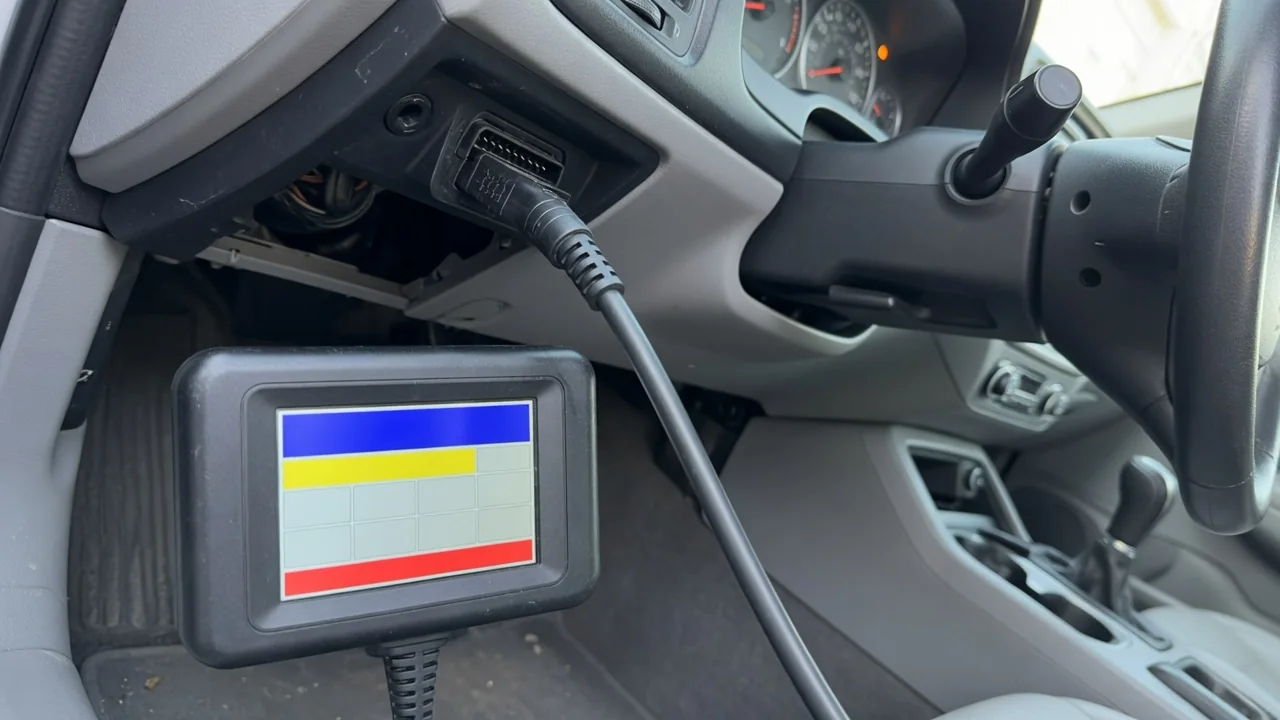
A P1272 trouble code can be confusing because it means different things on different vehicles. Unlike generic P0xxx codes, P1xxx codes are manufacturer-specific, so the same number may point to a fuel pressure sensor on one brand and an accelerator pedal position sensor on another. If your check engine light is on and a scan tool shows P1272, you need the exact definition for your make, model, year, and engine. This article explains why the definition varies, what symptoms may appear, how to approach diagnosis, and when to seek professional help.
What P1272 Means and Why Its Definition Depends on Your Vehicle
P1272 falls into the P1xxx range, which automakers use for their own control strategies rather than the standardized OBD-II codes that begin with P0. This means the same numeric identifier can represent entirely different circuits or monitored conditions depending on the vehicle. For instance, one manufacturer may define P1272 as a fuel rail pressure sensor range/performance problem, while another might link it to an accelerator pedal position sensor circuit or a cylinder balance fault. A generic code reader often displays only the number, leaving the true meaning hidden behind the vehicle-specific software.
To avoid misinterpreting the fault, confirm the P1272 description using an enhanced or brand-level scan tool, the factory service information, or a dealer or qualified shop with access to the manufacturer's diagnostic database. Even seemingly similar engine families can assign different meanings based on model year or emission package. Relying on an internet code list copied from another brand, or a definition found for a different engine, can send you down the wrong diagnostic path and waste time and money.
Reading the Full Scan Data Before Drawing Conclusions
Before drawing any conclusions, read all the data associated with the code. The text description, freeze frame data, and status—pending, confirmed, or history—are far more useful than the code number alone. Freeze frame captures the operating conditions when the fault was detected, such as engine speed, temperature, and load, which can help identify a pattern. A pending code means the monitor has seen a problem but hasn't yet completed a full drive cycle, while a confirmed code indicates a repeat failure. History codes may be old problems that have not recurred.
Other stored codes alongside P1272 can change the likely fault. For example, a low system voltage code might suggest a wiring concern, while a related fuel trim code could point toward a fuel delivery problem. Record all codes and freeze frame data before clearing anything, because clearing erases evidence that could guide a precise diagnosis. Remember that a code identifies a monitored condition or circuit, not a confirmed failed part. Further testing is always needed to verify the root cause.
Symptoms Drivers May Notice With a P1272 Code
The check engine light is the most common sign of a P1272 code, but some vehicles show no drivability change at all. Because the definition varies by manufacturer, symptom patterns are not universal. One vehicle may idle roughly or hesitate during acceleration, while another with the same code may run perfectly normally. Fuel economy could change if the fault affects mixture control or a sensor reading used by the engine computer, but again this depends on the specific system involved.
Watch for more urgent symptoms that require immediate attention. A flashing check engine light usually indicates a severe misfire that could damage the catalytic converter, so stop driving as soon as safely possible. Other serious signs include severe power loss, overheating, or a noticeable fuel smell. These may point to a more dangerous condition such as a fuel leak or an overheating engine, and continuing to drive could lead to expensive damage or a safety risk. When in doubt, have the vehicle towed to a repair facility.
Possible Cause Categories Once the Definition Is Confirmed
Once the manufacturer-specific definition is confirmed, possible causes fall into broad categories: a sensor or actuator, wiring and connectors, a mechanical condition, or control-module software. For example, if P1272 refers to a fuel pressure sensor circuit, the fault could be in the sensor itself, the wiring harness, or a problem with the fuel pump or pressure regulator. If it relates to an accelerator pedal position sensor, the pedal assembly, throttle body, or engine control module calibration could be involved.
Previous repairs, aftermarket parts, or damaged wiring can contribute to the fault. A sensor that was unplugged or replaced incorrectly may leave a diagnostic code, as can a rodent-chewed wire or a corroded connector. Avoid buying parts based only on the code number; even a likely culprit such as a sensor should be tested before replacement. A code number alone is a starting point, not a shopping list, and replacing parts without diagnosis often leaves the real problem unsolved.
Safe Checks You Can Do Before Visiting a Shop
Before visiting a shop, make a few non-invasive observations. Note when the check engine light comes on, the driving conditions at that moment, and any recent repairs or battery work. An intermittent code may appear only during cold starts, heavy acceleration, or long trips. Recent work such as a battery replacement or engine repair could have left a connector loose or caused a temporary loss of communication that set the code. Write down the exact conditions to help the technician reproduce the fault.
You can perform safe visual checks with the engine off and cool. Look for obviously loose connectors, damaged wiring, or disconnected hoses near the components named in the code definition. For example, if the code relates to an accelerator pedal sensor, inspect the wiring near the pedal. Check for signs of rodent damage or corrosion. You can also ask a dealer if there are any technical service bulletins or software updates related to P1272 for your vehicle. Do not work on fuel systems, high-voltage components, or a running engine without proper training; these areas can be dangerous.
When Professional Diagnosis Is Needed and What to Expect
Confirming most P1272 faults requires manufacturer test procedures, live data, and electrical testing that a professional technician can perform. An enhanced scan tool can read live sensor values, actuate components, and run functional tests that pinpoint whether a circuit is open, shorted, or out of range. A proper diagnostic visit should include verifying the exact code definition for your vehicle, following the manufacturer's pinpoint tests, and confirming the root cause before any repair is approved.
When you bring the vehicle in, ask the shop for the exact code definition and the test results before approving repairs. A reliable technician will explain what P1272 means on your car, what tests were done, and why a particular part or wiring repair is recommended. Costs vary widely depending on the confirmed cause, the vehicle, and local labor rates, so there is no fixed price for this code. Avoid any shop that wants to replace a part solely because the code reader showed P1272.
Repair Options and Confirming the Fix
Repairs for P1272 range from simple connector or wiring fixes to part replacement or software updates, depending on the confirmed cause. A loose connector may only need to be cleaned and reseated, while a failed sensor or actuator must be replaced. Some definitions involve a software issue that a reflash from the dealer can correct. In any case, the repair should be based on diagnostic evidence rather than guesswork.
After the repair, the vehicle usually needs a drive cycle so the affected monitor can run and confirm the fix. The check engine light may remain off after clearing, but the emissions readiness monitor may not be complete until the correct driving pattern is performed. If P1272 returns after clearing and driving, it means the original problem was not solved, or a new fault has appeared. Repeating the same part replacement is unwise; instead, further diagnosis is needed to find the true cause. Ignoring an active fault can affect emissions test readiness and may lead to further damage or decreased performance.