P1270 Code: Meaning, Symptoms, and Fixes
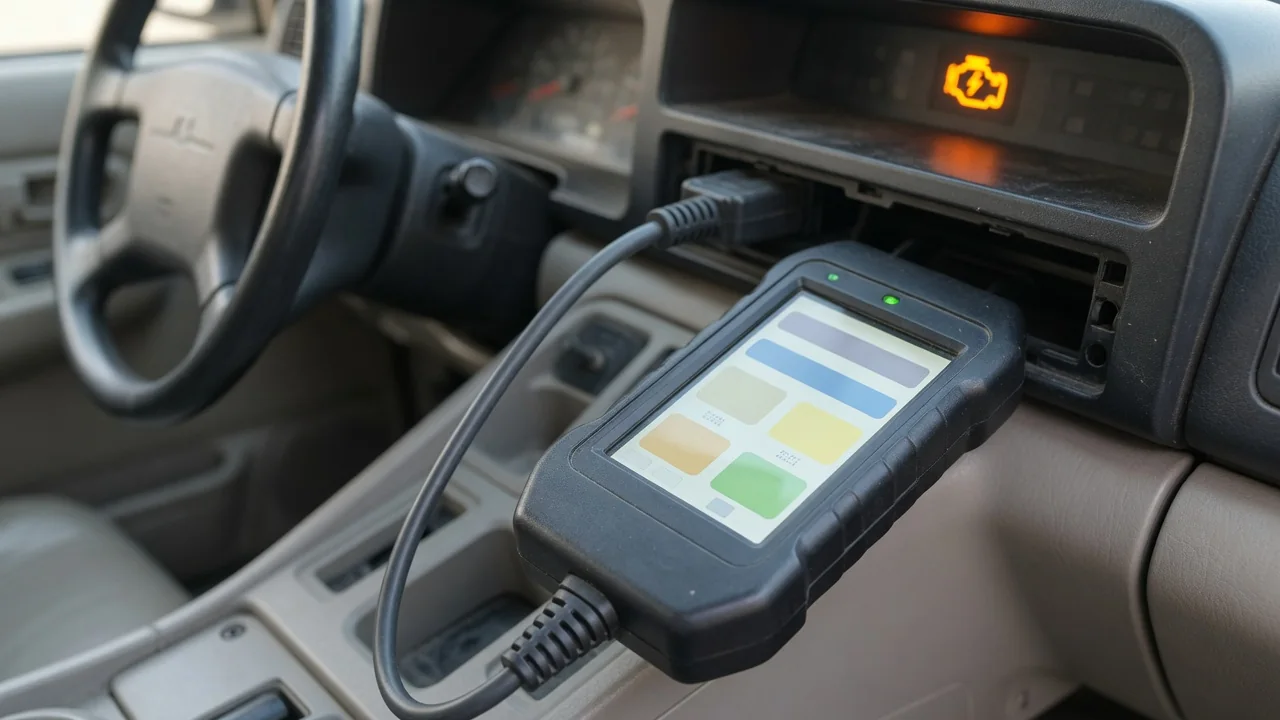
A P1270 code can leave a driver guessing, because unlike generic OBD-II codes, the P1xxx range is manufacturer-specific. The same number may point to an accelerator pedal sensor on one vehicle, a turbocharger control circuit on another, or a completely different system. Before assuming the worst, confirm the exact definition for your make, model, year, and engine. The check engine light, freeze frame data, and a make-aware scan tool are the first clues, not a final verdict.
What P1270 Means and Why the Definition Depends on Your Vehicle
P1270 is a manufacturer-specific trouble code, meaning its definition changes from one automaker to another. The P1xxx series is reserved for powertrain codes that each manufacturer assigns to systems like fuel delivery, boost control, or electronic throttle. A generic code reader may only display "manufacturer-specific" without explaining the actual circuit or component. To avoid misdiagnosis, confirm the precise P1270 description from factory service information, a dealer, or scan-tool software that supports your vehicle's make and model.
Using a definition from another brand or a generic online list can send you after the wrong part. For example, P1270 might relate to a turbocharger wastegate on one vehicle and an engine speed limiter on another. Before buying sensors, actuators, or modules, look up the code for your specific engine. Many repair databases and OEM subscription services list code descriptions by vehicle identification. A qualified shop with brand-level tools can confirm the meaning in minutes, preventing an expensive guess.
Reading the Full Scan Report Before Acting on P1270
A single scan gives only a starting point, so record everything the tool reports: freeze frame data, code status, and any companion codes. Freeze frame captures engine temperature, rpm, load, and fuel trims at the moment the fault set, which can show whether P1270 appeared at idle, under boost, or during warm-up. Pending codes mean a fault was seen once but not yet confirmed, while stored codes have recurred. Other codes may share a power supply, ground, or communication network with P1270.
Do not clear the code just to make the light go off. Clearing erases freeze frame data and code status that a technician needs for accurate testing. A stored P1270 does not identify a failed part; it only says the powertrain control module saw a value or circuit behavior outside the expected range. The same code can result from a bad sensor, wiring problem, or a software issue, so use the scan data to choose the first diagnostic step rather than treating the code as a repair instruction.
Symptoms Drivers May Notice With P1270
Symptoms with P1270 depend entirely on the system the manufacturer has tied to the code. Some vehicles may run normally, while others show a check engine light, reduced power, rough idle, hesitation, or poor acceleration. A driver might notice the engine stumbles when cold, surges at highway speed, or refuses to rev past a certain point. Because the code can relate to throttle, turbo, fuel, or transmission functions, there is no single symptom list that covers every make.
Note exactly when the symptom occurs: engine temperature, throttle position, road speed, and whether the transmission is shifting. Some vehicles activate a protective mode that limits boost or throttle opening, which may feel like a sudden loss of power. If the check engine light flashes, if there is a burning smell, overheating, or a major loss of power, stop driving as soon as it is safe. A flashing light usually indicates a misfire severe enough to damage the catalytic converter.
Possible Causes to Consider After Confirming the Definition
Possible causes for P1270 should be pulled from the vehicle-specific definition, not from the code number alone. In general, manufacturer-specific codes involve a sensor that reads a condition, an actuator that controls something, the wiring and connectors between them, or the control module logic. A failed sensor is possible, but so is a loose connector, a rubbed wire, or a software fault that makes the module misinterpret a normal signal.
Damaged wiring, corrosion, low battery voltage, or a weak engine ground can create resistance or intermittent signals that look like a dead component. Technical service bulletins may describe known software glitches, connector problems, or reflashes for certain vehicles. A dealer can check bulletins by VIN and confirm whether a module update is recommended before any part is replaced. Never assume the most expensive component is at fault; P1270 often traces to a simple electrical issue.
Safe Checks Owners Can Do and Where Their Limits Are
With the engine off and cool, you can safely inspect the area around the system named in the code. Look for loose, disconnected, or damaged wiring, especially where harnesses rub against brackets or heat shields. Rodent-chewed insulation, green corrosion at connectors, or a torn boot can all cause intermittent codes. Check the battery terminals for tightness and corrosion, and think about whether any recent repairs or aftermarket parts were installed near the affected circuit.
Visual checks are useful but cannot confirm a failed sensor or actuator. A connector that looks clean may still have high resistance inside, and a sensor that passes a visual inspection can be electrically faulty. Swapping parts based on a guess often wastes money and may introduce new problems. Avoid probing live wires, working near moving belts or fans, or disconnecting modules without the proper procedures. If anything requires more than a glance or a wiggle test, leave it to a professional.
When P1270 Needs Professional Diagnosis
Confirming the cause of P1270 usually takes make-specific scan data and service information. A technician can watch live values for the suspect circuit, compare them to known good readings, and perform voltage or resistance tests at the sensor and the control module. The shop may need to load test a circuit, check a data bus, or follow a factory pinpoint test. Sharing the confirmed code definition and freeze-frame information helps them start in the right area.
Tell the shop when the code sets, whether it is intermittent or constant, and what the vehicle does when it appears. If the repair involves reprogramming, a dealer or specialist with the factory tool may be required. Ask for test results that point to the failed part or circuit before approving a replacement. A professional should be able to show why a particular component is faulty, not just read the code and sell you a sensor.
Repair Options and Confirming P1270 Is Fixed
Once the cause is confirmed, the fix might be a wiring repair, a connector replacement, a sensor or actuator, or a software update. No single repair fits all P1270 codes. After the work is done, the code should be cleared and the vehicle driven through a complete drive cycle to allow the powertrain control module to run its monitors. If the code returns immediately or after a few trips, the original fault is still present or a new issue has appeared.
A recurring P1270 means the diagnosis is not finished, and replacing another part is rarely the answer. Return to the shop with the freeze frame data from the new code and any new symptoms. Costs vary widely by vehicle, region, and the part or labor involved, so get a written estimate that lists the diagnostic findings, the repair, and the parts. Verify the code is gone and the drive cycle completes before you consider the problem truly solved.