P1259 Code: Vehicle-Specific Meaning, Symptoms, and Repair
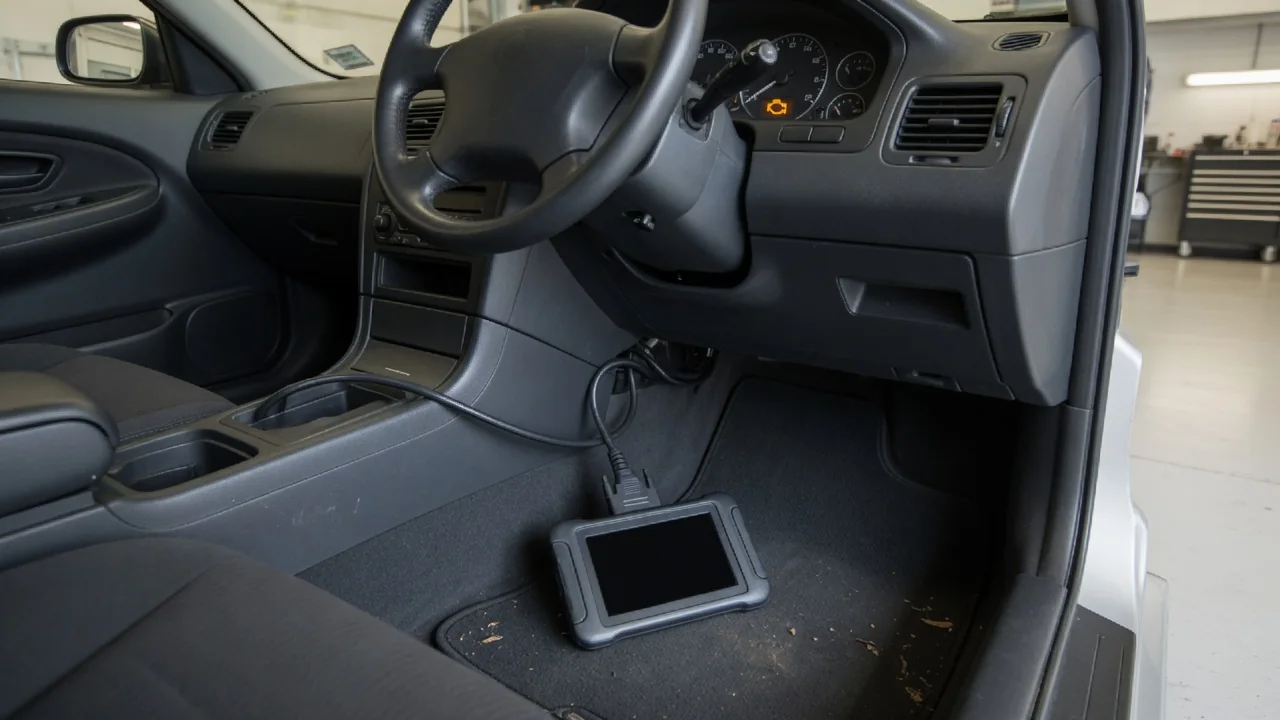
A P1259 code is a manufacturer-specific trouble code, so its meaning depends on the vehicle rather than on a single industry-wide definition. Before parts or repairs are considered, confirm the description using the make, model year, engine, and applicable service information. The stored condition is evidence of a detected operating state, not proof that a particular component has failed. Symptoms, testing, and repair all follow from that verified meaning.
Verify the Vehicle-Specific Meaning of P1259
Unlike many powertrain codes that share a common SAE definition, P1259 is manufacturer-specific and cannot be interpreted from the number alone. The same P1259 code can describe different systems on different brands, so the first task is to match the vehicle's make, model year, and engine to the applicable service information. That confirmation tells you which monitored condition set the flag and which tests, if any, apply. Skipping this step invites the wrong diagnosis from the start.
Some Honda applications associate P1259 with a VTEC system malfunction involving variable valve timing control, but that description belongs only to vehicles whose service information states it. Applying a Honda VTEC narrative to another make, or even to a Honda without confirmation, is not valid. A trouble code identifies a detected operating condition. It does not, by itself, prove which solenoid, sensor, oil circuit, or mechanical part needs replacement. Component decisions wait until the definition is confirmed and supporting evidence is collected.
Document Symptoms and Recognize Urgent Warning Signs
Once the meaning is verified, symptoms can be interpreted in that context rather than as a fixed set of complaints. Drivers may notice a check-engine light, reduced power, or unusual engine operation, yet none of those observations is guaranteed for every P1259 definition. Record what actually happened: when the warning appeared, whether it showed at startup, after the engine warmed, or under a particular load or speed, and whether drivability changed at the same time. Do not deliberately recreate a suspected fault.
Certain accompanying signs call for stopping rather than continued driving or troubleshooting. An oil-pressure warning, severe mechanical noise, overheating, or a substantial loss of power is a reason to pull over safely, shut the engine off, and arrange professional assistance. Those conditions can indicate lubrication or mechanical distress that is more urgent than a stored P1259 code. Note the warning lights, sounds, and operating circumstances as they occurred. Avoid further running until a qualified technician can evaluate the vehicle.
Identify Causes Relevant to the Confirmed Definition
When service information confirms an oil-controlled valve-system definition, lubrication details become relevant causes rather than generic guesses. Low engine oil level, degraded oil condition, inadequate supply pressure, or restricted passages can keep a variable valve timing arrangement from reaching the commanded state. Those factors apply only after the definition is confirmed for that vehicle. An oil-related shortfall can produce the stored condition even though the control command itself is electrically sound.
Control components, feedback devices, connectors, and wiring belong among possible causes only when they are part of the vehicle's documented system. A solenoid, switch, sensor, or harness fault can set P1259 if that circuit is what the control module monitors, but the same parts are irrelevant on a vehicle whose definition does not involve them. Each suspected cause needs evidence from inspection or testing. No component should be labeled the usual culprit without vehicle-specific information that supports that conclusion.
Make Safe Observations Before Clearing the Code
Before anyone clears P1259, save all stored and pending codes along with available freeze-frame data. Freeze-frame captures operating conditions at the moment the fault was recorded and can show whether the event occurred at idle, under load, at a particular temperature, or during a specific driving state. Companion codes may point to related systems that should be considered together. Once the memory is erased, that timing evidence is gone, which makes later electrical circuit diagnosis and repair verification harder.
Where oil condition is relevant to the confirmed definition, check engine oil level using the owner's manual procedure with the vehicle safely parked on level ground. Document recent oil service, the appearance of the oil if it can be seen on the dipstick, and any visible leakage around the engine. Limit underhood observations to accessible areas with the engine off and cool. Disassembly, electrical probing, and running-engine checks belong with a technician, not with informal underhood inspection.
Use Professional Testing to Establish the Fault
A technician starts from the confirmed P1259 definition, any accompanying codes, the manufacturer's service procedures, and the recorded operating conditions. Those inputs determine which tests are appropriate rather than a single universal sequence. Freeze-frame data and the customer's notes about when the check-engine light appeared help select idle, load, or temperature-related checks. The goal is to isolate the detected condition under controlled service methods, not to replace parts until the stored code disappears.
On applicable oil-controlled systems, specified oil pressure testing and commanded-operation checks show whether the hydraulic side can meet the control request. Those measurements belong in a shop setting with the correct tools and procedures; they are not informal running-engine experiments. Electrical circuit diagnosis then separates wiring faults, control-device problems, feedback-signal errors, and mechanical conditions. Establishing which of those paths actually failed is what authorizes a part or a repair, rather than assuming the actuator or sensor is bad because P1259 is stored.
Match the Repair to Findings and Confirm the Result
Repair follows the findings, not the code number. A documented oil issue may be corrected with the specified service and leak repair if those defects were confirmed. A verified circuit fault is repaired at the damaged connector, wire, or device. A component is replaced only after it fails the applicable tests for that vehicle. Erasing P1259 or temporarily extinguishing the warning light does not establish that the underlying fault is resolved, because the monitor may simply have been reset.
After work is complete, repair verification requires operating the vehicle under the manufacturer's specified conditions, reviewing whether P1259 or related codes return, and confirming that the previously noted symptoms have cleared. Ask the shop for the verified code definition, the test findings that justified the work, the proposed repair scope, and the verification results. Those records show that the repair matched the evidence rather than a generic parts swap. Keep copies of the saved freeze-frame and the post-repair scan for later comparison if the concern returns.