P1257 Code: Meaning, Symptoms, Causes, and Fixes
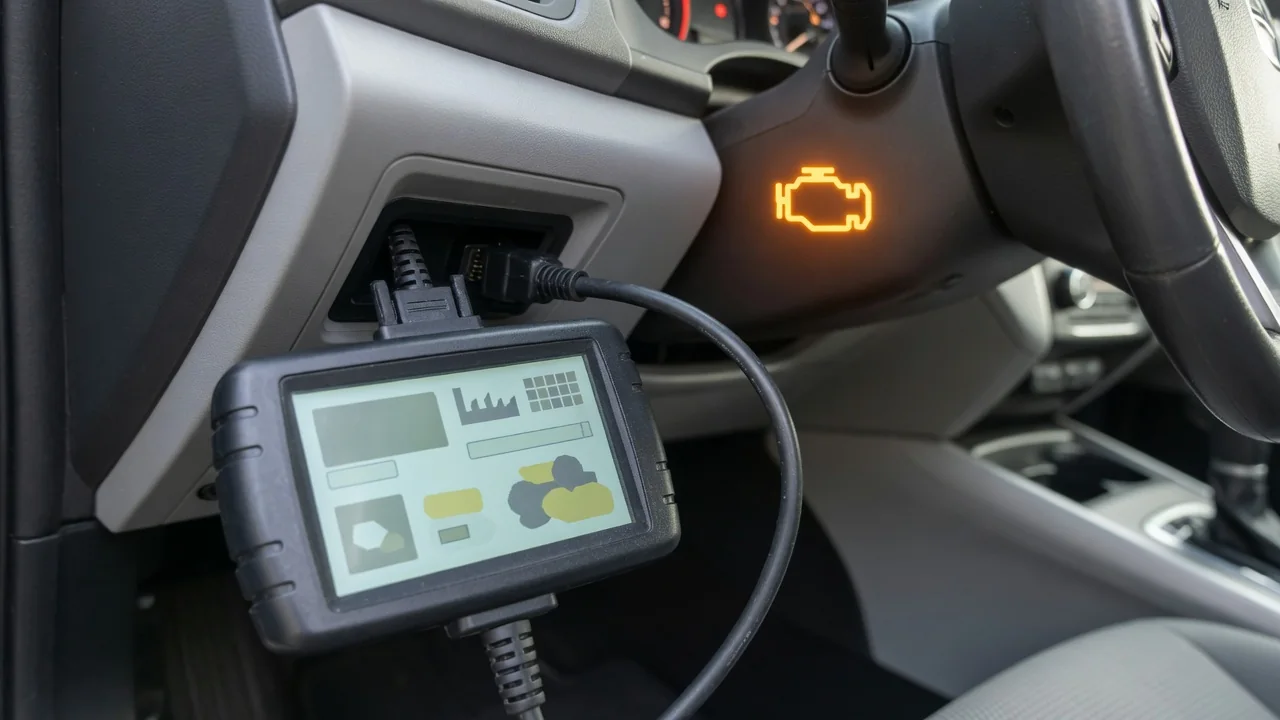
A P1257 diagnostic trouble code can be confusing because its meaning changes depending on the vehicle manufacturer. Unlike standardized P0xxx codes, P1xxx codes are manufacturer-controlled, so the same number may point to different systems in different brands. If your check engine light is on and a scan tool shows P1257, do not assume a single fault. You must confirm the exact definition for your make, model, year, and engine, along with any related symptoms, before drawing conclusions about the cause or repair.
What P1257 Means and Why It Differs by Manufacturer
P1257 is a manufacturer-specific trouble code, meaning its definition is assigned by the automaker and is not standardized across the industry. One brand might use it for a turbocharger overboost condition, while another could define it as an engine coolant over-temperature signal or a fuel pump control circuit issue. Because the same number can have entirely different meanings and repair procedures, the only safe approach is to verify the code in factory service information for the exact vehicle under diagnosis.
To confirm the definition, use a scan tool that includes manufacturer-specific code coverage or consult the vehicle's service manual or a factory database. A dealer or qualified independent shop with professional-level diagnostic equipment can also look up the code for your specific engine and controller. Avoid relying on generic online code lists or forum threads, as they may describe a P1257 from a different brand and mislead you into replacing parts that have nothing to do with your vehicle's actual fault.
Symptoms Drivers May Notice With a P1257 Code
The symptoms that accompany a P1257 code will depend entirely on the system that the manufacturer has linked to this number. The vehicle may show no noticeable change in behavior except for a steady check engine light, or it could exhibit rough idle, hesitation, reduced power, or unusual temperature gauge readings. A flashing check engine light is a more urgent signal of a possible misfire or catalyst-damaging condition and requires immediate attention.
When you first notice the code, pay attention to when the driveability changes occur. Does the engine act up only when cold, after warming up, under hard acceleration, or at highway speeds? Write down the conditions, outside temperature, and any warning messages in the instrument cluster. Those details help a technician reproduce the problem and focus on live data parameters that correspond to the confirmed P1257 definition rather than chasing an intermittent issue blindly.
When P1257 Needs Prompt Attention
Because P1257 has no universal meaning, the urgency of repair depends on the system involved after the definition is confirmed. If the code is accompanied by a flashing check engine light, engine overheating, strong fuel or electrical smells, or the vehicle enters a reduced power or limp mode, stop driving and have the vehicle towed to a repair facility. Continuing to operate the engine under those conditions can cause severe damage to the catalytic converter, cooling system, or internal components.
Even when the vehicle seems to drive normally, do not clear the code just to turn off the light before a diagnosis. The freeze frame data captured at the moment the code was set includes engine speed, coolant temperature, load, and other operating conditions that can reveal why the fault occurred. Clearing the code also erases that snapshot and may reset emissions readiness monitors, making it harder for a technician to trace the problem and potentially causing an inspection failure.
Possible Cause Categories to Discuss After Confirming the Definition
Once you have the manufacturer's exact definition for P1257 on your vehicle, you can begin to think about likely cause categories. These often include damaged wiring or loose electrical connectors in the related circuit, a faulty sensor or actuator that the code is monitoring, or issues within the engine control module itself. Because the same code could point to a coolant temperature signal on one car and a fuel pressure regulator on another, no single cause can be called most common.
Check whether any other diagnostic trouble codes are stored alongside P1257. Additional codes often narrow the fault to a specific circuit or system. For example, a communication code may point to a module network problem, while a sensor range code suggests a wiring or component issue. Also, ask a dealer if a technical service bulletin or software update applies to your VIN, but do not assume one exists simply because the code appears—many vehicles will never have a factory fix for that number.
Safe Checks Owners Can Do Before Visiting a Shop
Before taking the vehicle to a shop, you can perform a few safe checks that do not require mechanical skill. Start by reading and saving all stored codes, pending codes, and freeze frame data with an OBD-II scan tool. Record the mileage and the exact driving conditions when the light came on. Note whether the code returns immediately after clearing or only after a specific drive cycle, as that information helps the technician determine if the fault is continuous or intermittent.
With the engine off and cool, perform a careful visual inspection around the system indicated by the manufacturer's definition. Look for loose, corroded, or damaged wiring harness connectors, chafed insulation, or signs of rodent chewing near the relevant sensors or actuators. Do not open a hot cooling system, probe live electrical circuits, or reach near moving belts and fans. A basic code reader can show the code and freeze frame, but it cannot command actuators or view manufacturer-specific live data like a professional scan tool.
How a Professional Diagnoses and Repairs a P1257 Fault
A professional diagnosis starts by confirming the exact P1257 definition for the vehicle and reviewing factory service information and any related technical service bulletins. The technician then uses a manufacturer-level scan tool to view live data for the affected system, looking for values that do not match expected ranges. Electrical tests such as voltage drop, resistance, and continuity checks are performed on the wiring and components before any part is condemned. The goal is to prove the fault, not to guess from the code number.
Once the offending component or wiring fault is repaired, the technician clears the codes and performs a drive cycle to confirm the P1257 does not return. This may involve meeting specific speed, temperature, and time conditions set by the manufacturer. When you pick up the vehicle, ask the shop which definition applied to your car, what tests they ran, and what exact part or wiring issue was found. A trustworthy shop will explain the diagnosis without hiding behind a generic 'code cleared' report.