P1255 Code: Meaning, Symptoms, Causes, and Fixes
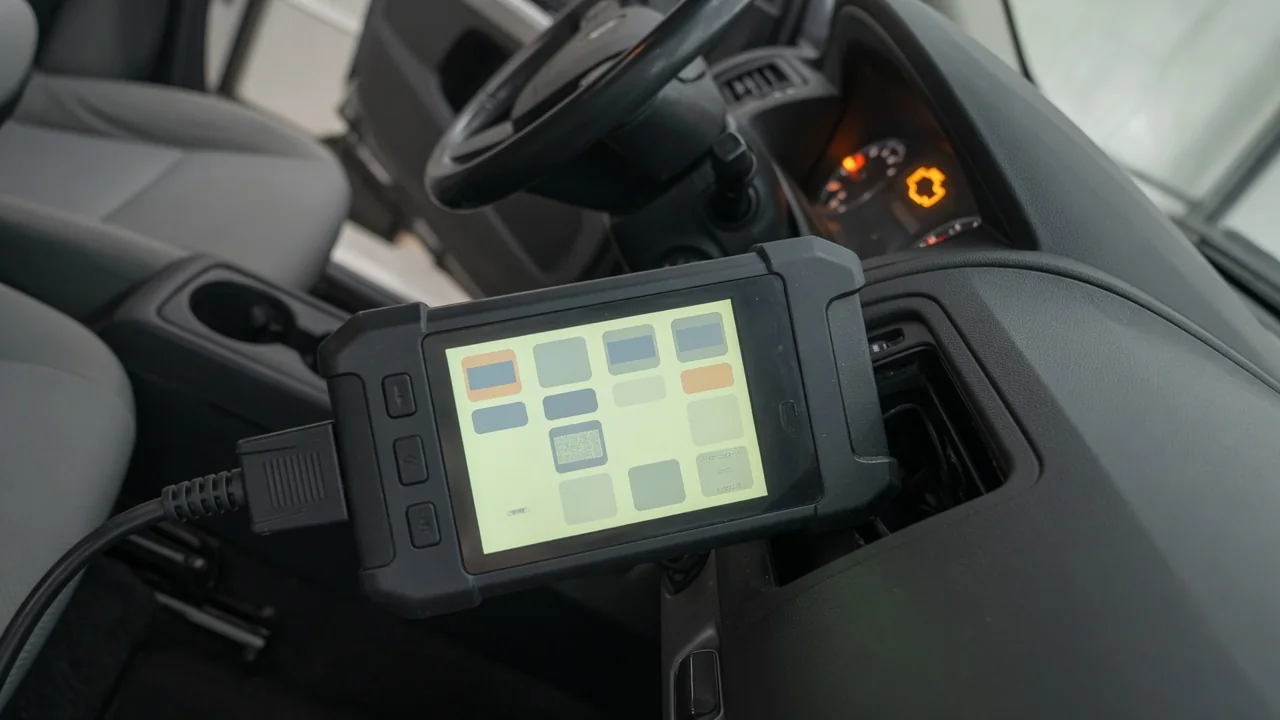
A P1255 code often leaves owners guessing because it belongs to the manufacturer-defined P1xxx range, so its meaning changes from one automaker to another. Without the correct vehicle-specific definition, a generic lookup can point toward the wrong system. This guide explains how to confirm what P1255 means for your car, what symptoms to watch, and why proper diagnosis matters before any repair.
What P1255 Means and Why Its Definition Depends on the Manufacturer
OBD-II trouble codes follow a standard structure: the first character indicates the system—P for powertrain—the second digit tells whether the code is generic (0) or manufacturer-specific (1), and the remaining three digits identify the fault. P1255 falls in the P1xxx range, meaning each vehicle maker assigns its own definition. For example, one brand may use P1255 for a throttle position sensor issue, while another ties it to a fuel pump control circuit, making a universal interpretation impossible.
Because P1255 is manufacturer-specific, any definition found without checking your exact vehicle can be misleading. A code listed for a different make or even a different model year may have no relation to your problem. Before reading any definition, have your make, model, year, and engine ready. This information narrows the correct meaning and prevents chasing a repair for a system that is not actually involved.
How to Confirm the Correct P1255 Definition for Your Vehicle
The most reliable way to confirm the P1255 definition is to consult manufacturer service information using your vehicle identification number (VIN). A dealer or a professional scan tool with enhanced manufacturer coverage can access the exact description, test steps, and any technical service bulletins. Basic generic code readers often show only a vague phrase like “manufacturer control” or no description at all, which does not help identify the fault.
Before clearing P1255, record the freeze-frame data, code status—pending, confirmed, or history—and any companion codes. Freeze-frame captures engine conditions when the fault occurred, such as engine speed and coolant temperature, giving valuable clues. Avoid relying on forum posts or definitions from another brand, because even codes that sound similar can point to completely different systems and lead to wasted time and parts.
Symptoms to Note When P1255 Is Stored
Symptoms with P1255 vary widely because the fault can involve many systems. Some drivers notice a check engine light, reduced power, rough idle, or changes in acceleration, while others experience no drivability difference at all. In some vehicles, the code may be the only clue, stored without any noticeable change in operation. This variability makes it even more important to confirm the exact definition for your car.
Keep a record of when symptoms occur: cold start, under load, at highway speed, or after refueling. These details help a technician narrow the possible circuit or component. However, symptoms alone cannot confirm what P1255 means on a particular vehicle. A rough idle could come from many sources, and pairing that observation with the wrong code definition can send diagnosis in the wrong direction.
Possible Cause Categories After the Definition Is Confirmed
After confirming the definition, possible causes typically fall into broad categories: a faulty sensor or actuator, damaged wiring or connectors, or a control module issue such as corrupted software. The verified meaning tells you which system to inspect—for example, a fuel pressure sensor circuit versus a turbocharger boost control solenoid. Without that confirmation, any guess about the cause is based on weak evidence.
Replacing parts based on the code number alone often wastes money because many conditions share the same code in different vehicles. Related codes stored at the same time can change the most likely explanation; for instance, a circuit code alongside P1255 might point to a shared power supply or ground. A thorough diagnosis looks at all stored codes and freeze-frame data before condemning any component.
How Professional Diagnosis of P1255 Typically Works
Professional diagnosis of P1255 typically starts by verifying the definition, then reviewing freeze-frame and live data to see how the suspected system behaves. The technician inspects the affected circuit visually for obvious damage and follows the manufacturer’s test procedure, which may include checking voltage, resistance, or signal output. Only after these steps can a part be judged faulty with confidence.
Checking for technical service bulletins or software updates is part of a thorough diagnosis, because some manufacturer-specific codes have known fixes that do not require part replacement. As an owner, you can safely look for visible damaged wiring, loose connectors, or recent repair work that might have disturbed a harness. Avoid probing electrical connectors or removing components, as this can create new faults.
Repair Approach, Driving Safety, and When to Get Help
The correct repair follows from the confirmed definition and test results, not from the code alone. Once the faulty component or wiring issue is identified, the repair may be as simple as tightening a connector or as involved as replacing a sensor or updating software. Always ask for a written estimate after diagnosis so you understand the proposed work and cost before approval.
Stop driving and seek help immediately if the check engine light is flashing, you experience severe power loss, overheating, unusual smells, or additional warning messages. Repairs involving fuel systems, high-voltage components, turbochargers, or other high-risk areas should be left to qualified technicians with the proper tools and training. Avoid DIY on these systems to prevent injury or further damage.
Clearing P1255 and Confirming the Fix
Clearing P1255 without performing a repair only hides the problem; the code will likely return once the fault is detected again. After a repair, the technician should clear the code and complete any required drive cycle so the readiness monitors run. If the fault is truly fixed, the code stays off and the monitors set to ready.
After normal driving, recheck for pending or returning codes using a scan tool. Some faults take several drive cycles to reappear, so a short test may not be enough. Keep records of the original codes, the confirmed definition, and all repairs done—this documentation helps future diagnosis and provides proof of maintenance when selling the vehicle.