P1253 Code: Meaning by Manufacturer, Symptoms, Causes, and Fixes
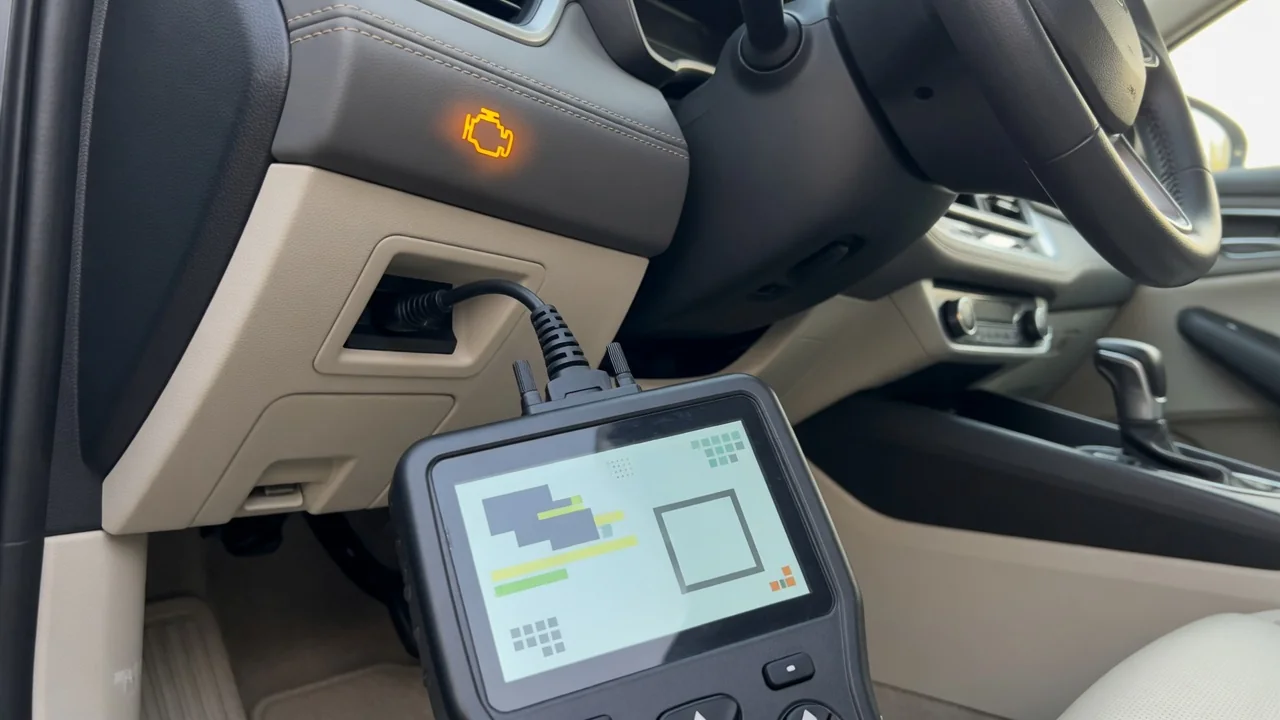
A P1253 code is one of the many manufacturer-specific trouble codes in the P1xxx range. Unlike generic OBD-II codes, P1253 can mean different things depending on the vehicle’s make, model, engine, and year. It may point to a fuel system issue, an emissions-related fault, or a sensor circuit problem. Because the definition varies, owners need accurate information for their exact vehicle before attempting any repair. This guide explains how to confirm the meaning, recognize symptoms, and approach diagnosis safely.
What P1253 Means and Why Its Definition Depends on the Manufacturer
P1253 falls within the P1xxx code group, which is reserved for enhanced diagnostic codes defined individually by carmakers. There is no single universal definition, so the same code can describe entirely different systems or circuits across brands. For example, one manufacturer might use it for an idle speed control fault while another ties it to a fuel pressure sensor circuit. This variability means generic code lists or forum posts are unreliable unless they specifically match your vehicle.
Because the meaning changes by make, model, engine, and year, you cannot safely assume what P1253 indicates without checking factory references. A code that points to a throttle actuator on one engine might relate to an evap system pressure sensor on another. Even within the same brand, different model years can assign different definitions. Always verify against reliable service information for your exact VIN before interpreting the code’s significance.
How to Confirm the Exact P1253 Definition for Your Vehicle
To confirm the precise P1253 definition, use an OBD-II scan tool that can read manufacturer-specific enhanced codes. Basic code readers often display only the generic code number without any description, while advanced scanners or professional diagnostic equipment provide the manufacturer’s definition and related freeze frame data. Ensure your tool is updated for your model year, because older software may have incomplete definitions.
The VIN, engine code, and model year are essential when looking up the meaning. The VIN provides vehicle-specific configuration details, while the engine code narrows down the calibration that controls diagnostic thresholds. Factory service information, a dealer service department, or a qualified independent shop with professional resources can give the confirmed description. Before clearing anything, save the freeze frame data and note any other stored or pending codes that may be present.
Symptoms Drivers May Notice With a P1253 Code
The most common sign of a P1253 code is an illuminated check engine light. In many cases, drivers notice no other obvious symptoms, especially if the fault is intermittent or affects a component that is not critical at that moment. However, because this code can relate to various systems, the absence of drivability problems does not mean the issue is minor. Some vehicles may store the code without turning on the light immediately.
Depending on which system the manufacturer links to P1253, you might notice general drivability changes such as rough running, hesitation during acceleration, reduced power, or altered fuel economy. These symptoms are not specific enough to confirm the cause, but they provide useful clues. Writing down when symptoms occur—such as during cold start, under load, or at highway speed—can help a technician focus the diagnosis and correlate the fault with operating conditions.
Possible Cause Categories and the Limits of Guessing
Possible causes for P1253 fall into broad categories. Wiring or connector faults are common, including damaged insulation, loose terminals, or corrosion that increases resistance. Sensor or actuator problems can occur when a component drifts out of specification or fails internally. Control module issues may involve software glitches, corrupted calibration data, or internal hardware faults. In some cases, related mechanical faults—like a vacuum leak or restricted passage—can cause a sensor reading that triggers the code.
Replacing parts based on the code alone often wastes money and may not fix the problem. A P1253 code is evidence that a diagnostic test failed, not proof that a specific component is defective. Other stored codes should be examined together with P1253, because they can point to a common root cause such as a shared power supply or ground. Before buying any part, the circuit or component must be tested using the manufacturer’s diagnostic procedure.
Safe Checks You Can Make Before Visiting a Shop
With the engine off and cool, you can make visual observations around the wiring and connectors that may be associated with the system indicated by the code. Look for obviously damaged, loose, or corroded connectors near the relevant area. Check for chafed wires, melted insulation, or signs of rodent damage. Also note any recent work, aftermarket parts, or battery disconnections that could have disturbed a connector or caused a stored fault.
Clearing the code and watching whether it returns gives limited information and does not count as a repair. An intermittent fault may not reset immediately, and clearing the code also erases valuable freeze frame data. Only safe visual checks should be performed by a do-it-yourselfer; exclude any electrical probing, fuel system work, or tasks that require lifting the vehicle or working near a running engine and moving parts. Professional diagnosis is needed for anything beyond simple inspection.
How Professionals Diagnose and Repair P1253
Professionals begin by confirming the exact definition of P1253 for the specific vehicle using factory service information. They review freeze frame data to see the operating conditions when the fault occurred, then monitor live data to observe sensor readings and actuator commands. Following the manufacturer’s diagnostic procedure, they test circuits and components step by step to isolate the root cause. Technical service bulletins and software updates are checked because known issues may provide a quicker fix.
The repair depends on what testing confirms. It could be as simple as repairing a damaged wire or cleaning a corroded connector, or it could require replacing a sensor, an actuator, or even a control module. In some cases, reprogramming a module with updated software resolves the issue. Before approving any parts replacement, ask the shop which test result confirmed the fault. A reputable technician should be able to explain the evidence that led to the recommended repair.
Driving With a P1253 Code: When to Get Help Promptly
How urgent a P1253 code is depends on the manufacturer’s definition for your vehicle. Because the code can relate to systems that affect emissions, fuel control, or engine performance, you should not assume it is harmless. If the check engine light is flashing, the vehicle enters reduced-power mode, or it runs noticeably worse, get professional help promptly. A flashing light often indicates a misfire that could damage the catalytic converter if ignored.
Ignoring an active fault can cause an emissions inspection failure and may lead to further problems such as catalytic converter damage or poor fuel economy. Before visiting a shop, confirm the definition for your exact vehicle, record any stored data, and make only safe visual checks. A short checklist helps: verify the code description using reliable information for your VIN, note freeze frame and other codes, avoid clearing the code until it has been diagnosed, and have a professional perform the necessary testing.