P1249 Code: Verify Its Meaning, Symptoms, and Repair Path
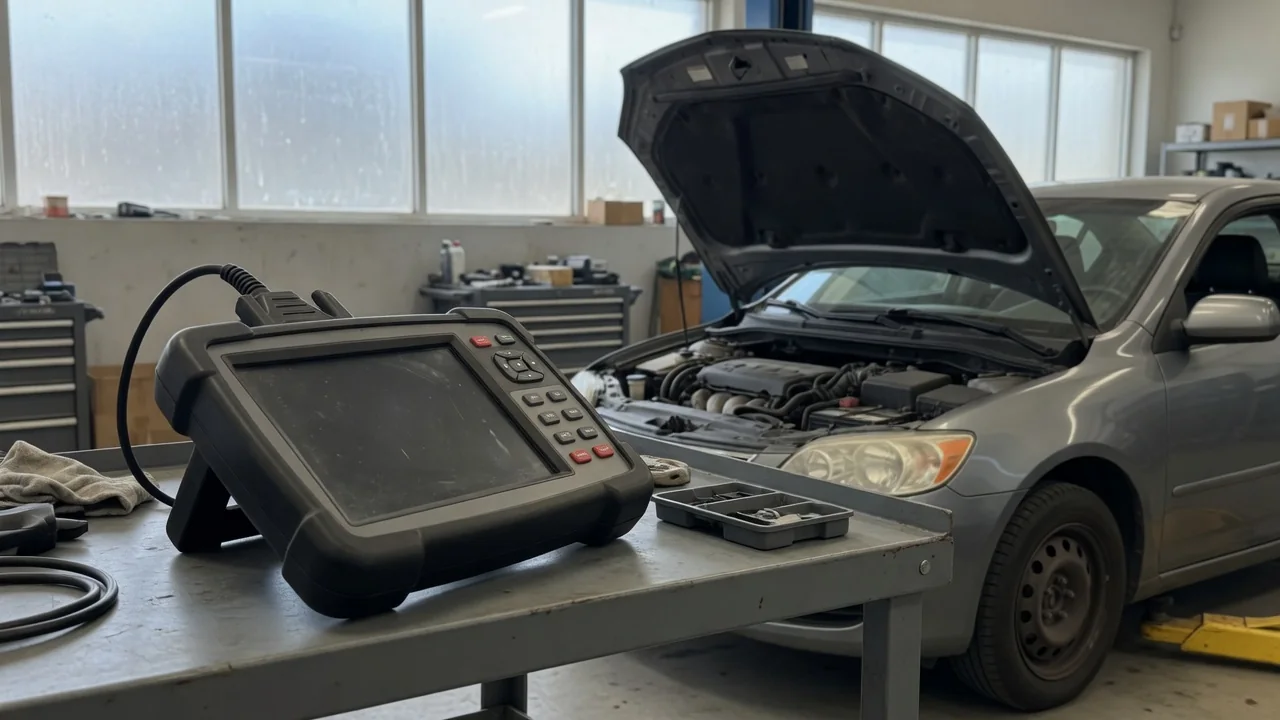
A P1249 code can leave a driver unsure what is wrong because the definition changes between vehicle manufacturers. Unlike standardized OBD-II diagnostics, this manufacturer-specific diagnostic trouble code requires the vehicle identification number and applicable service information to interpret correctly. Checking the exact vehicle application first prevents mistaken repairs. The following sections explain how to verify the meaning, record symptoms, narrow possible causes, gather useful data safely, and confirm a repair.
Verify the Vehicle-Specific Meaning of P1249
P1249 is not a universal fault that points to the same component on every car or truck. Depending on the make, model, year, and engine, the code can be defined for a turbocharger wastegate, a fuel pressure sensor, an injection pump controller, or another monitored circuit entirely. Generic scanner descriptions often show only a broad label such as 'manufacturer control' and cannot replace the manufacturer service information for that specific vehicle.
Record the complete vehicle details before acting on the code. The vehicle identification number helps identify the exact engine calibration and control module software, which can alter the P1249 definition even within the same model year. Without this confirmation, symptoms and diagnostic steps may be misdirected. All later guidance in this article is conditional on first establishing the correct meaning from the applicable repair manual or dealer service data.
Symptoms and Warning Signs to Record
A stored P1249 code may appear with an illuminated malfunction indicator lamp and no obvious change in how the vehicle drives. The driver might notice only the warning light during a routine trip. Because the code is a request for diagnosis rather than a symptom list, the absence of noticeable behavior does not rule out an underlying condition or an intermittent fault that the control module detected.
Note any loss of power, rough running, unusual noise, or starting difficulty without assuming they are universal P1249 symptoms. Record when the issue occurred: during startup, warm operation, acceleration, or steady cruising. Severe power loss, overheating, smoke, or a flashing malfunction indicator warrant stopping safely and seeking assistance. Ordinary driving data gathered in a notebook can later help a technician correlate conditions with the stored code and freeze-frame information.
Possible Causes After the Definition Is Confirmed
After the P1249 definition is confirmed for the vehicle, possible causes are organized around the specific system the code monitors. For example, if the definition references a turbocharger boost control circuit, wiring, connectors, the control solenoid, vacuum or pressure lines, and mechanical wastegate operation can all contribute to a detected fault. If the definition references a fuel delivery sensor, supply voltage, signal return, and mechanical pump output may be relevant.
A detected operating condition is not proof that a particular component has failed. The control module may set P1249 because a measured value fell outside an expected range, but the root cause could be a poor connection, a partially blocked passage, or an intermittent signal. Avoid ranking causes as common or recommending replacement parts without vehicle-specific evidence. The confirmed service procedure typically lists tests that isolate electrical, control, or mechanical possibilities.
Safe Information to Gather Before Diagnosis
Before diagnosis, record the exact code, the scanner description, whether the code is a pending or confirmed code, and any accompanying codes. A pending code indicates a condition observed but not yet verified over enough drive cycles; a confirmed code means the fault has met the enabling criteria. Accompanying codes can point to shared power supplies, ground circuits, or related sensor systems and should be preserved in the same note.
Save freeze-frame data before clearing codes or disconnecting the battery. This data captures operating conditions such as engine speed, coolant temperature, and fuel trims at the moment the fault was recorded. Document recent repairs, maintenance, and the timing of the first warning without assuming a causal connection. Limit owner observations to safely accessible areas with the vehicle parked and engine off; probing circuits, disconnecting lines, and reaching near hot or moving components are not appropriate tasks for a roadside inspection.
How Professional Testing Narrows the Fault
Professional testing uses the verified P1249 diagnostic procedure and the correct vehicle configuration to choose relevant tests. The procedure may call for checking wiring continuity, connector terminal tension, reference voltages, or scan tool live data such as actual versus desired values in the monitored system. The technician selects tests based on the confirmed definition and the vehicle's control module strategy rather than a generic code chart.
Accompanying codes, operating conditions from the freeze-frame record, and live data can guide diagnosis without independently proving the cause. For example, a code that appears only during cold start may direct attention to temperature-dependent circuits. Intermittent faults may require further observation with a scan tool that can record data over a drive cycle. Deliberately reproducing unsafe driving symptoms such as full-throttle acceleration or steering maneuvers is inappropriate and can mask the original condition.
Repair Decisions and Confirmation That the Fault Is Resolved
Repairs should be tied to confirmed test results rather than treating P1249 as a parts replacement instruction. If testing shows a wiring terminal is corroded, repairing the terminal is the correct action; if testing shows a sensor output is unstable only when hot, replacement may be justified after ruling out connector and harness issues. Clearing the code alone does not repair the underlying condition, and the fault may return after a complete drive cycle.
Post-repair checks use the applicable service procedure, code status, and relevant operating data. After the repair, the technician may monitor live data to confirm the measured value now stays within expected limits and verify that readiness monitors have run without storing a new code. If the code returns, reassess the original evidence and diagnostic findings before authorizing additional parts. A repeated fault often means the first test results were misinterpreted or an overlooked condition remains.