P1248 Code: Meaning, Symptoms, Causes, and Fixes
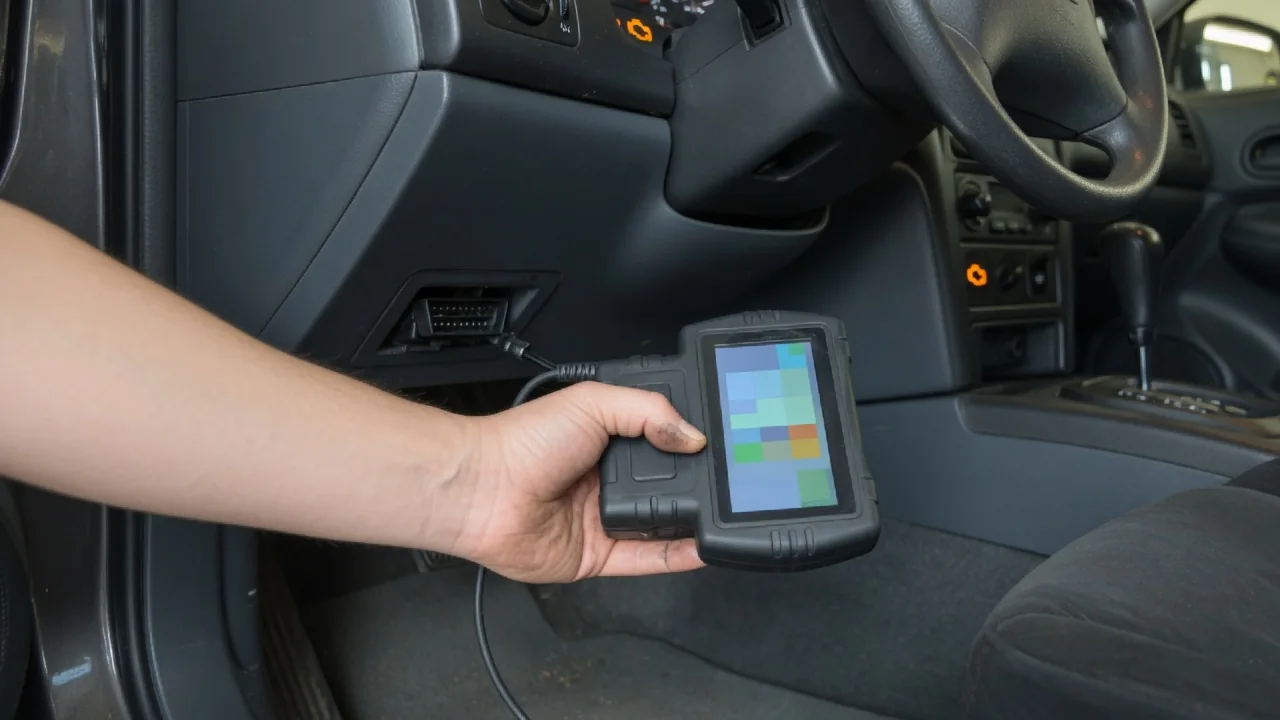
A P1248 code is a manufacturer-specific trouble code, meaning its definition changes depending on the vehicle make, model, year, engine, and even fuel type. Because of this, the same code can point to very different systems in different cars. To diagnose it correctly, you must identify the exact definition for your vehicle using a scan tool that reads enhanced manufacturer data or official service information. Without that confirmation, any symptoms, causes, or fixes you read might not apply to your car.
What the P1248 Code Means and Why It Varies by Manufacturer
P1248 belongs to the P1xxx range, which automakers use for vehicle-specific diagnostics. Unlike generic P0xxx codes, there is no single universal meaning. For example, one brand might use P1248 for a turbocharger boost control issue, while another uses it for a fuel pressure sensor circuit fault. A bare internet search for the code can therefore produce definitions that don't fit your car. Always confirm the code against factory information for your exact vehicle.
Before looking up the meaning, record the full vehicle identification number, engine type and displacement, fuel type (gasoline or diesel), and any other stored or pending codes. These details help narrow down the correct definition because manufacturers often reuse the same code number for different engines or model years. A professional-grade OBD-II scanner with enhanced manufacturer coverage can display the code definition directly. Without these specifics, even a correct-looking explanation may lead you down the wrong diagnostic path.
Symptoms Drivers May Notice With a Stored P1248
The symptoms of a stored P1248 depend entirely on which system the manufacturer's definition points to. Common signs include an illuminated check engine light, reduced power or limp mode, rough idling, hesitation during acceleration, hard starting, or a drop in fuel economy. Some drivers notice nothing at all because the fault affects a component that isn't used during normal driving. If the light is steady, the car often remains drivable for a short time, but it should be checked soon.
A flashing check engine light indicates a more serious condition, usually one that can damage the catalytic converter or cause dangerous misfires. If you see it flashing, reduce engine load immediately, avoid heavy throttle, and have the vehicle inspected without delay. Note when the symptoms occur: engine temperature, load, weather conditions, and whether the light comes and goes. These observations help a technician reproduce the fault and reach a diagnosis faster.
Possible Causes Depending on the Confirmed Definition
Once the exact definition is confirmed, possible causes generally fall into a few broad categories: sensor signal faults, wiring or connector problems, actuator or control issues, and module or software conditions. For example, a sensor may have failed internally, its circuit may be shorted or open, or the engine control module may have a programming error. The code itself only tells you what the control module detected—such as a voltage reading outside the expected range—not which part has actually failed.
Other factors can also trigger or complicate the code. Low battery voltage can cause sensors to read incorrectly, recent repairs may leave a connector loose, or a disconnected component during service could set a temporary fault. Before assuming a major failure, consider what changed recently. Never rank causes by how common they might be or claim a typical failure rate without specific vehicle data. The only way to know is through systematic testing based on the factory diagnostic procedure.
Safe First Checks Before Professional Diagnosis
Before taking the car to a shop, perform a full system scan with a scan tool that can save freeze frame data and display every stored and pending code, not just P1248. Freeze frame data captures the operating conditions when the code set—engine speed, temperature, fuel trim, and more—which can point to the fault. Pending codes show intermittent issues that haven't yet turned on the light. Record all of this information or save it to the tool before clearing anything.
With the engine off and cool, you can safely inspect easy-to-reach areas for obviously loose connectors, damaged wiring, or disconnected hoses. Do not touch hot exhaust parts, high-pressure fuel lines, or anything near moving engine components. Clearing the code without saving the data first erases valuable clues and makes diagnosis harder. If the code returns after clearing, that confirms a consistent fault is present. Also ask a dealer if any technical service bulletins or software updates apply to your vehicle, though no specific bulletin can be assumed.
How Technicians Diagnose P1248
Professional diagnosis begins with confirming the manufacturer definition for the exact vehicle, then following the factory diagnostic steps in the service manual. A technician will use a scan tool to view live data from the suspected sensor or actuator, looking for values that fall outside normal range. They may also use a digital multimeter or oscilloscope to test the circuit wiring, connectors, and component itself. Following the prescribed sequence prevents unnecessary part replacement.
A basic code reader can retrieve the code and clear it, but it cannot display enhanced manufacturer data, perform bidirectional control, or access all module information. These capabilities are often needed for complex diagnostics. Technicians confirm the root cause before replacing any part, because even a code that says 'sensor circuit' can be caused by broken wiring, a corroded connector, or a failed control module. After a repair, some vehicles require a relearn procedure or software calibration to fully resolve the issue.
Repair Approach and Whether It Is Safe to Keep Driving
The repair path depends on the confirmed cause. It might involve repairing damaged wiring, replacing a sensor or actuator only after testing proves it faulty, or updating engine control module software. Some repairs are simple and inexpensive; others require removing intake components or accessing hard-to-reach connectors. Without knowing the exact vehicle and root cause, you cannot estimate cost or labor time. Always ask for a detailed diagnosis before authorizing work.
Whether it's safe to keep driving depends on the symptoms. If the check engine light is steady and the car runs normally, short trips may be acceptable. But if the light is flashing, the engine is in limp mode, stalling, overheating, or you smell fuel or hear unusual noises, stop driving and have the vehicle towed. After any repair, the technician should clear the code, then test drive under the same conditions that set it and perform a follow-up scan to confirm the code does not return.