P1244 Code: Meaning, Symptoms, Causes, and Fixes
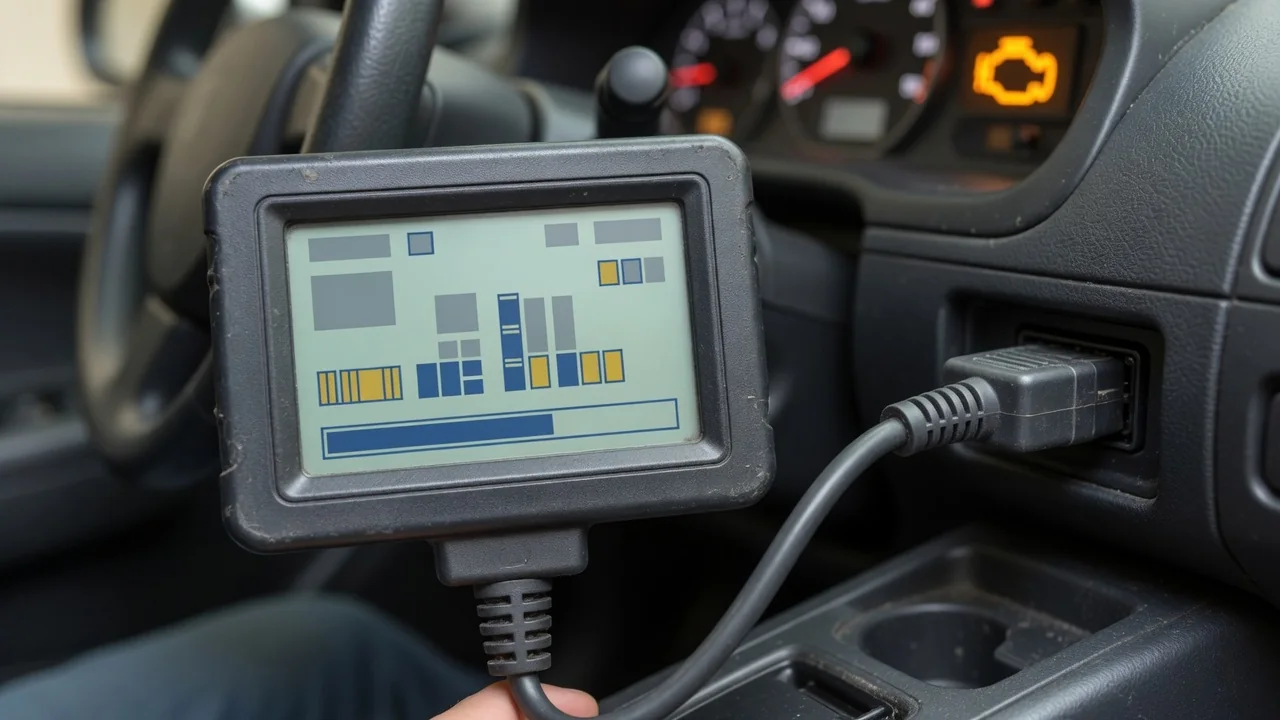
When a check engine light illuminates and a scan tool reveals a P1244 code, the first step is not to guess at the repair. Because P1xxx codes are manufacturer-specific, the same number can point to different circuits on different vehicles. Acting on a generic online definition may send even an experienced mechanic toward the wrong system. This guide explains how to confirm the meaning for your vehicle, recognize possible symptoms, diagnose the fault safely, and decide whether you can continue driving or should seek professional help.
What P1244 Means and Why the Definition Depends on Your Vehicle
P1244 is not a universal diagnostic trouble code. Unlike standardized P0xxx codes, P1xxx codes are reserved for manufacturer-specific definitions, meaning P1244 can represent different monitored circuits or conditions depending on the automaker. For example, one brand may use it for a fuel pump control circuit issue, while another ties it to a turbocharger wastegate position sensor or an alternator field duty cycle concern. Without the exact vehicle application, any assumption about the code's meaning is unreliable.
Before researching the definition, record all available data from the scan tool. Note the full code, whether it is stored as current or history, any freeze-frame information such as engine speed, temperature, and load at the moment the fault set, and any companion diagnostic trouble codes. These details often point to the operating conditions that triggered the code. Then confirm the P1244 definition for the exact make, model, year, and engine using factory service information or a scan tool that reads enhanced manufacturer codes rather than a generic code library.
Symptoms Drivers May Notice With a P1244 Code
Because P1244 can correspond to different circuits, the symptoms a driver experiences depend entirely on what the manufacturer has assigned to this code. If the definition involves a fuel system component, the engine may run rough, hesitate, or stall. If it relates to a charging system or electrical load circuit, you might see battery warning lamps, dimming lights, or accessory failures. Some P1244 definitions link to emission control or turbocharger circuits, which can alter boost pressure or trigger additional warning messages.
In some vehicles, a P1244 may store no noticeable symptom at all beyond the illuminated check engine light. The fault could be intermittent, appearing only under specific conditions such as a cold start, extended idle, high electrical demand, highway speed, or after rain or washing when moisture enters a connector. Keeping a log of when the code appears and what the vehicle was doing helps a technician reproduce the condition later and narrows the possible causes far more than the code alone can.
Possible Causes Once the Definition Is Confirmed
Once the manufacturer-specific definition is confirmed, likely causes become clearer because they are tied to the circuit or system named in that definition. A P1244 for a sensor circuit often results from damaged wiring, chafed insulation, loose terminals, or corrosion inside connectors. If the definition points to an actuator such as a solenoid or motor, a mechanical binding or internal electrical failure may be possible. Poor ground connections or inadequate supply voltage to a module or sensor can also set electrical fault codes.
Low battery voltage or charging system problems can create misleading P1244 codes on many vehicles. When system voltage drops below expected thresholds during cranking or high electrical load, a module may incorrectly interpret the condition as a circuit fault. Before condemning a sensor or actuator, a technician will usually verify battery state of charge and alternator output. Control module software glitches may also store manufacturer-specific codes that are resolved with an update rather than a parts replacement, but this must be confirmed through service information.
How to Diagnose P1244 Safely and Methodically
Begin diagnosis by confirming the definition in factory service information and checking for related codes. A companion code can reveal whether the P1244 is a primary fault or a reaction to another problem. Review freeze-frame data to understand the engine speed, temperature, and load when the fault set. Then use a scan tool that can read live data for the specific circuit, watching for values that are implausible, stuck, or slow to respond. This step often distinguishes a wiring issue from a genuine sensor or actuator failure.
Perform a careful visual inspection with the engine off and cool. Trace the relevant wiring harness for damage, chafing, or signs of melting. Unplug connectors and look for corrosion, bent pins, or water intrusion. Check for fluid leaks that might contaminate a sensor or its wiring. Manufacturer technical service bulletins may describe known issues for the exact vehicle and code, but their existence should not be assumed. If the fault remains unresolved after these checks, professional testing with a digital multimeter, oscilloscope, or factory-level scan tool may be required to measure circuit resistance, voltage drops, or module communication.
Repair Approaches and What to Avoid
The correct repair depends on the root cause verified during diagnosis. If a wiring harness is chafed or a connector is corroded, repairing the wire or replacing the terminal may resolve the code. A sensor or actuator should be replaced only after testing confirms it is faulty. In some cases, a software update for the engine control module may be the specified remedy. Always confirm part compatibility with the manufacturer or a qualified parts source using the vehicle identification number.
Avoid replacing parts based on guesswork, as this can be expensive and may not clear the code. High-current electrical repairs, wiring near airbag components, and module programming should be left to qualified technicians because of the risk of injury or further damage. After completing a repair, clear the code only after fixing the cause. Then drive the vehicle under the conditions that originally set the fault and recheck with a scan tool. If the code stays away through several drive cycles, the repair is likely successful.
Is It Safe to Drive With P1244, and When to Get Help
Whether it is safe to continue driving with a P1244 code depends on the confirmed definition and any accompanying symptoms. If the code relates to a minor emission or convenience circuit and the vehicle drives normally, you may be able to schedule a diagnosis without immediate risk. However, if the definition involves a critical system such as fuel delivery, charging, or engine control, continuing to drive could lead to stalling, no-start, or further damage.
Stop driving and seek professional help if you see warning lights for charging, temperature, oil pressure, or brakes, or if the engine stalls, loses power, or produces burning smells. A code that keeps returning after being cleared, or that appears only intermittently, often requires professional diagnosis with advanced tools to trace the fault. When visiting a technician, provide the exact code, freeze-frame data, a log of symptoms, and any work already performed. This information reduces diagnostic time and helps prevent unnecessary parts replacement.