P1241 Code: Meaning, Symptoms, Causes, and Fixes
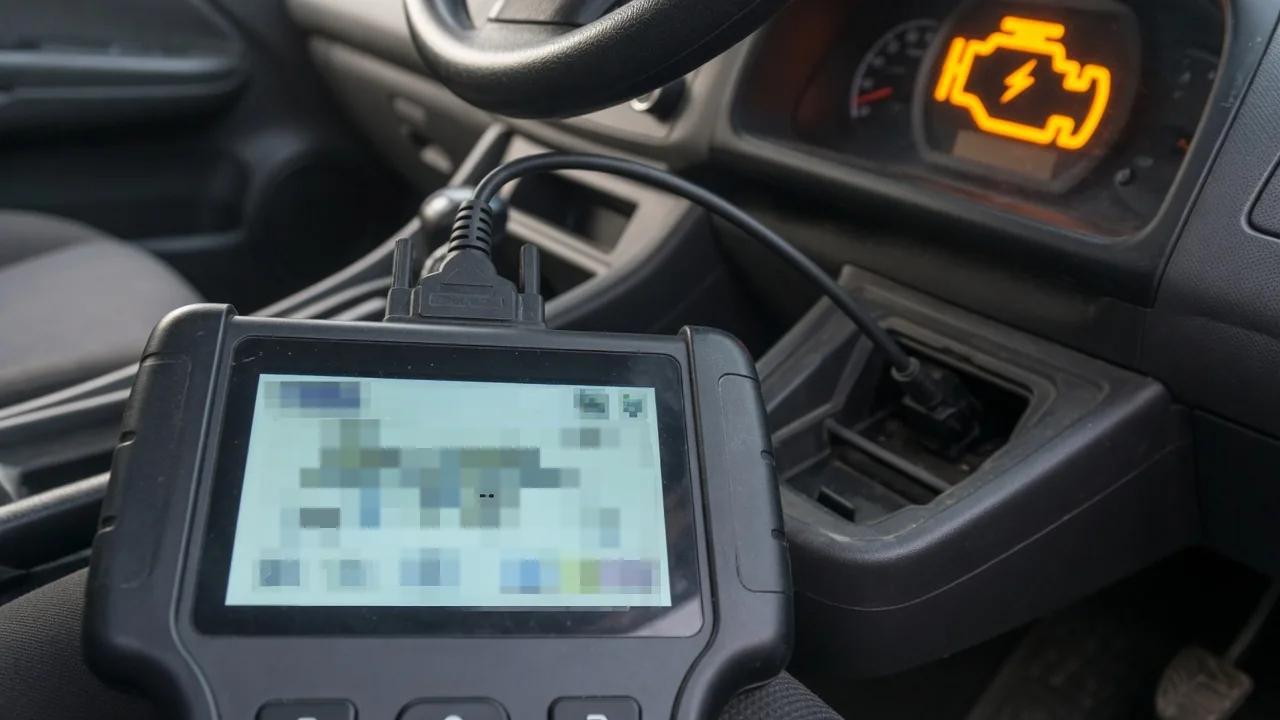
A P1241 trouble code can appear on many vehicles, but its meaning is not universal. Because it is a manufacturer-specific OBD-II diagnostic code, the same number may point to different systems in different makes, models, and years. Drivers often see a check engine light and wonder what failed. Before replacing any part, confirm the exact definition for your vehicle. This article explains how P1241 is assigned, how to read it correctly, what symptoms may appear, and how to approach diagnosis and repair.
What P1241 Means and Why the Definition Depends on the Manufacturer
The P1241 code belongs to the P1xxx range, which is reserved for manufacturer-specific trouble codes. Unlike generic P0xxx codes that follow a standard set by the Society of Automotive Engineers, P1xxx codes are defined by each automaker independently. As a result, P1241 can refer to a turbocharger boost pressure condition on one vehicle, a fuel system issue on another, or an entirely different circuit on a third. This variability means that a definition found in a generic code list may not apply to your car.
To interpret P1241 correctly, you need the factory service information for your exact make, model, year, and engine combination. Reliable sources include the manufacturer's service manual, a dealership service department, or a professional-grade scan tool that includes manufacturer-specific code definitions. Generic OBD-II readers often show only "manufacturer control" or a vague description. Relying on forum posts or generic online databases can send diagnosis in the wrong direction, potentially leading to unnecessary parts replacement and wasted time.
Reading P1241 Correctly With a Scan Tool
A basic OBD-II reader may display the code number and a brief generic label, but that is often insufficient for P1241. A scanner with enhanced manufacturer-specific support can retrieve the exact code text programmed by the automaker, along with freeze frame data, code status, and any companion codes. Freeze frame data captures engine operating conditions at the moment the fault was detected, such as engine speed, coolant temperature, and fuel trims. This information helps a technician reproduce the failure and compare live data against the stored snapshot.
Before clearing any code, record all retrieved information: the exact code description, freeze frame data, whether the code is pending, confirmed, or history, and any other codes stored at the same time. Related codes often matter more than P1241 alone because they can point to a shared power supply, ground, or communication issue. Clearing the code without saving this data erases valuable diagnostic evidence. A pending code means the fault occurred recently but has not yet met the criteria to turn on the check engine light, while a history code indicates an intermittent problem.
Symptoms Drivers May Notice With P1241
Because P1241 is manufacturer-specific, symptoms depend on which system the automaker has assigned to that code number. There is no fixed symptom list that applies to every vehicle. Drivers may see a check engine light or a related warning message, but some faults produce no noticeable drivability change at all. In other cases, the vehicle may exhibit rough running, reduced power, poor fuel economy, or difficulty starting. Noting exactly when the problem occurs—such as during a cold start, after warm-up, under heavy load, or at idle—can help a technician narrow the cause.
If the check engine light is flashing, the engine is losing power, or there are unusual smells or overheating, the vehicle should be stopped safely and checked promptly. A flashing check engine light usually indicates a severe misfire that can damage the catalytic converter. Loss of power or overheating can create dangerous driving conditions. These symptoms are not specific to P1241 but require immediate attention. For less urgent symptoms, documenting the conditions and reading the code with a capable scan tool is a reasonable first step before scheduling service.
Possible Causes and the Limits of Guessing
The possible causes of P1241 follow directly from the confirmed manufacturer definition. Common categories include sensor faults, wiring or connector problems, and control module issues. For example, if P1241 relates to a boost pressure sensor circuit, causes might be a failed sensor, a broken wire, a corroded connector, or a faulty engine control module. However, a diagnostic trouble code identifies a circuit or condition that the computer has detected, not a specific failed part. The code proves that the monitored value fell outside the expected range, but it does not prove which component caused the deviation.
Replacing parts based on the code alone without testing is risky and often wasteful. A technician must perform circuit tests, compare live data to specifications, and rule out simple issues like low battery voltage or charging system problems. Many vehicles store misleading codes when system voltage drops below a threshold, so checking battery health and alternator output can sometimes explain an otherwise puzzling P1241. Guessing at the cause without confirmation can lead to multiple unnecessary repairs and may not resolve the original fault.
Safe Checks You Can Make Before Visiting a Shop
With the engine off and cool, you can perform visual checks around the suspected area. Look for obvious damaged wiring, loose or corroded electrical connectors, and disconnected hoses. Rodent damage, cracked insulation, and green or white corrosion on connector pins are common causes of circuit faults. If the manufacturer definition for P1241 points to a specific sensor or actuator, inspect its wiring and connector carefully. Do not attempt to probe live circuits or disconnect components while the engine is running unless you have proper training and equipment.
Check with a dealer or an online service information source to see if there are technical service bulletins or software updates related to the confirmed P1241 definition for your vehicle. A bulletin may describe a known issue and a specific repair. After any basic inspection, clear the code only if you have recorded the data, then drive the vehicle through a normal drive cycle. If the code returns as pending or confirmed, that suggests an active fault. Do not bypass sensors, work near hot or moving parts, or use sharp probes on sealed connectors, as these actions can cause damage or injury.
When P1241 Needs Professional Diagnosis
Confirming a circuit fault often requires access to wiring diagrams, specification values, and tools such as digital multimeters or oscilloscopes. A professional technician begins by verifying the manufacturer-specific definition for your vehicle, then reads live data to see how the monitored value behaves under real conditions. Pinpoint tests may include checking power and ground at the suspected component, measuring sensor output, and testing wire continuity and resistance. The technician may also check for software updates or technical service bulletins that apply to the code.
Schedule a shop visit promptly if the vehicle has drivability problems, the code returns after repairs, or multiple related warning lights are illuminated. Bringing recorded scan data and detailed symptom notes can reduce diagnostic time and cost. A clear description of when the problem occurs—cold start versus warm engine, idle versus load, steady versus intermittent—helps the technician reproduce the fault. The professional can then follow a logical test plan rather than starting from scratch, which often leads to a faster and more accurate diagnosis.
Fixing the Fault and Confirming the Repair
The repair depends on the tested cause. A wiring repair, connector service, component replacement, or software update may all be valid solutions for P1241, but only after the fault is confirmed. After completing the repair, the technician clears the code and completes a drive cycle to verify that the fault does not return. A drive cycle typically includes a cold start, a mix of city and highway driving, and a period of idling. The exact procedure varies by manufacturer, so using the specified drive cycle for your vehicle is important for accurate verification.
After codes are cleared, readiness monitors may need time to complete before the vehicle will pass an emissions inspection. Readiness monitors are internal self-tests that run under specific driving conditions. If a monitor is not ready, the inspection station may reject the vehicle. Driving the vehicle normally for a few days often completes the monitors, but the exact drive cycle should be followed. Keep records of the original codes, tests performed, parts replaced, and dates. If the problem returns, this history helps the technician see whether the repair addressed the root cause or whether a new issue has developed.