P1239 Code: Verify Its Meaning, Symptoms, and Repair Path
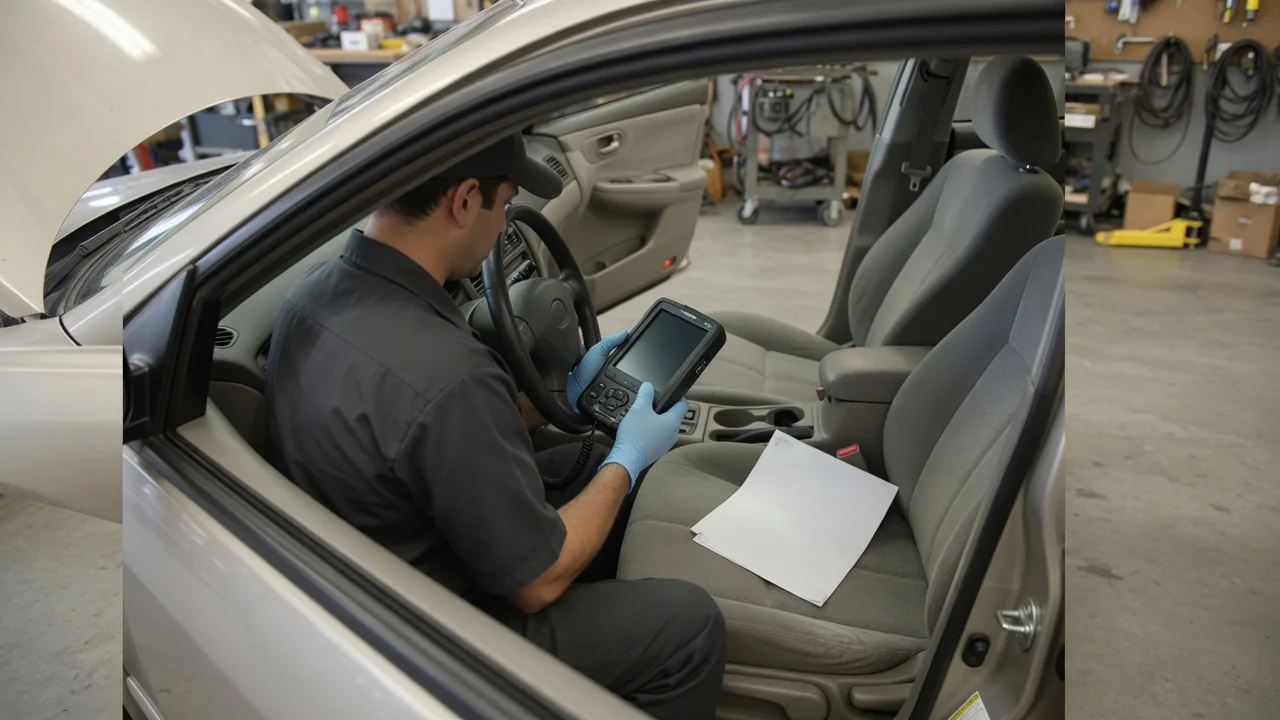
P1239 is a manufacturer-specific trouble code, so its meaning is not shared across every make and model. Before treating the P1239 code as a failed part, confirm the exact definition for the vehicle year, make, model, engine, and powertrain using service information tied to the vehicle identification number. Symptoms, causes, and repairs follow from that confirmed definition, freeze-frame data, and diagnostic trouble code status rather than from a generic scanner label.
Verify What P1239 Means for the Exact Vehicle
The P1239 code belongs to the manufacturer-specific range, which means it is not a universal OBD-II definition that names one shared sensor, circuit, or failure on every vehicle. Two similar powertrains from different brands can assign P1239 to entirely different systems, and even related models from the same maker can change the definition by year, engine, or transmission. Interpreting the code as a named part or a known repair package without that context leads to the wrong tests and the wrong parts.
Start with the vehicle year, make, model, engine, and any relevant powertrain configuration such as transmission type or aspiration. Then open the applicable manufacturer service information and confirm the exact P1239 definition for that build, using the vehicle identification number when the catalog offers multiple calibration families. A generic scan tool may display a short description that is incomplete, borrowed from another application, or simply unlabeled. That display is a starting clue, not a diagnosis, and it should not determine a repair on its own.
Document Symptoms and Decide Whether to Keep Driving
Write down what the vehicle is actually doing rather than assuming a standard P1239 symptom list. Note any warning lights, starting difficulty, rough running, reduced power, or stalling, and also note the absence of those problems if the only finding is a stored code. Record whether the concern appears during startup, at idle, under acceleration, or after the engine warms up, and whether it is intermittent. That timing helps a technician match freeze-frame data to the complaint and decide which tests belong with the confirmed definition.
The presence of a P1239 code by itself cannot establish whether the vehicle is safe to drive or how severe the fault will become. A pending or stored manufacturer-specific trouble code can appear with no drivability change, or it can accompany a condition that is already unsafe. If the vehicle stalls, loses substantial power, produces smoke or a fuel odor, or shows a critical temperature or oil-pressure warning, stop in a safe location and arrange assistance. Do not keep driving just to confirm the code.
Preserve Scan Information Before Clearing the Code
Before any reset, capture the exact P1239 reading, the scanner description, the module that reported it, and the diagnostic trouble code status, including pending, confirmed, or history if those states are shown. Save every accompanying code from the powertrain control module and any other controller that set a related fault. Preserve freeze-frame data so a technician can see engine speed, load, temperature, and other conditions at the moment the fault was recorded. That snapshot often matters more than the short text next to P1239.
Also note recent repairs, charging or battery problems, and when the first symptom appeared, without treating those events as the proven cause of the P1239 code. A weak battery, a recent control-module flash, or an unfinished repair can coincide with a stored code and still not explain it. Clearing codes or disconnecting the battery can erase pending codes, freeze-frame data, and readiness information that the manufacturer diagnostic procedure needs. A blank screen after a reset is not repair verification and does not show that the underlying condition is gone.
Build a Cause List From the Confirmed P1239 Definition
Once the vehicle-specific definition is confirmed, build a cause list only from that definition and the manufacturer diagnostic procedure that belongs with it. If the applicable system involves a sensor, actuator, wiring, connector, power supply, or mechanical function, those items belong on the list because the procedure says so, not because they are common P1239 guesses. If the confirmed definition points elsewhere, do not add fuel, ignition, or module theories that the service information does not support. The cause list should follow the documented path for that calibration, not a generic powertrain checklist.
A code that names a circuit or component is evidence that the powertrain control module observed a condition outside its programmed limits. It is not proof that the named part has failed. Open circuits, high resistance, poor grounds, connector corrosion, incorrect voltage supply, and mechanical problems that affect a sensor reading can all set the same P1239 code. Do not rank possible causes by how often they appear on other vehicles, and do not treat control-module replacement as the next step unless test results from the applicable procedure support that conclusion.
Set Safe Limits for Owner Checks and Professional Testing
Owner checks should stay observational. With the vehicle parked in a safe location and the engine off, record dashboard messages, note the symptoms already documented, and look for readily visible leaks or obvious damage such as a disconnected connector or a damaged harness that can be seen without disassembly. Do not probe energized circuits, open fuel systems, bypass controls, or try to reproduce stalling, power loss, or unsafe driving conditions. Those actions can create a new fault, hide the original evidence, or put people at risk.
Live data, electrical measurements, and functional tests belong with a technician who has the vehicle-specific specifications and the equipment the manufacturer diagnostic procedure requires. The powertrain control module data list, circuit values, and actuator responses are meaningful only against those published limits. A professional diagnosis should follow the applicable sequence, evaluate related codes and freeze-frame data, and complete the directed tests before any part is selected for replacement. Skipping steps to try a sensor or module turns the P1239 code into a parts-guessing exercise rather than a documented fault.
Choose an Evidence-Based Repair and Verify the Result
A repair recommendation for P1239 should name the confirmed fault, not the code number alone, and it should follow the applicable manufacturer procedure for that vehicle. If testing showed an open circuit, a failed actuator, a mechanical problem, or another verified condition, the work should correct that finding rather than replacing every part mentioned in the scanner description. An estimate should identify the verified P1239 definition, the test results that support the repair, the work to be performed, and how repair verification will be done after the job.
After the repair, check whether P1239 or related codes return and whether the original symptoms remain under safe conditions appropriate to the vehicle. That may include a controlled road test only when the vehicle is stable enough to drive, or a shop test sequence when drivability is still in doubt. An extinguished warning light immediately after the code is cleared is not proof that the problem is resolved, because clearing only removes the stored evidence. Repair verification requires the fault to stay gone through the monitor conditions the powertrain control module uses to reevaluate P1239.