P1238 Code: Meaning, Symptoms, Causes, and How to Diagnose It
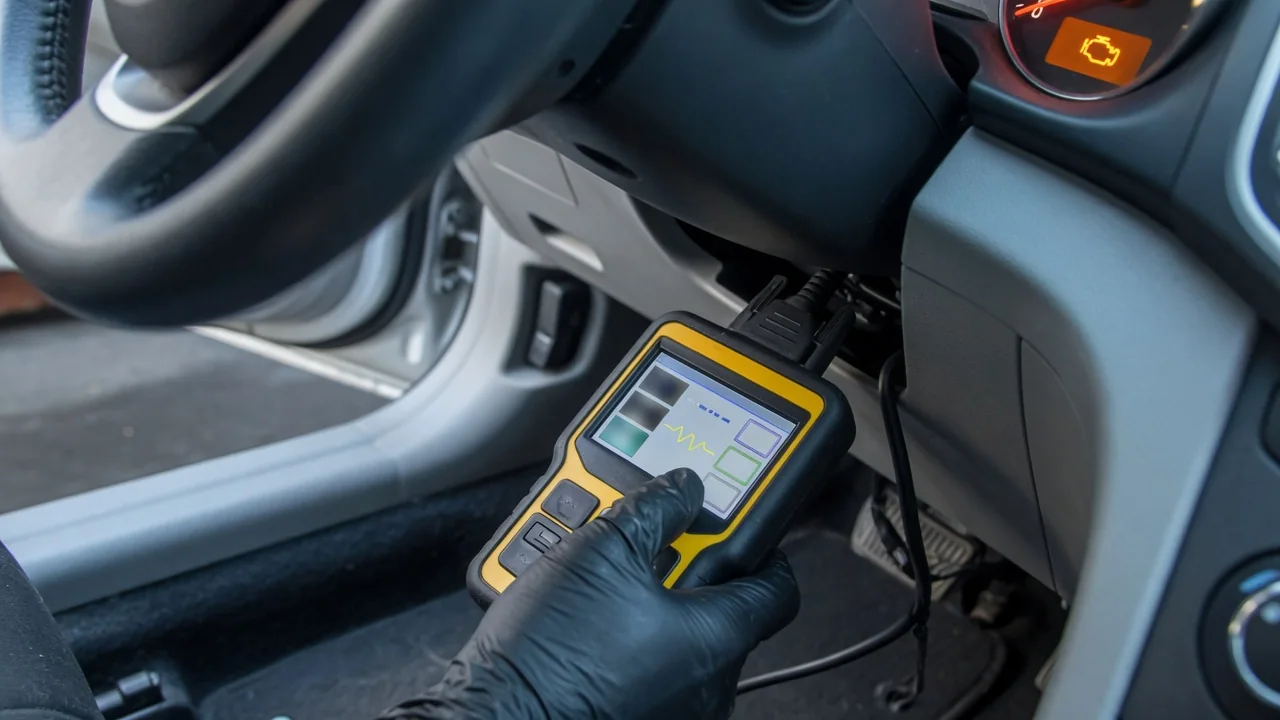
A P1238 code is a manufacturer-specific diagnostic trouble code, meaning its definition depends on your vehicle’s make, model, year, and engine. The generic OBD-II system identifies the code’s category, but only the enhanced manufacturer data from a capable scan tool or factory service information can tell you exactly what system or circuit triggered it. Interpreting this code incorrectly can lead to unnecessary parts replacement. You should confirm the precise meaning for your vehicle before drawing conclusions or attempting repairs.
What P1238 Means and Why It Depends on Your Vehicle
P1xxx codes fall outside the universal OBD-II definitions and are reserved for manufacturer-specific faults. For P1238, one automaker might use it for a fuel pump control circuit issue, while another may apply it to a sensor signal problem or module communication error. Because these definitions are not standardized, the same code can indicate completely different systems across brands. Never rely on a generic code list alone; always verify the exact fault description from a factory-level scan tool or dealer service information for your specific vehicle configuration.
The general system areas a manufacturer-specific code like P1238 can point to include fuel delivery control, sensor circuits, or module communication, but these are only possibilities to verify, not definitive meanings. For example, a fuel delivery code may involve the fuel pump driver module, while a sensor circuit code could relate to a pressure or position sensor. A module communication fault might involve network data. Acting on an incorrect definition wastes time and money, so confirm the code’s exact meaning before inspecting or replacing any parts.
Symptoms You May Notice When P1238 Is Stored
Symptoms associated with a stored P1238 code vary widely by manufacturer definition and the affected system. Common drivability issues may include a check engine light, hesitation during acceleration, rough running, hard starting, stalling, or reduced power. Some drivers may notice a fuel smell or no-start condition if the code relates to fuel delivery. Because the code’s meaning is not universal, the symptoms observed can range from subtle to severe, and they may be intermittent, appearing only under certain operating conditions.
In some vehicles, P1238 may be stored without any noticeable drivability change, and the only sign is the illuminated malfunction indicator lamp. Noting when symptoms occur provides valuable diagnostic clues: does the hesitation happen at cold start, under load, at idle, or after refueling? These details help a technician reproduce the fault and narrow down the circuit or component involved. If the check engine light flashes, the engine stalls in traffic, or a fuel smell is present, the vehicle should be driven as little as possible and checked promptly to avoid safety risks or further damage.
Possible Causes to Check Once the Definition Is Confirmed
Once the manufacturer-specific definition is confirmed, possible causes for a P1238 code typically fall into several groups: wiring or connector problems, a failed sensor or actuator, a control module or driver issue, or a real mechanical fault in the monitored system. For example, if the code points to a fuel pump control circuit, the cause could be a broken wire, corroded connector, failed fuel pump relay, faulty fuel pump driver module, or a defective fuel pump itself. The code tells you which circuit or condition was flagged, not necessarily which part has failed.
A common mistake is buying parts based solely on the code number without proper testing. For instance, replacing a fuel pump when the real issue is a chafed wire or poor ground will not fix the problem and wastes money. Additionally, low battery voltage, poor grounds, or recent repairs can cause or contribute to circuit-related codes. If work was recently performed near the relevant wiring or components, loose connections or pinched harnesses may be the source. Always test the circuit before condemning a component.
Safe First Steps Before a Professional Diagnosis
Before seeking professional diagnosis, there are safe first steps you can take. Record the full code, any other stored or pending codes, and freeze-frame data before clearing anything. Freeze-frame data captures the operating conditions present when the code was set, such as engine speed, coolant temperature, and fuel trim, which can reveal the circumstances of the fault. Do not clear the code until this information is saved, as it may be lost. Also note if the code is accompanied by other codes, as they may be related and help focus the inspection.
Perform a visual inspection of easily accessible wiring and connectors with the engine off and cool. Look for damaged, chafed, or corroded wires, and ensure connectors are fully seated. Check battery condition and terminal cleanliness, as low voltage can cause erroneous codes. Clearing the code and watching whether it returns can provide useful information, but it does not fix the underlying fault. If the code reappears immediately or under specific conditions, that is a clue for the technician. Never disconnect fuel system components, bypass circuits, or probe live module wiring without proper training and service information, as serious injury or vehicle damage can result.
How Technicians Diagnose P1238
Professional diagnosis of a P1238 code begins with confirming the manufacturer definition and following the factory diagnostic procedure for that specific code. Technicians use a scan tool capable of reading enhanced manufacturer data to review freeze-frame information and live data such as fuel pressure, sensor voltages, and module commands. They may also check for manufacturer technical service bulletins or software updates that could apply to the vehicle, although not all vehicles have them. The factory procedure typically includes specific tests for the suspect circuit, such as checking for power, ground, and signal with a digital multimeter.
Basic code readers often only display the generic or enhanced code number without the detailed description or all related data. A professional-grade scan tool can access manufacturer-specific information, perform bidirectional controls, and read module data that basic readers cannot. When you bring the vehicle to a shop, describe your symptoms clearly, including when they occur and under what conditions. Share any scan data or freeze-frame information you have recorded, such as the code, the conditions when it set, and any other codes present. This helps the technician start the diagnosis more efficiently and avoid unnecessary testing.
Repair Approach and When to Stop Driving
The correct repair for a P1238 code depends on the confirmed definition and test results. It could range from repairing a damaged wire or connector to replacing a faulty sensor, actuator, or control module, or updating module software. For example, if the fuel pump control circuit is open, the repair might be as simple as repairing a broken wire. If a sensor has failed internally, replacement is necessary. Repair costs vary greatly by vehicle, location, and the specific cause; no single price applies to all situations, so obtain an estimate after diagnosis.
There are warning signs that mean the vehicle should not be driven: stalling, fuel leaks or a strong fuel smell, severe loss of power, or a flashing check engine light. These conditions indicate a safety risk or the potential for further damage. After the repair is completed, confirm it by clearing the code, test-driving the vehicle under the conditions that set the code, and rescanning to ensure the code does not return. This verification ensures the fault is truly resolved and not just temporarily masked.