P1227 Code: Meaning, Symptoms, Causes, and Fixes
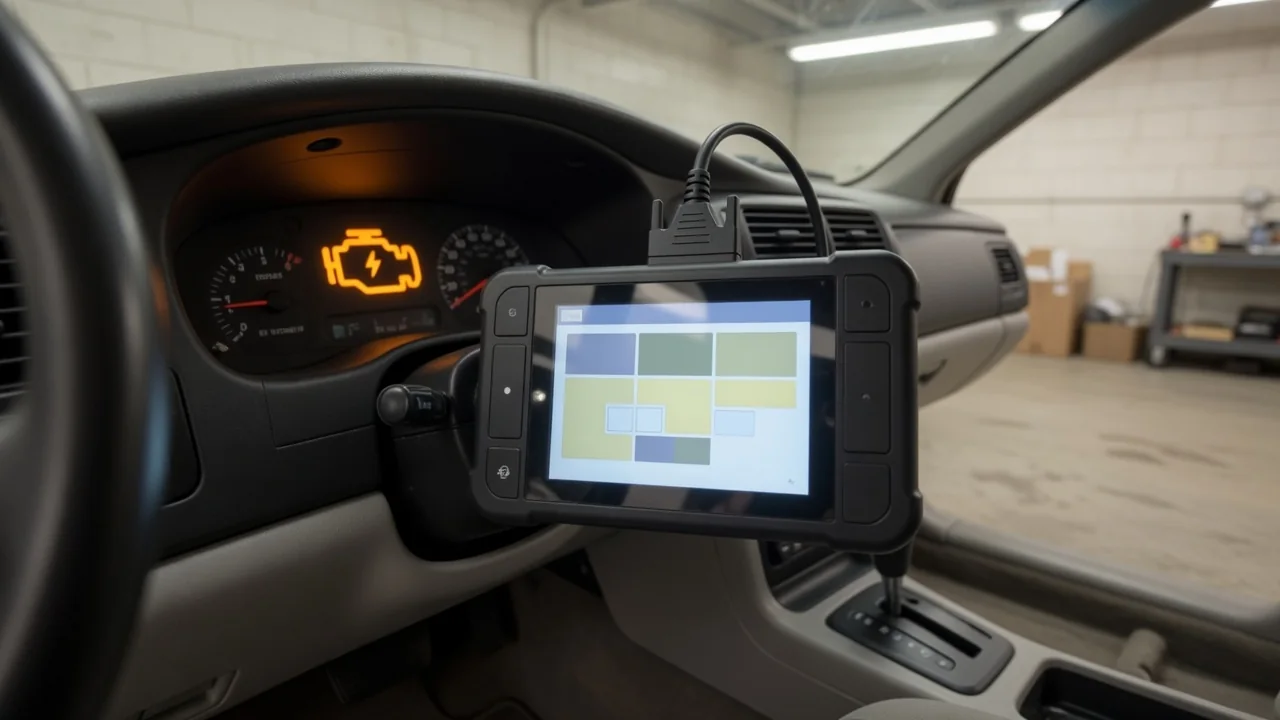
A P1227 code can be confusing because it does not mean the same thing on every vehicle. Unlike generic OBD-II codes, P1xxx codes are manufacturer-specific, so the correct definition depends on your exact make, model, year, and engine. You may see this code with a check engine light and notice drivability problems such as reduced power or rough running. Before replacing parts, confirm the code’s meaning using factory service information or an enhanced scan tool.
What P1227 Means and Why the Definition Depends on Your Vehicle
P1227 is a manufacturer-specific trouble code, meaning its definition changes between brands and even between different models from the same brand. The P1xxx range is reserved for codes that an automaker assigns to its own systems, so there is no single universal meaning. For example, one manufacturer may use P1227 for a throttle position sensor circuit issue, while another may use it for a fuel pump control circuit fault. Only the vehicle’s factory documentation or a dealer-level scan tool can provide the exact description.
Because generic online code lists often give incorrect or incomplete definitions for P1227, relying on them can lead to replacing the wrong component. An enhanced scan tool that reads manufacturer-specific codes will display the full description programmed into the engine control module for your vehicle. This description is far more reliable than a bare code number. Always confirm the definition for your specific make, model, year, and engine before attempting any diagnosis or repair.
How a P1227 Code Is Set and What the Check Engine Light Tells You
The engine control module sets a P1227 code when it detects that a monitored signal or circuit is outside its expected range. This range is defined by the manufacturer for a particular sensor, actuator, or control circuit. When the value falls below or exceeds the acceptable limits for a set period, the module stores the code and turns on the check engine light. The exact conditions that trigger the code vary with the vehicle, which is why the manufacturer-specific definition is so important for accurate diagnosis.
A stored code can be current, pending, or history. A current code means the fault is present right now; a pending code indicates the fault occurred once but has not yet passed enough drive cycles to set the light; a history code means the fault is no longer active but was recorded. Freeze frame data captures important engine operating conditions at the moment the code was set, such as engine speed, coolant temperature, and fuel trim. A steady check engine light generally means a non-emergency fault, while a flashing light indicates a serious misfire that can damage the catalytic converter and requires reducing driving immediately. Clearing the code without fixing the underlying problem only hides it temporarily and can make diagnosis harder later.
Symptoms Drivers May Notice With P1227
Symptoms of a P1227 code depend on the verified definition and what system is affected. You might notice an illuminated check engine light, reduced engine power or limp mode, rough idling, hesitation on acceleration, stalling, or no noticeable change at all. Because many different faults can produce similar symptoms, the symptoms alone cannot confirm the cause. For example, a throttle-related code and a fuel pressure code could both cause poor acceleration. Only a proper diagnosis using the manufacturer’s procedure can pinpoint the fault.
Noting when symptoms occur can help a technician narrow down the problem. Does the issue happen only on a cold start, during acceleration, at idle, or after driving in rain? These details can point toward specific circuits or conditions. Some symptoms mean you should stop driving and get professional help immediately: sudden loss of power, stalling in traffic, unusual smells, or visible smoke. These can create dangerous situations and may indicate a serious fault that could leave you stranded or cause further damage if ignored.
Common Categories of Causes Behind a P1227 Code
The causes of a P1227 code fall into broad categories rather than one specific part. Sensor faults, such as a failing position sensor or pressure sensor, are common. Wiring harness issues, including chafed insulation, broken wires, or corroded electrical connectors, can create intermittent signals. Circuit problems like poor ground connections or voltage supply issues can also set the code. In some cases, the engine control module itself or its software may be involved, but this is typically considered after simpler causes are ruled out.
The actual list of likely causes depends entirely on the manufacturer’s definition of P1227. A code defined as a turbo wastegate control circuit problem will have very different causes from one defined as a brake pedal position sensor circuit issue. Low battery voltage or a recent repair that left a connector loose can sometimes set unrelated or misleading codes. Aftermarket add-ons that tap into wiring can also cause false codes. Therefore, treat the code as a starting point for diagnosis, not a definitive answer about which component has failed.
Safe Checks You Can Do Before Visiting a Shop
Before visiting a shop, you can perform a few safe, non-invasive checks. First, use an OBD-II scanner to read and record all stored codes and freeze frame data. Do not clear the codes, as this information helps the technician. Then look up the manufacturer-specific definition for your exact vehicle using a reliable source such as a factory service manual or a dealer. This will tell you what system the code relates to and whether common bulletins exist.
With the engine off and cool, visually inspect accessible wiring and connectors in the area suggested by the code definition. Look for obvious damage like chafed or disconnected wires, corrosion, or melted insulation. Check the battery voltage and condition, since low voltage can trigger false codes. You can also check for technical service bulletins or software updates through official channels, but do not attempt to flash the module yourself. Stop at looking and recording; do not probe live circuits, disconnect safety-related systems, or work near hot or moving engine parts.
How Professionals Diagnose and Repair P1227
Professional technicians follow the manufacturer’s diagnostic procedure for the verified P1227 definition. They use enhanced scan tools to read the code, view live data, and compare actual sensor values to expected values under different conditions. Circuit testing with a digital multimeter, along with wiring diagrams, helps locate open circuits, shorts, or high resistance. Without giving step-by-step electrical procedures, the general process involves testing the component, its wiring, and its power and ground before concluding the component is faulty.
Confirming the root cause before replacing parts saves money and avoids repeat visits. A good technician will verify that a part actually failed rather than just replacing it because the code points to a circuit. After repair, the code is cleared, and the vehicle is driven through a complete drive cycle that matches the manufacturer’s conditions for running the specific monitor. The technician then checks that the code does not return and that related emissions readiness monitors have completed or passed, ensuring the repair was successful.
Is It Safe to Drive With P1227 and What to Do Next
Whether it is safe to drive with a P1227 code depends on the verified definition and the symptoms you are experiencing. There is no blanket answer because one vehicle may have a minor sensor issue with no drivability effect, while another may have a serious problem that could cause stalling or loss of power. If you notice any change in drivability, braking feel, or throttle response, limit driving and get a prompt diagnosis. Ignoring a code that affects engine performance can lead to dangerous situations.
An unresolved P1227 code can also affect emissions inspection readiness, causing your vehicle to fail a state inspection in areas that check OBD-II monitors. The next steps are straightforward: verify the exact code definition for your vehicle, document all symptoms and when they occur, perform only safe visual checks, and then book a professional diagnosis. Do not clear the code before the appointment, as the technician will need the stored information to make an accurate diagnosis and repair.