P1220 Code: Verify Its Meaning, Symptoms, and Repair Path
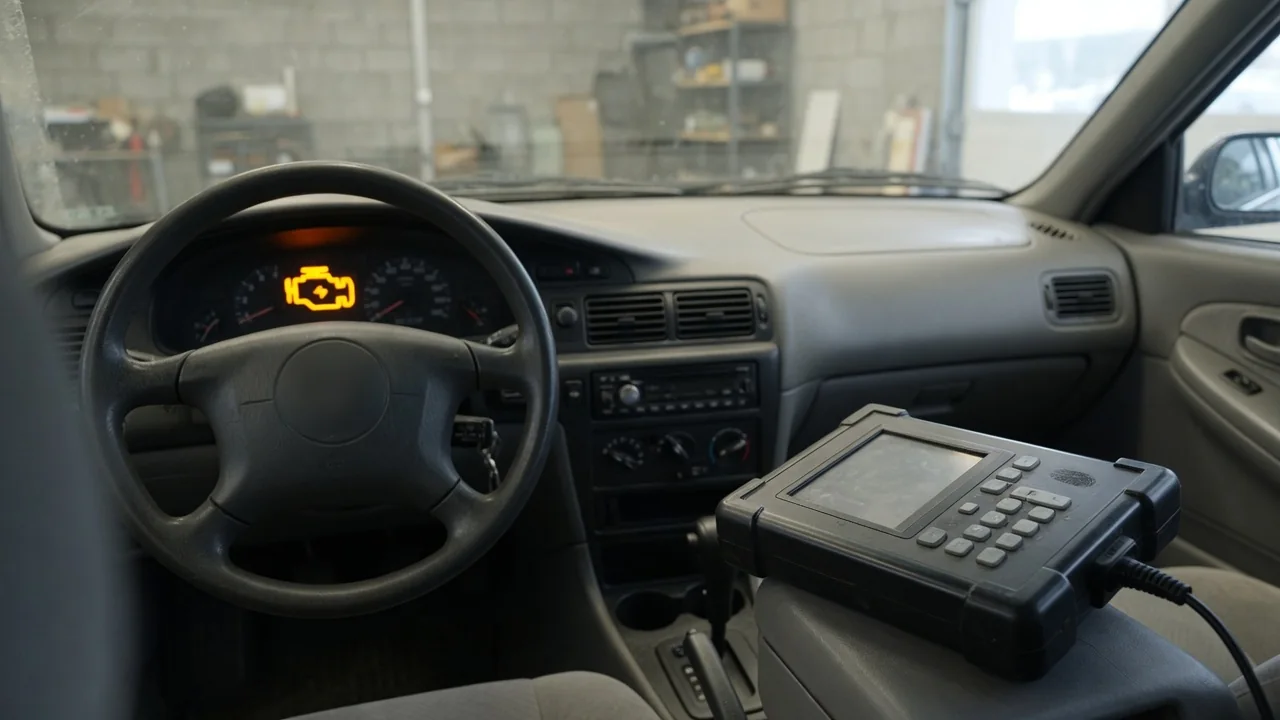
A P1220 code is a manufacturer-specific diagnostic trouble code, meaning its definition varies by make, model, and engine. Before interpreting the code or replacing parts, confirm what P1220 indicates for your vehicle using matching service information and the vehicle identification number. The code identifies a monitored condition, not a failed component; freeze-frame data and other codes provide essential context. Understanding this distinction helps you evaluate symptoms, prioritize repairs, and avoid unnecessary work.
Verify What P1220 Means for Your Vehicle
P1220 does not have a universal definition. On some vehicles it may relate to a throttle position sensor signal, while on others it could involve a fuel pump control circuit or a different system entirely. The only reliable way to know is to look up the code in manufacturer-specific service information using your vehicle’s make, model, model year, and engine. A generic scan tool may display only a brief, often misleading label.
Check the scanner’s description against the official definition for your vehicle identification details. If the tool shows a generic title like “throttle position sensor circuit” but your manufacturer lists P1220 as a fuel system fault, the diagnosis path changes completely. Never assume the code tells you which part to replace. It only indicates that a monitored value fell outside the expected range during a specific test.
Record the Code and Any Accompanying Symptoms
Before clearing anything, write down the exact P1220 code, its status—whether current, pending, or history—and any other stored codes. If your scan tool supports it, capture freeze-frame data, which records engine speed, coolant temperature, and other conditions when the fault was detected. This snapshot helps a technician reproduce the failure or identify a pattern. Without this information, valuable diagnostic clues may be lost forever.
Also note what you observe while driving or during startup. Does the check engine light stay on or flash? Are there starting problems, an uneven idle, hesitation under acceleration, or reduced power? The same code can appear with very different symptoms depending on the vehicle. Even if no symptoms are present, the code indicates a recorded condition that has not been proven absent; silence from the dashboard does not equal a repaired fault.
Connect Possible Causes to the Verified Definition
Every plausible cause for P1220 must be traced back to the verified definition for your vehicle. If the code relates to a throttle actuator, then wiring, connectors, and the actuator itself may need testing. If it references a fuel pressure sensor, the focus shifts to fuel delivery and electrical supply. Guessing based on another vehicle’s common causes can lead to replacing parts that are not at fault.
Accompanying codes and freeze-frame data narrow the testing scope. For example, if P1220 appears with a sensor circuit code and the freeze-frame shows a cold start, a technician may begin by checking the shared connector or ground. However, these clues only guide testing; they do not prove a root cause. A final decision to replace any component should follow circuit checks and specified diagnostic procedures, never assumed frequency of failure.
Decide Whether the Vehicle Needs Immediate Attention
P1220 alone does not dictate whether you should keep driving. The level of risk depends on the verified code definition and the symptoms your vehicle shows. If the engine runs normally and there are no drivability issues, you may have time to schedule an inspection. But if the code points to a system that could affect fuel delivery or throttle control, even mild symptoms may need faster attention.
Stop driving and arrange roadside assistance if the engine stalls unexpectedly, power falls sharply while accelerating, or throttle response becomes unpredictable. Do not attempt road tests to see if dangerous behavior recurs. Record what you observed—including dashboard messages and recent service work—and have the vehicle assessed by a professional. When in doubt about the vehicle’s operating condition, let a technician determine whether it is safe to drive.
Understand What Professional Diagnosis Should Establish
A professional diagnosis should begin by confirming the exact definition of P1220 for that specific vehicle, then reviewing the code status and freeze-frame data. The technician follows the manufacturer’s diagnostic sequence, which may start with clearing the code and operating the vehicle to see if it returns. Live data monitoring can show whether a sensor signal is plausible or if a circuit is open or shorted.
Depending on the verified definition, the technician may inspect wiring harnesses, test electrical continuity, or check mechanical components such as a throttle plate or fuel pump relay. Every step should produce evidence that links the detected condition to an underlying cause. Component replacement should be justified by test results, not by resemblance to a common failure. Keep high-voltage probing and component actuation out of DIY instructions for safety.
Confirm the Repair Addressed the Recorded Fault
The repair should target the demonstrated cause of P1220, not just the code itself. Some vehicles require a specific calibration or relearn procedure after replacing a sensor or actuator; skipping this step can leave the same code set or create new drivability problems. Follow the manufacturer’s prescribed post-repair steps, as they may be essential to restoring proper operation.
Clearing the code and watching the check engine light stay off is not proof of a successful repair. A professional verification should include a full drive cycle to run all readiness monitors, a review of code status to ensure no pending or permanent codes remain, and confirmation that the original symptoms have subsided. Keep your initial scan results and repair documentation in case the code reappears and further diagnosis is needed.