P1210 Code: Verify Its Meaning, Symptoms, and Repair Steps
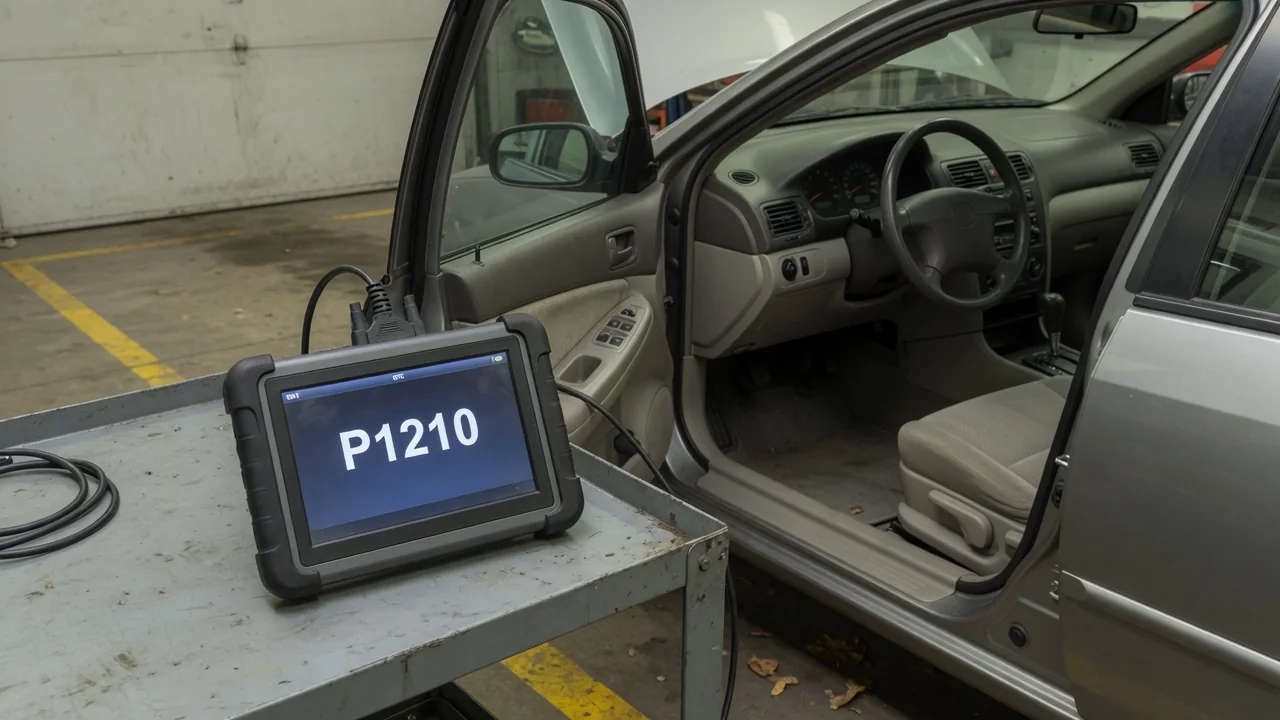
A P1210 trouble code is not a single, universal fault. Its meaning changes by vehicle manufacturer, model, engine, and even model year, so you cannot interpret it from the number alone. Without confirming the manufacturer-specific definition, any list of symptoms or causes is guesswork. This article explains how to verify what P1210 means for your vehicle, what to record when it appears, and how to approach diagnosis and repair safely.
Verify What P1210 Means for Your Vehicle
The first step with any P1210 is to confirm its exact definition for your vehicle. Because this code is manufacturer-dependent, a generic scanner may show only a short, incomplete phrase that does not apply to your engine. You need the make, model, model year, engine, and the reporting control module to look up the correct meaning in manufacturer diagnostic information.
A verified definition identifies a detected condition, not necessarily a failed part. For example, the code may indicate a circuit performance problem, an out-of-range sensor value, or a system-specific functional failure. The control module reporting the code also matters because different modules can use the same number for unrelated issues.
Symptoms to Record When P1210 Appears
Symptoms tied to P1210 depend entirely on the confirmed vehicle-specific definition, so there is no universal list. When the code appears, note any warning lights such as the check engine or malfunction indicator lamp. Also record starting behavior: does the engine crank normally, start hard, or stall? Observe idle quality and power delivery, and note whether the vehicle drives normally with no obvious change.
Record when the concern happens because operating conditions matter. Does it occur only on a cold start, after the engine warms up, or during acceleration? Never deliberately recreate an unsafe condition. Symptoms alone cannot identify which component or circuit caused the code, but they give a technician valuable diagnostic direction.
Possible Causes After the Definition Is Confirmed
After confirming the exact P1210 definition, possible causes should be organized around the system and fault condition indicated. Depending on the manufacturer’s diagnostic procedure, the cause may involve wiring, connectors, electrical supply, a sensor, an actuator, or a mechanical condition. Only the applicable vehicle-specific information can narrow these possibilities.
Companion codes and recent repairs can add context but do not prove a causal connection. For example, a stored communication code might point to a network issue, or a recent battery replacement could correlate with a low-voltage fault. Avoid labeling any component as the usual culprit or assuming a cause is common without vehicle-specific support.
Safe Checks Before Professional Diagnosis
Before clearing the code or seeking professional help, save all available information. Record the exact code description, the reporting module, code status (pending or confirmed), any companion codes, and freeze-frame data if the scanner supports it. This snapshot preserves the conditions under which the fault was detected.
Review recent maintenance and the timing of first symptoms. Battery work, sensor replacement, or even a jump start can be relevant background. With the vehicle parked and engine off, you may safely inspect accessible areas for visible damage, loose connectors, or disconnected items. Do not probe live circuits, open pressurized systems, bypass components, or work near hot or moving parts.
Professional Tests That Guide a P1210 Repair
A technician should follow the manufacturer’s diagnostic sequence after confirming the code’s meaning. This may include viewing relevant scan data, checking circuits, and performing system-specific measurements. These tests can distinguish between a wiring fault, a sensor failure, or an intermittent condition, but they must be done according to the service information.
Test results must support any repair decision. The code alone never justifies replacing a named part. After a repair, verification includes checking proper system operation and monitoring for returning codes under safe conditions. The technician should use the same diagnostic tool to confirm the code does not recur and that all readiness monitors pass.
When to Stop Driving and What to Tell the Shop
P1210 alone cannot establish whether continued driving is safe because its meaning and the vehicle’s condition must be assessed. If you experience severe power loss, stalling, overheating, smoke, or a critical warning message, stop safely and seek assistance. Driving with a serious fault can cause further damage or a breakdown.
For a vehicle operating normally, arrange diagnosis and follow the owner’s manual guidance for any illuminated warning light. When you bring the car to a shop, share vehicle details, the exact scan results, symptoms, operating conditions, and recent work. This information helps the technician start efficient, targeted testing.