P1203 Code: Manufacturer-Specific Meaning, Symptoms and Diagnosis
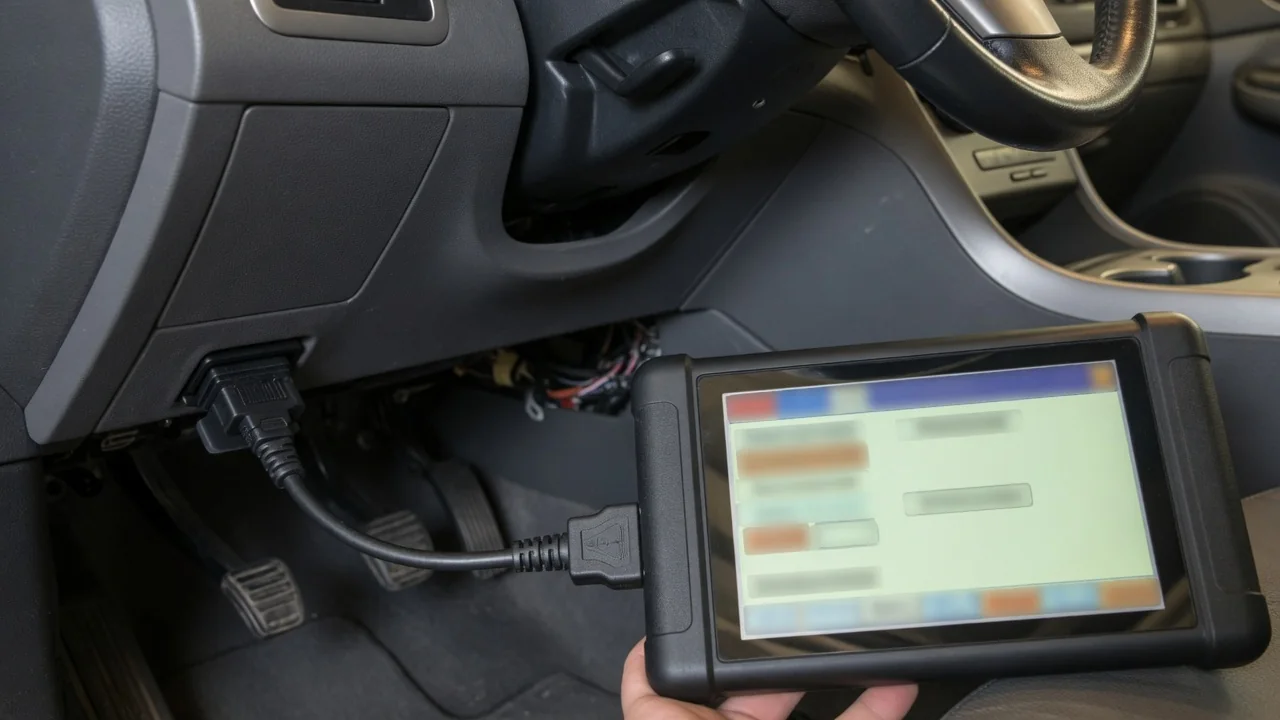
The P1203 code is a manufacturer-specific powertrain fault, meaning its definition is set by the automaker rather than a single universal standard. Drivers encountering this code often see a check engine light but need vehicle-specific information to interpret it correctly. Symptoms can range from rough idling to a reduced power mode, depending on the system involved. Because the same code can describe different circuits on different makes, confirming the exact meaning for your make, model, year, and engine is critical before diagnosis or repair.
What P1203 Means and Why It Varies by Manufacturer
P1203 belongs to the P1xxx range of OBD-II diagnostic trouble codes, which manufacturers reserve for their own definitions. Unlike generic P0xxx codes, a P1203 can point to unrelated systems in different brands—perhaps a fuel injector circuit on one vehicle and an exhaust gas recirculation issue on another. Factory service information is the most reliable source for the exact explanation. A dealer or a scan tool that supports enhanced manufacturer-specific definitions can also decode it correctly, avoiding misinterpretation from generic online code lists.
Before buying any parts, confirm the code's meaning for your exact vehicle. Online code databases may display a generic definition that does not apply to your car, leading to unnecessary repairs. The same code could also have different triggers depending on the engine calibration or model year. Using a scan tool with manufacturer-level software, or consulting the service manual, reveals the actual circuit or system the code monitors. This step is essential because guessing without confirmation often results in replacing good components.
How to Read the P1203 Code Correctly on Your Scan Tool
A basic OBD-II scanner may only show the code number and a generic phrase, but an enhanced scan tool can retrieve the automaker's detailed description and test procedures. When reading the code, always record freeze frame data, which captures engine conditions at the moment the fault was stored, such as coolant temperature, rpm, and fuel trim. Also note whether the code is pending, confirmed, or history, and list any other stored codes. This information helps a technician reproduce the condition and understand what the engine control module observed.
Clearing the code without saving this data removes valuable diagnostics. Other codes stored alongside P1203 can indicate related systems or even a common root cause like a shared ground or power supply. For example, a circuit malfunction may produce multiple manufacturer-specific codes that point to a wiring harness issue. Before you erase anything, write down all active and stored codes, the freeze frame details, and any symptoms you noticed. This simple habit prevents losing evidence that could shorten diagnosis time and reduce labor costs.
Symptoms That May Appear With a P1203 Code
Because P1203 is manufacturer-specific, symptoms vary widely. Drivers might notice a check engine light only, or they could experience rough idling, hesitation, misfires, or a loss of power. Some vehicles enter a reduced power mode that limits acceleration to protect the engine. Others may show no drivability changes at all. The key is to observe carefully: does the problem appear on a cold start, after the engine warms up, under heavy load, or at idle? Recording when and how symptoms occur gives a technician crucial clues.
Not every symptom will appear on every vehicle, and some drivers may only see the warning light. In certain cases, the code could be stored without any noticeable effect on performance. That does not mean the problem is harmless—it could be an intermittent issue or one that affects emissions. Keep a simple log of the conditions: outside temperature, time of day, whether the air conditioning was running, and how the engine behaved. This information can help distinguish between a failing sensor, a wiring fault, or a control module issue.
Possible Cause Categories to Discuss With a Technician
Once the vehicle-specific definition is confirmed, the possible causes can be discussed in broad categories. Typically, a P1203 code relates to a circuit, sensor, wiring, connector, or control module within the named system. The code indicates that the computer detected an unexpected electrical signal or performance condition—it does not prove that a particular part has failed. For instance, a code for an injector circuit could be caused by a bad injector, but also by corroded wiring or a faulty driver inside the engine control module.
A common mistake is replacing a component based on the code name alone. The correct repair depends on the automaker's definition and on diagnostic test results, not guesswork. A sensor might be reporting correctly, while a separate issue in the wiring harness causes the false reading. Mechanics use factory service information to follow pinpoint tests for that specific code, measuring voltage, resistance, and grounds. This is why discussing possible cause categories with a qualified technician, rather than assuming one failed part, leads to a more accurate and cost-effective repair.
Safe Checks Drivers Can Do Before Professional Diagnosis
Before calling a professional, you can perform a few safe, non-invasive checks. With the engine off and cool, visually inspect easy-to-reach areas for obvious problems: disconnected connectors, damaged insulation, or loose vacuum hoses. Look for signs of rodent damage on wiring, which can trigger circuit codes. If you recently had service work done, check whether any connector was left unplugged. These simple observations cost nothing and may reveal an obvious issue, but they cannot confirm the root cause of P1203.
While driving, note whether the check engine light is steady or flashing. A flashing light indicates a condition that could damage the catalytic converter, so reduce driving and get the vehicle checked promptly. Also observe if other dashboard warnings have appeared, such as a traction control or battery light, and whether the engine seems down on power or idles differently. Do not probe electrical connectors with test equipment, remove components, or work on the fuel system, as these require special tools and training. Basic checks can guide the discussion with your technician, but they are not a substitute for proper testing.
When P1203 Needs Professional Testing
Confirming the underlying fault usually requires manufacturer-level scan data, circuit testing, and service procedures beyond the capability of a basic code reader. A professional technician can use an enhanced scan tool to view live data for the suspect circuit, perform tests as directed by the factory service information, and monitor the system while driving. If the code is intermittent, they may need to recreate specific conditions or use an oscilloscope to capture intermittent electrical glitches.
Signs that call for immediate professional attention include a flashing check engine light, severe loss of power, stalling, unusual smells, or the temperature gauge rising into the red. In these cases, stop driving as soon as safely possible and arrange for towing if needed. When you go to the shop, bring a complete list of codes, the freeze frame data, your symptom notes, and any recent repair history. Ask the technician to confirm the vehicle-specific P1203 definition for your car and to explain which tests they will run before recommending repairs. A trustworthy shop will welcome this information and provide transparent diagnostic reasoning.
Can You Keep Driving With P1203 and What Happens After Repair
Whether it is safe to continue driving with P1203 depends entirely on the confirmed definition and any accompanying symptoms. A code for an emissions-related circuit may have little effect on short-term drivability, while one for an injector could cause misfires that damage the catalytic converter. As a general rule, limit driving and have the vehicle inspected soon if you notice drivability changes or other warning lights. Ignoring the code can turn a small electrical issue into a more expensive repair.
After a proper repair, the code should stay cleared, and the readiness monitors will complete as you drive normally over several days. A code that returns soon after repair often indicates that the root cause was not fully addressed, or that another fault is present. Do not simply clear it again and hope it goes away—the engine control module is still detecting a problem. Returning to the shop with the new code and freeze frame data from that second occurrence will help the technician refine the diagnosis and finish the repair correctly.