P1202 Code: Meaning, Symptoms and Fixes
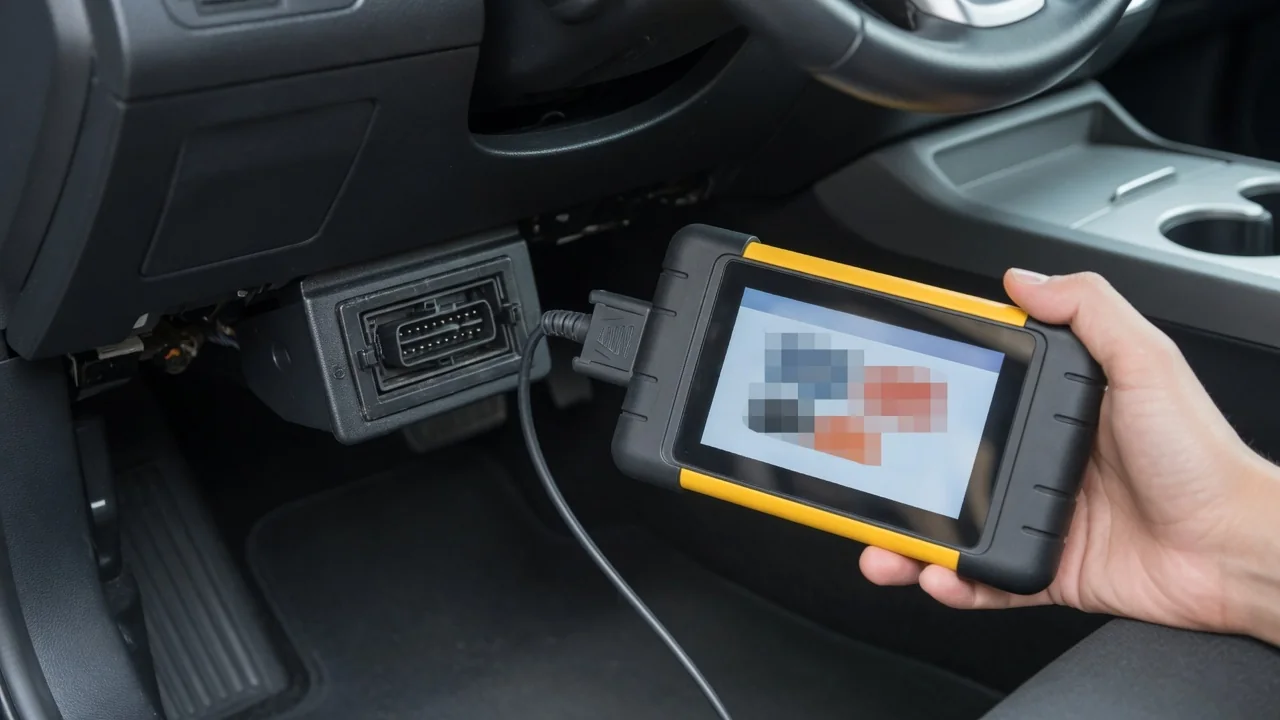
Seeing a P1202 code on your scan tool can be confusing because this is not a universal OBD-II fault. The P1 prefix signals a manufacturer-specific powertrain code, meaning its definition changes between brands and even between models. Without confirming what P1202 means for your exact vehicle, you might chase the wrong system or replace a part that is not faulty. This guide explains how to interpret the code safely, record the right freeze frame data, and work with a technician to find the true cause.
What P1202 Means and Why the Definition Depends on the Manufacturer
P1202 belongs to the P1xxx range, which the OBD-II standard reserves for powertrain codes that each automaker defines differently. One manufacturer might use it for a fuel system pressure fault, while another links it to a variable valve timing issue or a turbocharger control circuit. A generic code reader often shows only a short, sometimes misleading description that may not match your vehicle. Before interpreting P1202, you must confirm its meaning for your exact make, model, year, and engine, because the same number can point to entirely different components.
Online code libraries usually list one common meaning, but that value is not trustworthy across all brands. For example, a definition from one car company could lead you to inspect an oxygen sensor when your vehicle actually has a transmission-related fault. Manufacturer engineering documents are the only reliable source for these enhanced codes. If a scan tool does not identify the code correctly, you should not assume any particular part is failing. Incorrect interpretation often causes wasted diagnostic time and unnecessary parts replacement.
How to Confirm the P1202 Definition for Your Vehicle
A scan tool that reads manufacturer-enhanced codes is the first step. Basic OBD-II readers may show only P1202 with a generic label, but professional or dealer-level tools can retrieve the brand-specific meaning and any sub-messages. If you do not have such a device, a repair shop with factory service information can quickly look up the code. Providing your vehicle identification number helps the technician access the correct wiring diagrams, diagnostic flow charts, and any technical service bulletins tied to that code for your model.
While the code is present, record more than the number itself. Write down all related codes, the freeze frame data showing engine temperature, rpm, and load, and whether the code is current, pending, or stored. A pending code means the fault was detected once but not yet confirmed, while a stored code is a historical event. This context matters because a manufacturer definition may change based on which other faults are also set. Preserving this information before clearing anything gives the technician a complete picture.
Symptoms Drivers May Notice With a P1202 Code
Because P1202 has no fixed meaning, the symptoms you experience depend on the system the manufacturer links to the code. Some drivers may see only an illuminated check engine light with no change in how the vehicle runs. Others might notice rough idle, hesitation during acceleration, or even a mild drop in fuel economy. Every vehicle can behave differently, so avoiding assumptions about what P1202 should feel like is important. Note the exact conditions when anything unusual happens, such as first start on a cold morning or while cruising at steady speed.
Watch for patterns that help narrow the diagnosis. A stumble only when the engine is cold points to a different area than a problem that appears only after long highway drives. If the check engine light flashes, or if the engine misfires, loses power significantly, or enters a limp mode, reduce driving and have the vehicle inspected promptly. A flashing light often signals a condition that can damage the catalytic converter. Mild symptoms may allow normal driving for a short time, but the code should not be ignored.
Possible Cause Categories and the Limits of Guessing
The cause of P1202 generally falls into a few broad categories: damaged wiring or corroded connectors, a sensor that is reading incorrectly, an actuator that is not responding, a software issue inside the powertrain control module, or a related mechanical condition. A wiring fault can mimic a failed sensor, for example, so testing is required before deciding. Without the confirmed manufacturer definition, any specific guess about which component is at fault is unreliable. The code number alone only tells you which diagnostic path the vehicle's computer has flagged.
Replacing parts based only on a generic code lookup often fails to fix the vehicle. The real issue may be a broken wire, a poor ground, or another stored code that changes how P1202 should be interpreted. Multiple codes together can indicate a shared power supply or communication problem rather than several independent failures. A thorough diagnostic approach starts with the confirmed definition, examines freeze frame data and live values, and then follows the manufacturer's test sequence instead of guessing.
Safe Checks Before Visiting a Shop
With the engine off and cool, you can perform a few visual inspections without special tools. Look for obvious signs of trouble around the engine bay, such as a loose connector, cracked wiring insulation, or corrosion on exposed terminals. Pay attention to any recent work area, because a connector left unplugged or a pinched wire can easily set a manufacturer-specific code. Do not touch hot or moving parts, and never probe electrical circuits or remove components unless you have the proper service information. These observations can save diagnostic time.
Avoid clearing the code before your visit. Erasing it also removes freeze frame data that captures the engine conditions when the fault occurred, and that information is valuable for diagnosis. Also write down any recent events that happened before the code appeared, such as a battery replacement, jump start, engine wash, or aftermarket part installation. These events can disturb grounds, connectors, or sensor readings. A technician can use your notes to check likely trouble spots first instead of repeating inspection steps.
Professional Diagnosis and Fixing the Real Cause of P1202
A professional diagnosis begins with confirming the manufacturer-specific definition for your VIN, then checking live data from relevant sensors and actuators. The technician may use a digital multimeter or oscilloscope to test circuits, apply the factory diagnostic flow charts, and compare readings with known good values. Because P1202 can be set by wiring, software, or mechanical issues, testing often includes checking for vacuum leaks, fuel pressure, or timing alignment if the confirmed definition points that way. The goal is to prove which part or circuit is faulty before spending money.
The final repair could be as simple as cleaning a connector or as involved as replacing a sensor, reprogramming a module, or correcting a mechanical fault. After the repair, the technician clears the code and performs the manufacturer's drive cycle to run all the monitors. If the code does not return and the readiness checks pass, the fix was successful. If it comes back, the diagnosis continues, because a returning code means the original root cause was not fully addressed.