P1201 Code: Manufacturer-Specific Meaning, Symptoms and Diagnosis
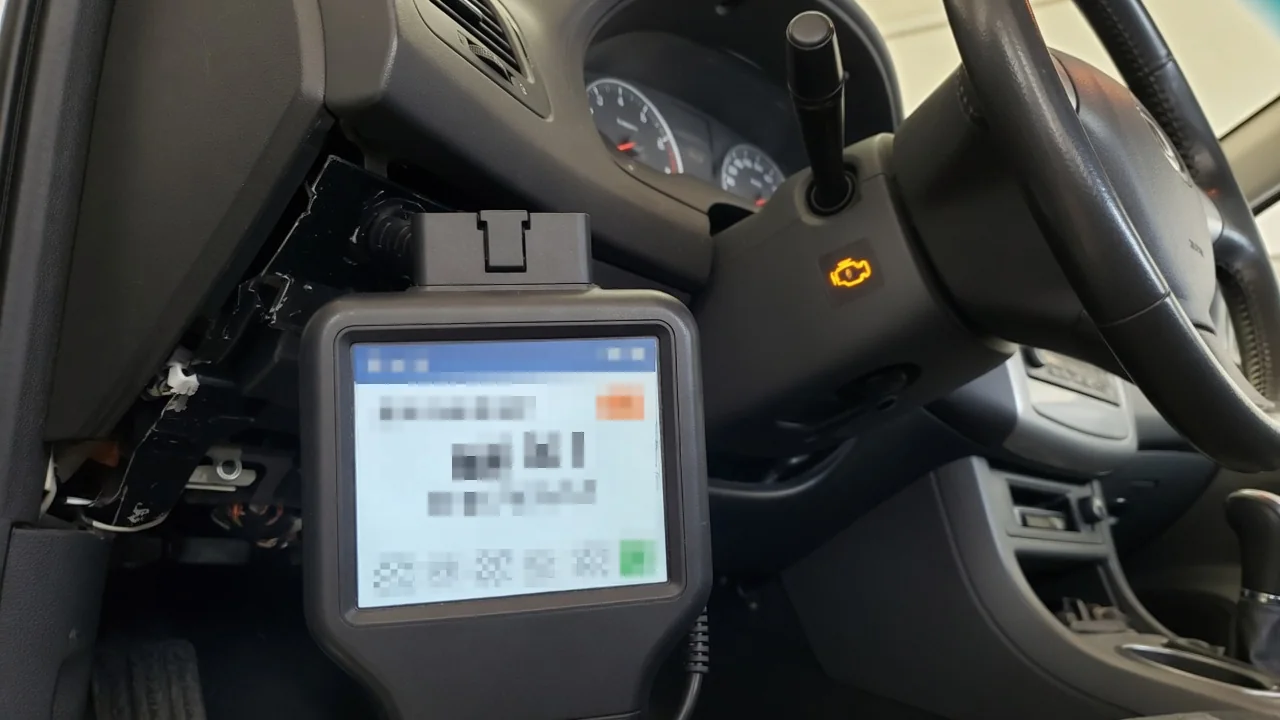
The P1201 diagnostic trouble code is confusing because it is manufacturer-specific. Unlike standardized OBD-II codes beginning with P0, P1 codes are assigned different meanings by each automaker. A P1201 stored in a Chevrolet may point to an entirely different circuit than in a Nissan or Volkswagen. Before ordering parts or clearing the code, verify the exact definition for your vehicle. This guide explains how to interpret P1201, identify symptoms, and pursue a safe, structured diagnosis.
What P1201 Means and Why the Definition Depends on the Manufacturer
A P1201 code belongs to the manufacturer-specific range of powertrain fault codes, designated by the first digit "1" after the letter P. Generic OBD-II codes starting with P0 have universal definitions mandated by regulations, but P1 codes are left to each vehicle maker. Therefore, P1201 could indicate a fuel injector circuit issue on one brand, a turbocharger control problem on another, or a cylinder balance fault on a third. The code number alone cannot tell you what is wrong.
Because the meaning varies, a generic code list offering a single P1201 description may be misleading for your particular model. Acting on that assumption can lead to replacing a good part or missing the actual fault. Always confirm the definition for your exact make, model, year, and engine. Never treat a diagnostic trouble code as a parts replacement command. Instead, use it as a starting point for vehicle-specific diagnosis.
How to Look Up the Correct P1201 Definition for Your Vehicle
The most reliable definitions come from factory service information, a dealer service department, or a professional scan tool that includes manufacturer-specific data. Many basic code readers only display the number or a short generic phrase that may be inaccurate for your car. A factory workshop manual or an online service information subscription will list the precise circuit or system the code references, along with diagnostic steps.
Before clearing anything, record the full code, any related codes, and the freeze frame data captured when the fault occurred. Note whether the code is current, pending, or stored. The VIN and engine code help confirm the correct definition, as the same model can use different calibrations. Datalogging this information preserves clues for a technician and prevents the loss of valuable diagnostic evidence.
Symptoms That May Appear Alongside a P1201 Code
Symptoms linked to P1201 depend entirely on which system the manufacturer's definition covers. A code for a throttle actuator circuit might cause poor acceleration, while a code for an exhaust gas recirculation circuit could trigger rough idle or stalling. There is no universal symptom list. Pay attention to changes in drivability such as hesitation, misfiring, or unusual engine behavior, and note when the check engine light comes on.
Some vehicles store a P1201 code without any noticeable symptoms, often as a pending or intermittent fault. In such cases, the driver may only see the light illuminated. Document when symptoms occur: on a cold start, after the engine warms up, under heavy load, or during wet weather. These details can help a technician reproduce the condition and narrow down the fault during diagnosis.
Possible Cause Categories to Discuss With a Technician
Broadly, a P1201 fault can arise from a few categories: wiring or connector faults, sensor or actuator circuit problems, or control module and software issues. A damaged harness, a corroded pin, a failed sensor, or a logic error in the powertrain control module could all set this code depending on the definition. The confirmed manufacturer-specific meaning determines which category is most relevant, so do not assume a common cause.
Other stored codes can provide essential clues. A shared power supply, ground, or communication circuit may trigger multiple faults simultaneously. For example, if several sensor codes are present alongside P1201, a common wiring fault may be the root cause. Avoid guessing based on internet anecdotes; instead, present the full code history to a professional who can perform vehicle-specific tests.
Safe Checks an Owner Can Make Before Professional Diagnosis
With the engine off and cool, you can safely inspect easy-to-reach connectors and wiring for obvious damage, looseness, or corrosion. Look for chafed insulation, cracked connectors, or greenish deposits on terminals. Do not disconnect anything unless you can reconnect it securely. Reading and saving codes and freeze frame data is also safe and should be done before any clearing. Clearing a code erases stored information that can aid diagnosis.
Avoid probing live circuits, disconnecting fuel system components, or running tests on a hot or running engine. Without circuit testing equipment and the manufacturer's test procedures, you cannot confirm whether a sensor, actuator, or module has failed. A visual inspection can reveal a broken wire or unplugged connector, but the absence of visible damage does not rule out an electrical fault.
How Professional Testing Confirms a P1201 Fault
A technician follows the manufacturer's diagnostic procedure for the confirmed P1201 definition. This typically starts with reading all codes and freeze frame data, then checking for technical service bulletins or software updates that may apply. Live data monitoring reveals whether sensor readings are plausible, and circuit testing verifies wiring integrity, voltage, ground, and signal operation. The goal is to prove a fault, not guess at a part.
If a P1201 code returns after being cleared, or appears intermittently without a clear pattern, a structured diagnosis is essential. Intermittent faults often require wiggling harnesses, monitoring data over time, or using a breakout box. When you visit the shop, provide the code history, symptom notes, and any recent repairs. This information saves time and helps the technician focus on the most likely circuit.
Is It Safe to Drive With P1201 and When to Stop
Whether you can continue driving depends on the confirmed definition and the symptoms present, not the code number itself. If the vehicle runs normally and only the check engine light is on steadily, a timely diagnosis is still needed but immediate towing may not be necessary. However, if drivability is affected—hesitation, rough idle, or reduced power—limit driving until the fault is found to avoid further damage or unsafe conditions.
Stop driving and arrange a tow if you notice a flashing check engine light, stalling, severe misfire, fuel smell, overheating, or warning lights for other systems. A flashing light usually indicates a catalyst-damaging condition such as a severe misfire. Continuing to operate the vehicle under these circumstances can cause expensive damage or create a safety hazard. Even without symptoms, do not ignore a stored P1201 for long.