P1197 Code: Meaning, Symptoms and Diagnosis by Manufacturer
A P1197 code can be unsettling, but its meaning is not universal. This manufacturer-specific OBD-II trouble code points to different systems depending on the vehicle. Because the check engine light may accompany drivability changes or remain the only symptom, verifying the exact definition for your make and model is the first step. Without that confirmation, interpreting freeze frame data or planning repairs can lead down the wrong path.
What P1197 Means and Why Its Definition Varies by Manufacturer
P1197 belongs to the P1xxx range, which is reserved for manufacturer-specific diagnostic trouble codes. Unlike generic P0xxx codes defined by the OBD-II standard, P1xxx codes can represent entirely different circuits, sensors, or control functions from one automaker to another. Some manufacturers may use P1197 for a fuel pressure monitor, while others assign it to an engine oil pressure switch or even a turbocharger control issue. This flexibility means the same four characters do not describe the same fault across brands.
Even within one manufacturer, the definition can shift by model, engine family, or production year. A code that indicates a crankshaft position sensor concern on one platform might refer to an exhaust gas recirculation feedback error on another. Relying on generic internet descriptions or parts store printouts risks misdiagnosis. The only reliable way to know what P1197 means for a specific vehicle is to consult the manufacturer’s service information or an equivalent professional database.
How to Confirm the Correct P1197 Definition for Your Vehicle
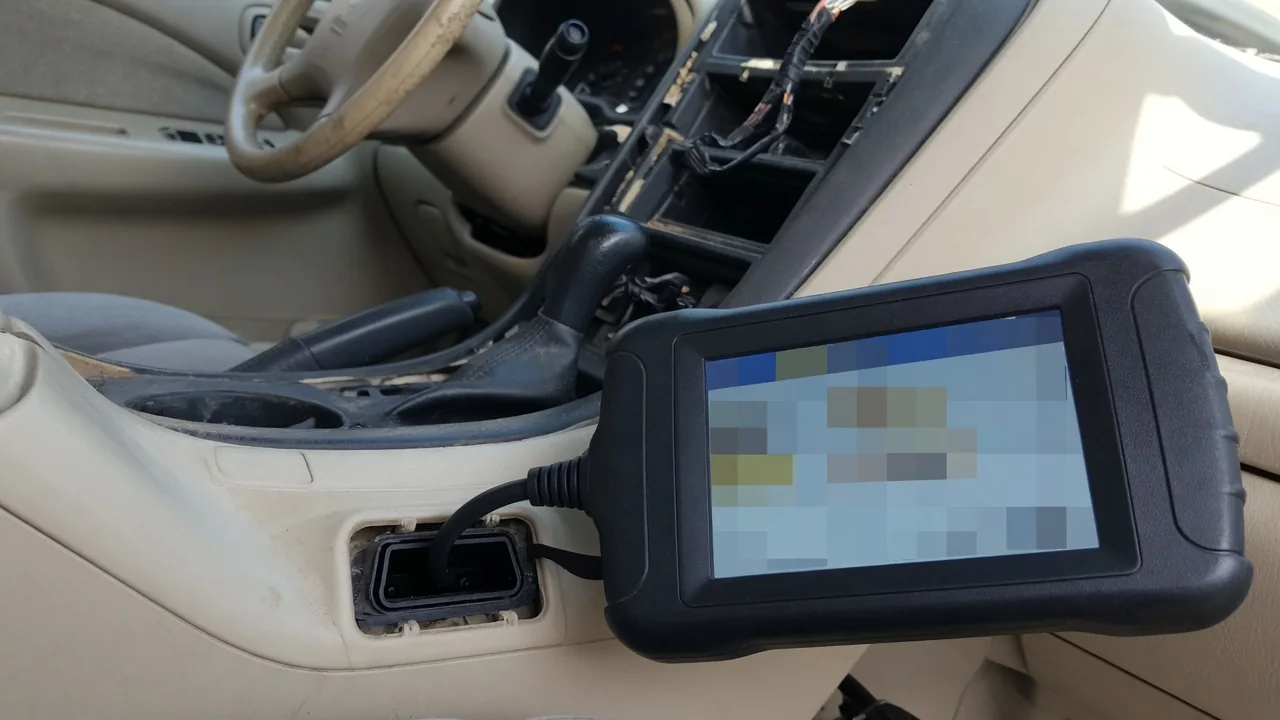
A scan tool that reads manufacturer-enhanced codes is essential. Basic code readers often display only the code number or a misleading generic label, but an enhanced scan tool retrieves the factory-defined description stored in the engine control module. The tool should also show the freeze frame data captured when the fault set, along with any pending codes. This snapshot includes engine speed, coolant temperature, and load, which helps interpret why the condition occurred.
Make, model, year, engine displacement, and even the vehicle identification number can determine the exact code definition. A VIN-aware lookup through factory software or a professional repair database ensures the result matches the installed powertrain control module calibration. Dealer service departments have access to the same information and can confirm whether the stored P1197 matches a known technical service bulletin or software update. Record everything before clearing any codes, because once cleared, the data that aids diagnosis is gone.
Symptoms That May Appear Alongside P1197
Because P1197 can refer to many different subsystems, there is no universal symptom list. An illuminated check engine light is the most common shared sign, but what the driver notices beyond that depends on the confirmed definition. If the code relates to a fuel pressure sensor, the vehicle may hesitate under load or struggle to start. If it involves an emission control circuit, the engine may idle roughly or smell rich. In other cases, the code may set during a specific condition and produce no obvious drivability change at all.
Drivers should pay attention to when symptoms appear: during a cold start, after warm-up, under hard acceleration, or at steady highway speed. Such detail helps a technician connect the code to a specific operating mode or failure condition. A vehicle that runs normally except for the warning light is still worth diagnosing, because an active fault can prevent emission monitors from completing or cause progressive damage. Note any recent work, refueling, or weather changes that coincide with the code.
Possible Causes to Investigate Once the Definition Is Known
Once the manufacturer’s definition is confirmed, the list of possible causes narrows to the affected circuit. If P1197 refers to a sensor signal range or performance, the technician will consider that sensor, its wiring, connector, and reference voltage supply. A wiring or connector problem can mimic a failed sensor, so visual inspection and continuity checks come before replacement. If the definition points to an actuator or control module, software calibration or internal module faults may be more likely.
Replacing components based on the code number alone is a common mistake. A fault code is evidence of a condition, not proof that a particular part has failed. Other stored codes can also change the picture: a shared power supply, ground, or communication bus fault may set several codes at once, and P1197 might be a secondary result. The technician must evaluate all codes, freeze frame data, and live data together before forming a diagnostic plan.
Safe Observations a Driver Can Make Before a Shop Visit
With the engine off and cool, a careful visual check can reveal obvious problems. Look for loose or disconnected hoses, damaged wiring, or connectors that have come apart. A broken vacuum line or an unplugged sensor can set a code without any internal fault. However, this inspection does not require pulling panels or disconnecting anything, and touching hot or moving parts is unsafe. Simply note anything that looks out of place for the technician to inspect further.
The behavior of the check engine light itself offers useful information. A steady light generally means a fault that should be addressed soon, while a flashing light indicates a condition that could damage the catalytic converter or cause severe misfire. In that case, reduce speed and load, and seek service promptly. After a normal drive cycle, if the code returns on its own without clearing, the fault is active and reproducible, which makes diagnosis easier.
When Professional Testing Is Needed and What to Expect
Confirming the root cause of a manufacturer-specific code usually requires factory-level procedures. A professional technician will use an enhanced scan tool to view live data for the identified circuit, perform active tests if the controller supports them, and use a digital multimeter or oscilloscope to check wiring and signals. Without these steps, the diagnosis remains a guess. The repair should be validated by running the manufacturer’s drive cycle to confirm the code does not return.
When bringing the vehicle in, provide all recorded information: the exact code description, freeze frame data, any other stored codes, and notes about when and how symptoms occur. Ask whether the shop has access to technical service bulletins or software updates for the specific vehicle, but do not assume one exists. A flashing light, stalling, overheating, or severe drivability problems warrant immediate attention rather than waiting for a scheduled appointment.