P1196 Code: Meaning, Symptoms, Causes and Diagnosis
A check engine light with code P1196 can be puzzling because this diagnostic trouble code does not have one universal meaning. It belongs to the manufacturer-specific P1 range, so its definition changes depending on the vehicle make, model, year, and engine. The code points to a circuit or system that the powertrain control module flagged, but it does not identify a failed part. Understanding the exact manufacturer definition is essential before spending money on repairs or replacement components.
What P1196 Means and Why the Definition Depends on the Manufacturer
P1196 is a manufacturer-specific powertrain code, indicated by the P1 prefix in the OBD-II system. Unlike generic codes that are standardized across all vehicles, manufacturer codes allow automakers to define faults for components or systems unique to their designs. Therefore, a P1196 on one brand may refer to a sensor circuit, while on another it could relate to a completely different subsystem. No universal definition applies, and assuming one based on generic online information can lead to misdiagnosis.
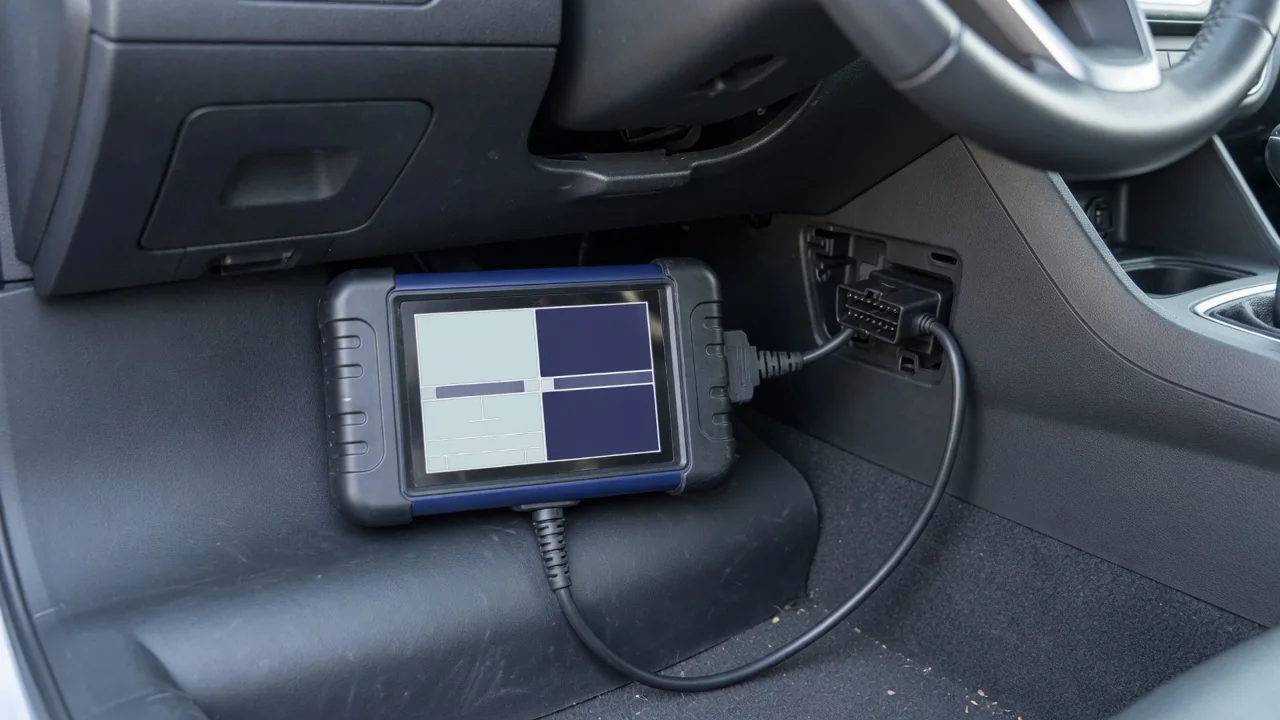
To confirm the exact meaning, the vehicle’s factory service information, a dealer, or a scan tool that supports enhanced manufacturer codes should be used. Many generic code readers show only the number or a vague description, which may not match the actual fault logic for that specific engine. Acting on the wrong definition wastes time and money because tests and parts are selected for the incorrect system. The code itself tells the technician which circuit the engine computer flagged, not which component has failed or why.
Reading a P1196 Code Correctly Before Drawing Conclusions
Before drawing any conclusions, the code should be read and recorded along with its status: whether it is pending or confirmed, and any other stored codes. Clearing the codes first destroys valuable information because freeze frame data captures operating conditions like engine temperature, speed, load, and fuel trim at the moment the fault was set. This snapshot helps a technician understand whether the problem occurred during a cold start, at idle, under acceleration, or at highway speed.
Related codes stored at the same time often indicate a shared cause, so they should be reviewed together rather than addressed separately. A basic generic OBD-II reader may not display the manufacturer description for P1196, which is why an enhanced scan tool or professional diagnostic equipment is sometimes needed. Without the correct definition and supporting data, a repair may be aimed at the wrong circuit or component, leading to repeat failures and wasted diagnosis time.
Symptoms Drivers May Notice With a P1196 Code
Symptoms associated with P1196 vary with the confirmed manufacturer definition, and some vehicles may show only an illuminated check engine light with no noticeable drivability change. When symptoms do appear, they can include rough running, hesitation on acceleration, altered fuel economy, or failed emissions readiness monitors. Writing down exactly when symptoms occur—such as during a cold start, warm idle, or steady highway cruise—helps a technician recreate the fault and target tests more efficiently.
A flashing check engine light indicates an active misfire condition that could damage the catalytic converter, so driving should be stopped immediately. A strong fuel smell, engine overheating, or significant loss of power are other serious warnings that require the vehicle to be inspected without delay. Not all P1196 codes produce such severe behavior, but recording any observations in detail ensures that no subtle clue is overlooked during professional diagnosis.
Possible Cause Categories to Discuss Once the Meaning Is Confirmed
Once the vehicle-specific definition is confirmed, possible causes can be narrowed down using diagnostic tests rather than guesswork. Technicians consider broad categories for manufacturer codes, including sensor faults, wiring or connector problems, circuit or signal issues, mechanical conditions that affect sensor readings, and control module software or internal faults. The exact definition of P1196 determines which of these categories is most relevant, so no single cause list applies to all vehicles.
A mistake drivers often make is replacing a part named in a code description without testing the circuit first. For example, a code that mentions a sensor could be caused by damaged wiring, a corroded connector, or an engine condition that drives the sensor reading out of range. Installing a new sensor in that case would not fix the root problem and could waste money. Without knowing how common any cause is for a particular model, only measured test results can justify a repair recommendation.
Safe Checks Owners Can Do Without Taking Anything Apart
With the engine off and cool, a careful visual inspection can reveal obvious faults without disassembling anything. Loose, damaged, or disconnected wiring and connectors near the component associated with the confirmed P1196 definition should be checked, along with signs of rodent damage such as chewed insulation. Recent repairs, battery replacement, or aftermarket accessory installation can disturb connections, so those areas deserve extra attention during a hands-on check.
Clearing the code with a scan tool only erases the record from the powertrain control module; it does not repair the underlying fault. If the condition is still present, the code will return after the correct drive cycle conditions are met. A visual inspection cannot measure circuit resistance, signal quality, or internal component faults, so passing this check does not rule out electrical or mechanical problems. It is a first step that can save diagnostic time by finding simple issues early.
When Professional Diagnosis Is Needed for P1196
Confirming a P1196 fault usually requires manufacturer-specific test procedures, live data analysis, and electrical testing with proper equipment. A professional shop can load the code definition from factory service information, monitor sensor signals under load, and check wiring continuity safely. Asking the shop for the confirmed code definition, the test results, and the specific reason a repair is recommended helps ensure that the diagnosis is based on evidence rather than a best guess.
A dealer may also check whether any technical service bulletins or software updates apply to the vehicle, though none are guaranteed to exist for a given code. If drivability symptoms are present or an emissions inspection is coming up, diagnosis should be scheduled promptly because an unresolved fault can lead to failed testing or further damage. Professional diagnosis may cost more up front, but it prevents replacing parts that were never the problem.