P1190 Code: Manufacturer-Specific Meaning, Symptoms and Diagnosis
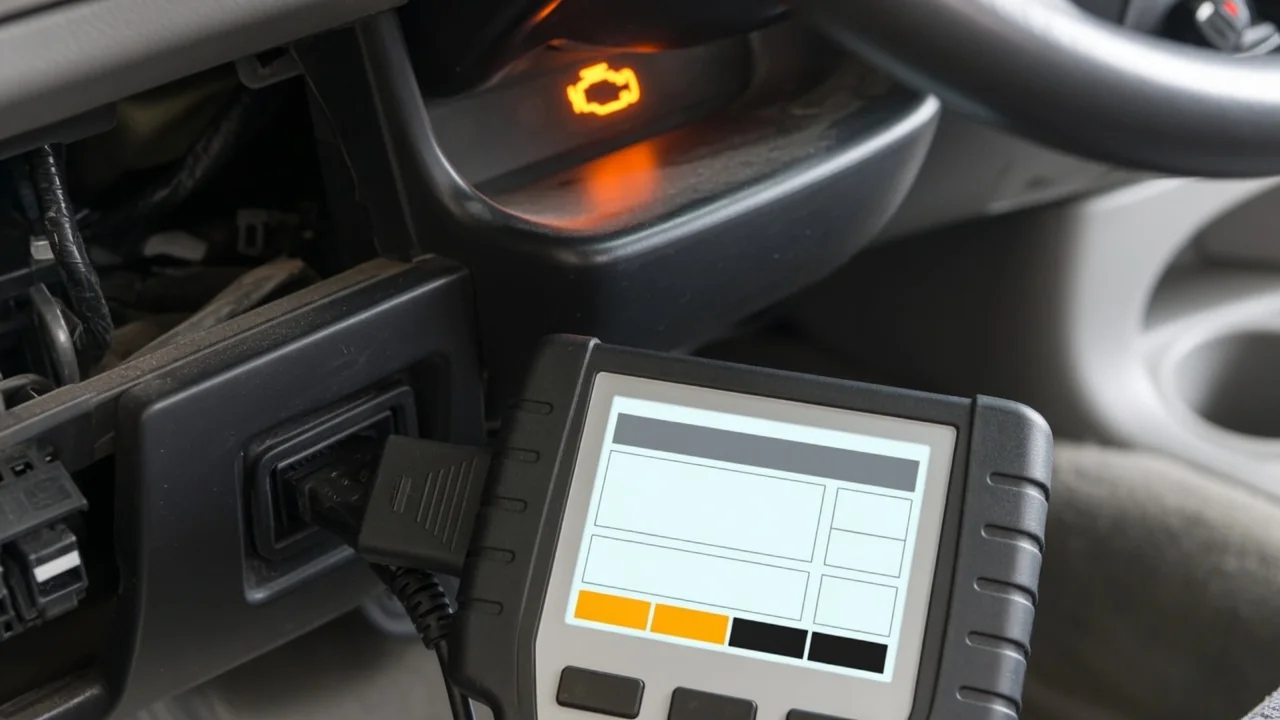
A P1190 code can leave a driver staring at a scan tool with no clear answer, because this is a manufacturer-specific trouble code. Unlike generic OBD-II faults, P1190 has no single universal meaning; its definition changes between makes, models, years, and engines. The check engine light may be on, but the repair path depends entirely on the vehicle's factory service information. Understanding how to read the code, what symptoms to watch for, and when professional diagnosis is needed prevents wasted parts and time.
What P1190 Means and Why the Definition Depends on Your Vehicle
P1190 belongs to the P1xxx range, which automakers reserve for their own powertrain control module (PCM) logic. The same code could point to a fuel pressure sensor circuit on one brand and a turbocharger control issue on another. Therefore, no reliable universal definition exists, and any generic code list that attempts one is misleading. The correct meaning must come from the vehicle's factory service information, a dealer-level scan tool, or a repair database that filters by the exact make, model, year, and engine.
Using a definition from a different brand is a common mistake that sends diagnosis in the wrong direction. For example, if a P1190 on a Saab is interpreted using a Nissan definition, a technician might test the wrong sensor or replace a part that is not faulty. Always confirm the code against the vehicle's specific service manual before performing any repair. A manufacturer-specific code is only useful when tied to the correct vehicle application.
How to Read the P1190 Code Correctly on Your Scan Tool
When you read P1190 on a scan tool, note the code status: pending, stored, or permanent. A pending code means the fault was detected once but not yet confirmed; a stored code has met the criteria to turn on the check engine light; a permanent code cannot be cleared until the PCM verifies the repair through a drive cycle. Before clearing anything, record the freeze frame data, which captures operating conditions such as engine temperature, load, speed, and fuel trims at the moment the fault occurred. This snapshot is invaluable for diagnosis.
Also write down any other stored codes, because related faults often appear together and can narrow the cause. A basic OBD-II code reader may show only a generic description or a blank field for manufacturer-specific P1xxx codes. That does not mean the code is unimportant; it means the reader lacks the manufacturer's definitions. A scan tool with enhanced or factory-level software will display the specific meaning and sometimes linked service bulletins, making it a better tool for initial review.
Symptoms Drivers May Notice When P1190 Is Stored
The most common symptom of P1190 is the check engine light. A steady light usually indicates a fault that may affect emissions or performance but does not require immediate stopping, while a flashing light signals a severe misfire or condition that could damage the catalytic converter and should be addressed immediately. Depending on the vehicle-specific definition, drivers may notice rough running, hesitation, reduced power, or changed fuel economy; these symptoms are not universal and depend on which system the code relates to.
Some vehicles may store P1190 with no noticeable driveability change at all. That absence of symptoms does not mean the fault can be ignored, because the PCM has detected a condition outside expected parameters. If the check engine light is flashing, the engine runs very poorly, or the vehicle enters a reduced-power or limp mode, reduce driving and seek professional help promptly. Continuing to drive under those conditions can cause further damage or leave the vehicle stranded.
Possible Cause Categories to Discuss With a Technician
Once the manufacturer definition is confirmed, possible causes usually fall into broad categories: sensor or circuit faults, wiring and connector problems, related mechanical conditions, and PCM software issues. A failed sensor, a chafed wire, a loose connector, or an upstream mechanical fault like a vacuum leak can all set the same code. Replacing a part without testing is not a diagnosis; the code only indicates a monitored value is out of range, not which component is at fault.
Technical service bulletins or software updates may apply to certain vehicles and can correct a false P1190 or refine the diagnostic strategy. A dealer can check bulletins by the vehicle identification number, which is more specific than a generic internet search. Avoid assuming exact failure rates or part numbers, since those details vary by model and production date. The most useful step is to gather the confirmed definition, freeze frame data, and any related codes before starting parts replacement.
Safe Checks You Can Do Before Booking a Diagnosis
Before booking a diagnosis, you can safely perform a visual inspection with the engine off and cool. Look for obviously disconnected connectors, damaged wiring, or loose hoses in the area that the verified P1190 definition points to. Do not probe electrical circuits or disassemble fuel system components, because modern vehicles have high-energy ignition and high-pressure fuel systems that can cause injury. Simply noting the condition of accessible wiring and connectors can sometimes reveal an easy fix.
Keep a log of when the check engine light comes on: cold start, highway cruise, idle, or after refueling. That pattern helps a technician reproduce the fault. Avoid clearing the code just to see if it returns; clearing erases freeze frame data and may reset readiness monitors, making diagnosis harder. A code that reappears tells you the fault is still present, but the stored conditions are often more useful than the simple fact of recurrence. Limit any testing to observation, not active electrical or fuel system work.
When Professional Testing Is Needed and What It Usually Involves
A professional shop will typically start by confirming the manufacturer-specific definition for your exact vehicle, then review live data with a factory-level scan tool. They follow the service manual's test procedures, which may involve checking circuit voltages, resistance, or signal waveforms with proper equipment. This approach is more reliable than swapping parts, because manufacturer-specific codes often require a specific test sequence to pinpoint the cause. The shop may also check for related technical service bulletins that apply to your VIN.
When you bring the vehicle in, ask what testing confirmed the cause and whether any bulletins or software updates apply. A good shop will explain the evidence, such as a sensor voltage that stays fixed when it should change. Exact repair prices are impossible to quote generically, because the cost depends on the confirmed cause, the vehicle, and local labor rates. A diagnosis fee is often separate from the repair cost, but it is usually worth it to avoid replacing parts that are not faulty.
Confirming the Repair and Preventing a Repeat P1190
After a repair, the check engine light may not go out immediately. The PCM runs readiness monitors during specific drive cycles, which can take several trips and varied driving conditions. A repair is confirmed only when the monitors complete and the light stays off; a scan tool can show which monitors are still incomplete. If the P1190 code returns after the repair, the original diagnosis should be reviewed rather than assuming the new part failed. A persistent code often means the root cause was not fully addressed.
General maintenance habits help prevent repeat P1190 faults: keep connectors clean and secure, inspect wiring for signs of chafing or heat damage, and address warning lights early. No universal service interval applies to all possible P1190-related components, but visual checks during routine oil changes can catch obvious problems. Until the readiness monitors complete, the vehicle may fail an emissions inspection with a not-ready result. Plan any inspection after enough driving to allow monitors to run.