P1189 Code: Manufacturer-Specific Meaning, Symptoms and Diagnosis
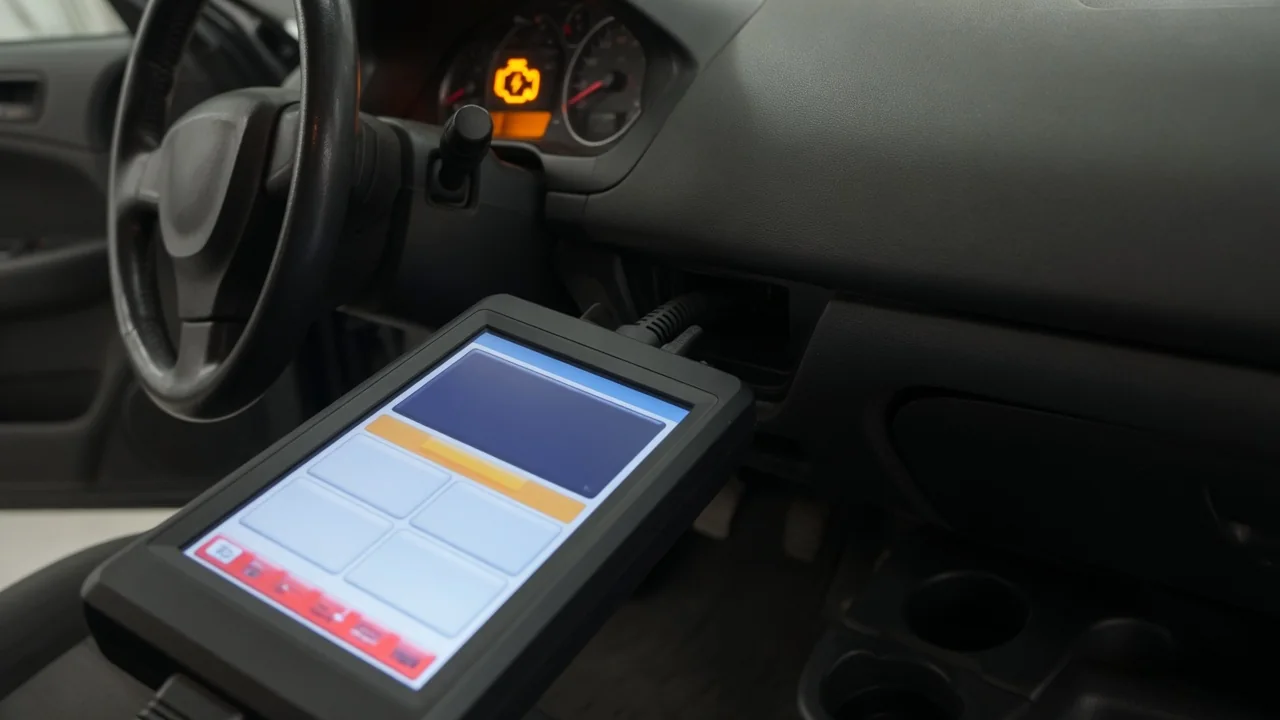
A P1189 code means your car’s engine control module has detected a condition outside its expected range, but the exact problem depends on the manufacturer. Because P1189 is a manufacturer-specific trouble code, the same number can point to different systems on different makes—fuel pressure on one vehicle, an intake air control on another. Correct diagnosis starts with confirming the definition for your exact model, then using the stored code and freeze-frame data to narrow the cause without guessing.
What the P1189 Code Is and Why Its Meaning Depends on the Manufacturer
P1189 falls within the P1xxx range of OBD-II diagnostic trouble codes, which automakers reserve for proprietary or manufacturer-specific definitions rather than a single universal meaning. This range allows each company to monitor systems unique to its vehicles, such as variable valve timing, turbo controls, or fuel delivery parameters. A stored code records a condition the engine computer detected—a sensor reading out of spec, a circuit fault, or a performance deviation—not a confirmed failed part, so the code is a starting point for diagnosis, not a definitive component verdict.
Before doing anything else, note the full code, any other stored codes, and the freeze-frame data captured when the fault occurred. Freeze-frame data can show engine temperature, rpm, load, and fuel trims at the moment the code set, which helps technicians recreate or understand the failure. Do not clear the code or disconnect the battery, because that erases this valuable snapshot. Record the symptoms and conditions too, as they often reveal whether the fault is intermittent, temperature-related, or load-dependent.
How to Confirm the Exact P1189 Definition for Your Vehicle
To confirm the exact P1189 definition for your vehicle, identify the precise make, model, year, and engine or VIN. Manufacturer service information—available from a dealership or a subscription-based repair database—will list the code’s intended meaning, enabling conditions, and diagnostic steps. A dealer can also verify the definition, though some shops may charge for a diagnostic inquiry. A scan tool with manufacturer-specific code support can display the code’s description as written by the automaker, whereas a generic code reader often shows only a vague or misleading label for P1189.
Reliable sources for the definition include the factory service manual, the manufacturer’s online service information system, or a dealership’s technical support. Generic online code lists should be used with caution because they may apply a default or common meaning that is incorrect for your vehicle. Check for manufacturer technical service bulletins through a dealer or official service information, though do not assume one exists for your exact problem. Other codes stored with P1189 can help narrow which system is involved, since manufacturer-specific codes sometimes accompany more universal codes that point to a shared circuit or subsystem.
Symptoms That May Come With a P1189 Code
Symptoms that come with a P1189 code depend entirely on which system the manufacturer ties to that number, so there is no single fixed list for all vehicles. The fault may affect fuel delivery, idle speed, emissions controls, or a sensor circuit, producing symptoms that range from subtle to severe. General signs worth noting include an illuminated check engine light, rough running, hard starting, hesitation on acceleration, reduced power, or a limp-home mode that limits engine output to protect the drivetrain. Some vehicles may show no drivability change at all while the code is stored, especially if the fault is intermittent or the control module can compensate.
Since the code does not dictate a single set of symptoms, recording when the symptoms happen is critical for the technician. Pay attention to whether the problem occurs on a cold start, a warm engine, at idle, under load, or only after extended driving. Note any additional warning lights or messages, and whether the condition clears after restarting. This information helps the technician correlate the stored code with specific operating conditions, often revealing the faulty circuit or component faster than the code alone would.
Possible Causes and the Limits of Guessing From the Code Alone
The possible causes behind a manufacturer-specific code like P1189 generally fall into a few categories: faulty sensors or actuators, wiring or connector problems, and control module or software issues. A sensor may drift out of specification, an actuator may stick or fail electrically, or a harness may develop high resistance or a short. Because PCM strategies vary by manufacturer, a P1189 on one vehicle might relate to a fuel pressure sensor circuit, while on another it could involve an exhaust gas recirculation valve or a secondary air injection system. Guessing from the code number alone often leads to replacing the wrong part, because the code indicates a circuit or system malfunction, not the failed component itself.
A code can be caused by a problem somewhere else in the same circuit or in a related system. For example, a low voltage reading could come from a bad sensor, a corroded connector, a broken wire, or a faulty control module driver. Diagnostic tests measure circuit integrity, power and ground feeds, and signal outputs to isolate the fault. Do not name specific parts, part numbers, or fault rates for any vehicle unless confirmed in the vehicle’s own service information. Manufacturer service procedures often include fault-tree steps that identify the root cause without guesswork.
Safe Checks Owners Can Do Before a Shop Visit
Before a shop visit, owners can perform limited visual checks to look for obvious problems with the engine off and cool. Inspect accessible wiring harnesses for chafing, cracked insulation, or signs of rodents, and check connectors for looseness or corrosion. Look for obvious fluid leaks, vacuum hose disconnections, or a loose gas cap, which can sometimes trigger fuel system or evaporative emissions codes. Do not touch hot components, probe high-pressure fuel parts, or open any live electrical circuits; these checks are limited to visible damaged wiring, loose or corroded connectors in easy-to-reach places, and clear leaks.
Avoid clearing the code before diagnosis, since that erases freeze-frame data technicians use to understand the fault. Instead, note whether the code comes back after a drive cycle and whether it shows as pending or confirmed. A pending code means the fault was detected once but not yet confirmed, while a confirmed code indicates the condition has occurred enough times to set the check engine light. This information helps the technician know if the fault is intermittent or consistent. Do not attempt repairs beyond visual inspection unless you have proper training and equipment.
When to Get Professional Testing and Whether the Car Is Safe to Drive
A technician typically checks the code by confirming its manufacturer-specific meaning, reading live data, testing circuits, and following the manufacturer’s diagnostic steps. A professional scan tool can display freeze-frame data, monitor sensor inputs in real time, and activate outputs to verify component operation. Wiring and connector tests, along with pinpoint tests from the service manual, isolate the root cause rather than relying on code descriptions. Many shops will also search for technical service bulletins that may streamline the repair.
Warning signs that call for stopping the vehicle and arranging a tow include a flashing check engine light, stalling, sudden loss of power, fuel smell, or overheating. A flashing check engine light usually indicates a severe misfire that can damage the catalytic converter. If the car drives normally with only a steady check engine light and no abnormal symptoms, it may be safe to drive to a repair facility, but avoid long trips until the code is diagnosed. Repair cost and difficulty depend on the confirmed cause, so no set price or single fix can be given. Ask the shop to explain the test results, show the faulty component, and confirm the repair fixed the problem before closing out the job.