P1188 Code: Meaning, Symptoms and Diagnosis
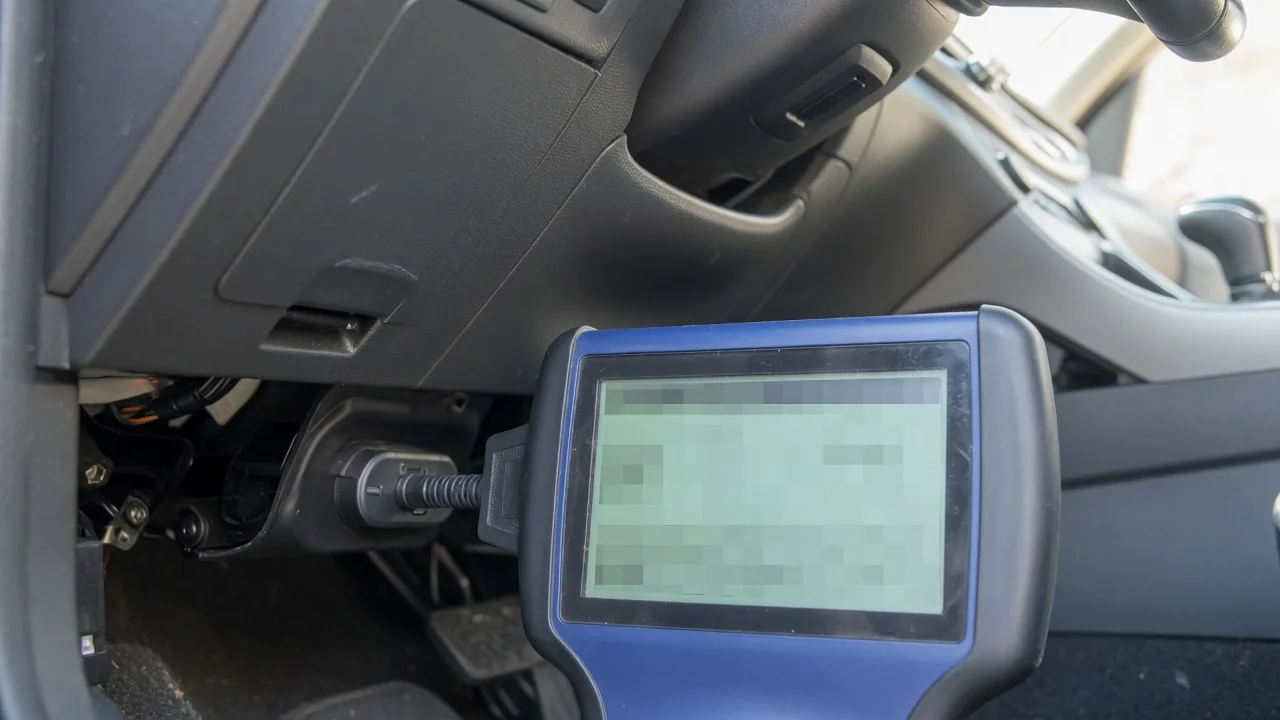
A P1188 code is a manufacturer-specific diagnostic trouble code whose meaning changes between makes, models, and model years. Unlike generic P0 codes, P1 codes are assigned by the vehicle manufacturer, so the same code can indicate different faults on different vehicles. Determining what P1188 means for a particular vehicle requires the exact description from the manufacturer and careful symptom observation before any repair can be planned.
What P1188 Means and Why Its Definition Depends on the Manufacturer
Generic OBD-II P0 codes share a common definition across all vehicles, which lets a basic code reader display a broad fault area. P1188, as a P1 code, is controlled by the vehicle manufacturer and can be assigned to unrelated systems from one brand to another. One carmaker might use it for a fuel pressure concern, while another could define it as a specific oxygen sensor circuit fault, making any universal definition impossible.
Because the code number alone is not enough, reading a generic forum post or an online lookup without matching the exact make, model, year, and engine can lead to the wrong diagnostic path. The same numeric code may have opposite meanings even within one manufacturer across different platforms. A precise vehicle-specific description is the only reliable starting point for understanding what the control module is trying to report.
How to Confirm the P1188 Definition for Your Vehicle
A basic OBD-II reader often shows only the code number and a generic or blank text field, so it cannot retrieve the manufacturer's enhanced code definition. To confirm what P1188 means, the scan tool must support the vehicle maker's factory codes, a capability usually found in pro-level or manufacturer-specific diagnostic equipment.
Record the full freeze frame data and note whether the code is stored, pending, or permanent, because these details reveal the operating conditions when the fault was detected. Any related codes should be written down too, since they can point to a shared circuit or a common connector. If two scan tools display different text for the same code, compare the data against factory service information or have the vehicle checked with the correct manufacturer software at a qualified shop.
Symptoms Drivers May Notice With a Stored P1188
Some vehicles will set P1188 and show only a check engine light with no noticeable change in how the car runs. In other makes, the same code can accompany a rough idle, hard starting, or hesitation under acceleration. Drivers should watch for any change in normal behavior, but not assume the code directly causes those symptoms until the exact definition is confirmed for that vehicle.
Pay attention to when the symptom appears. A stumble only on cold start, a fuel smell after refueling, or a misfire under wide-open throttle can all guide a technician toward the relevant subsystem. If the check engine light begins flashing, the engine misfires badly, or the vehicle loses power suddenly, it is safer to reduce driving and arrange a prompt inspection rather than continue to operate the car normally.
Possible Causes to Consider Once the Definition Is Known
Once the exact P1188 definition is confirmed, common cause categories include a faulty sensor circuit, damaged wiring or connectors, a calibration or software problem in the engine control module, or even a mechanical issue in the monitored system. No single part should be replaced based on the code number alone, because the fault may be in the wiring, a shared ground, or a data communication line instead.
Checking for technical service bulletins or software updates through a dealer can save diagnostic time. A manufacturer may have released a reflash or repair procedure that addresses a known false code or a wiring chafe point. Without this kind of vehicle-specific service information, a technician can still test circuits and compare measured values to the published specification, but they cannot assume a universal cause.
Safe Checks You Can Make Before Visiting a Shop
With the engine off and cool, a careful visual inspection of easy-to-reach connectors and harness sections may reveal obvious problems such as corrosion, a loose plug, or chafed insulation. These non-invasive checks can sometimes explain a code that appears intermittently, but they cannot verify the internal condition of a sensor or the continuity of every wire in the harness.
Clearing a code to see whether it returns may seem helpful, but doing so erases the freeze frame data that captures engine load, temperature, and speed at the moment the fault set. If the code comes back, record all data again before clearing. Avoid probing terminals with a test light, disconnecting fuel lines, or opening modules unless you have the correct wiring diagram, test values, and safety training for that specific system.
When P1188 Needs Professional Testing
Confirming a P1188 fault often requires the factory wiring diagram, specified voltage or resistance values, and a digital multimeter or oscilloscope to view signal waveforms over time. Intermittent faults may need a scan tool that can record live data while driving. A technician who has the right service information can isolate a weak signal without guessing or replacing parts that are still functioning.
Bring the full code list, freeze frame data, symptom notes, and any recent repairs to the appointment. Diagnostic time is a normal part of resolving a manufacturer-specific code, because the correct fix may be a pin fit, a software update, or a harness repair rather than a new component. After the repair, verify that the code does not return under similar conditions and that the readiness monitors complete normally.