P1187 Code: Meaning, Symptoms and Fixes
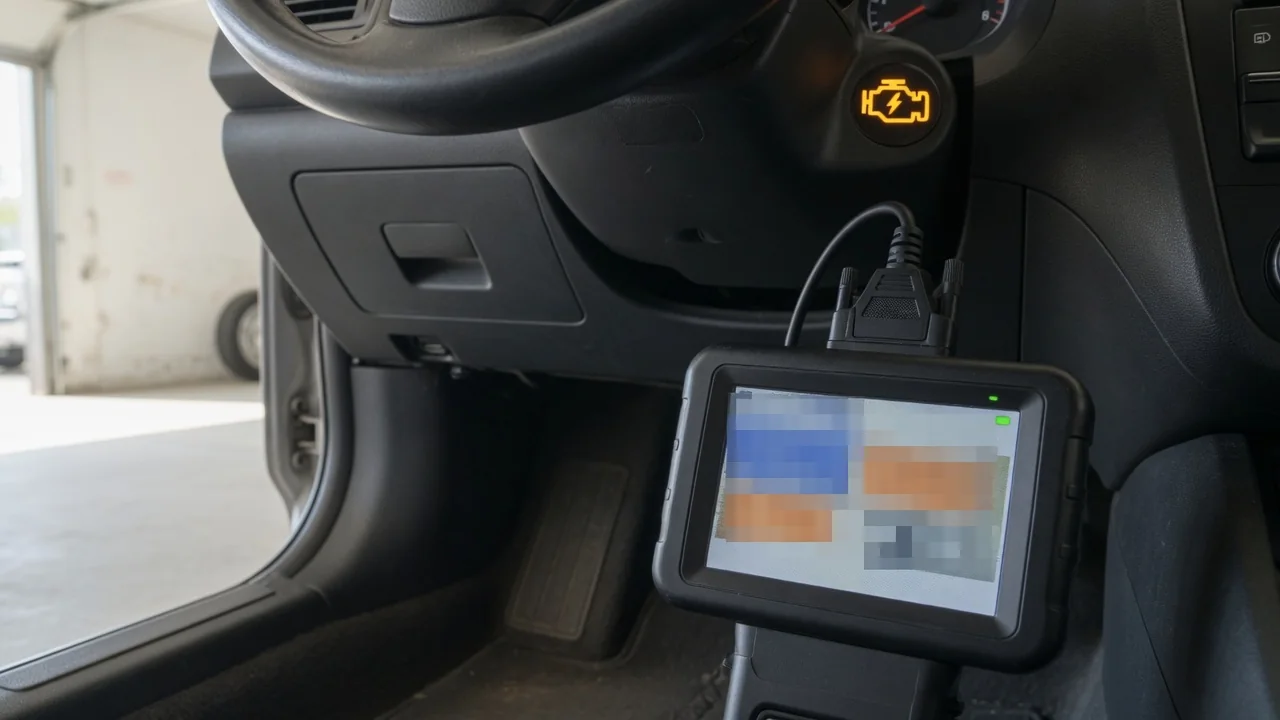
A P1187 code means your vehicle’s engine control module has detected a fault described only by the manufacturer, so its fixed meaning depends on the exact make, model, year and engine. The check engine light may be on, and you need the correct vehicle-specific definition before planning any repair. Write down every symptom, any recent work, and the scan tool’s full description plus freeze frame data. That diagnostic evidence is easier to gather before the code is cleared and often prevents unnecessary parts replacement.
What P1187 Means and Why the Definition Depends on the Manufacturer
P1187 is a manufacturer-specific powertrain code, signaled by the P1 prefix, which means different automakers can assign it to unrelated sensors, circuits, or control strategies. One brand may use it for a fuel pressure correlation fault while another ties it to an exhaust temperature sensor range issue. There is no universal OBD-II definition, so a generic online lookup is only a starting point and may be misleading.
Because the definition is not standardized, confirm P1187 for your exact vehicle with a factory service manual, dealer information, or a professional-grade scan tool that displays the manufacturer’s description. The text shown by the scan tool, together with freeze frame data captured at the moment the code set, is far more reliable than the five-character code alone. Rely on source material specific to your powertrain.
How to Read the Code Correctly Before Drawing Conclusions
Before you clear the fault, record the code status—whether it is pending, confirmed, or stored as history—and note every other diagnostic trouble code that appears. A pending P1187 means the condition was seen once but has not yet triggered the check engine light under every drive cycle. That status tells a technician how intermittent the problem may be and whether the computer is still testing the circuit.
Freeze frame data captures engine rpm, coolant temperature, vehicle speed, and fuel trims at the moment the code was recorded. Those numbers often point toward the operating condition that produced the fault, such as a cold start or highway load. Related codes stored at the same time can indicate a shared power supply, ground, or communication issue. Many basic code readers show only the number—not the manufacturer description—so an enhanced scan tool may be necessary to interpret P1187 correctly.
Symptoms Drivers May Notice With a Stored P1187
Symptoms with a stored P1187 depend entirely on what system the manufacturer’s definition covers, so one driver may notice rough idle while another sees no change at all. The code is simply the control module’s record of an unexpected reading; it does not guarantee the engine will behave differently. Write down how the check engine light acts—steady, flashing, or intermittent—along with any change in starting, shifting, power, or fuel economy.
Not every vehicle shows a drivability symptom, yet the code may still matter for emissions testing or long-term engine health. Record when any symptom appears: during a cold start, after the engine warms up, under hard acceleration, or at steady highway speed. The pattern often helps a technician choose the right diagnostic path, because the same code can point to different circuits depending on the operating condition that set it.
Possible Cause Categories to Discuss With a Technician
Once the vehicle-specific definition is confirmed, the possible causes of a P1187 generally fall into broad categories: a sensor or its circuit operating outside the expected range, damaged wiring or loose connectors, or a control module calibration issue. The code says which monitor failed, not which part is bad. A faulty reading can be caused by a weak connection, a chafed wire, a contaminated sensor, or even a software mismatch after a repair.
Treat the code as evidence, not a diagnosis. Buying a sensor or other component based only on the number often wastes money and may not fix the actual fault, because compatibility must match the exact application and the root cause must be proven with testing. The failure could be in the wiring between the sensor and the engine control module, in a shared sensor ground, or in the module’s own programming rather than in the part commonly blamed online.
Safe Checks Owners Can Do Without Tools or Risk
Some owners can perform a careful visual inspection without tools, looking for an obvious loose, disconnected, or damaged connector or a harness that has rubbed against a sharp edge. Only inspect parts you can see without removing covers or reaching near hot, moving, or high-voltage components. A connector that is not fully seated or a wire with cracked insulation is a simple finding, but it is still better to let a professional repair the wiring.
Think about whether the code appeared after a recent battery replacement, engine repair, sensor change, or module reflash. A disturbed connector or a sensor left unplugged during another service is a common cause of a new fault, and the repair history gives the technician a starting point. You can also ask a dealer whether any technical service bulletins or open recalls relate to the code for your vehicle, but do not attempt module programming or electrical repairs unless you are properly trained and equipped.
When P1187 Needs Professional Diagnosis
Confirming a manufacturer-specific P1187 usually requires the factory diagnostic procedure, wiring diagrams, and a scan tool that can read live data and perform bidirectional control. A technician may need to test sensor supply voltage, ground integrity, and signal return under specific conditions. Without the correct procedure for the make and model, even a skilled mechanic can waste time replacing good parts.
If the check engine light is flashing, the engine is misfiring severely, or you notice a sudden loss of power, overheating, or warning lights from other systems, limit driving and seek help promptly. Bring your written notes: code status, freeze frame data, any other codes, symptom behavior, and recent work. If P1187 returns after the code was cleared, the underlying condition was not corrected—clearing the code only erases the record, not the problem.