P1182 Code: Meaning, Symptoms and Diagnosis by Manufacturer
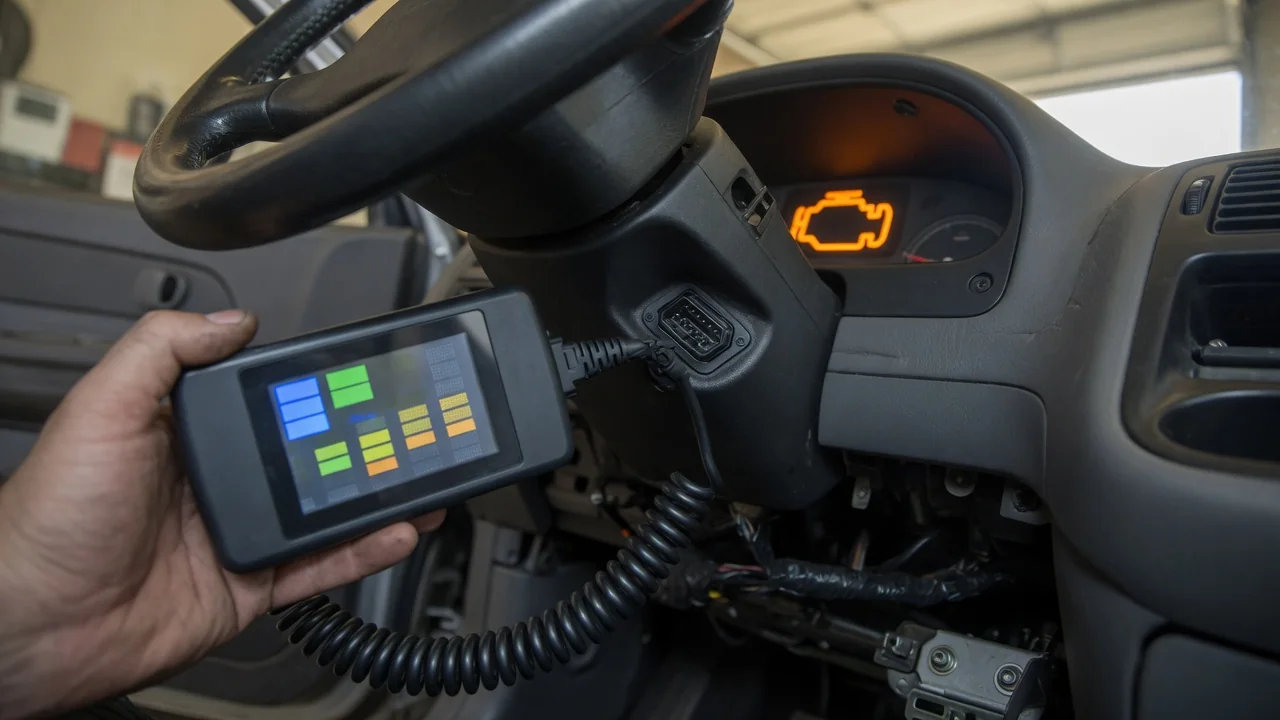
A P1182 code appearing on your scan tool can be confusing because it does not mean the same thing on every car. Unlike standardized P0 codes, the P1 range is reserved for manufacturer-specific powertrain faults. Your check engine light may be on for a circuit issue, a fuel system concern, or something else entirely depending on the automaker. To diagnose it correctly, you must first confirm the exact definition for your vehicle, not rely on a generic list.
What P1182 Means and Why the Definition Depends on Your Vehicle
The first character in a diagnostic trouble code tells you the code family. A P0xxx code follows a common SAE definition, but P1xxx codes are assigned by the vehicle manufacturer. That means P1182 can describe different systems on a Ford, a Volkswagen, or a Hyundai. The powertrain control module stores the code when a monitored circuit or function behaves outside the expected range, but only the factory documentation can tell you exactly what that range is for your engine and model year.
Because the same four characters can point to a fuel pressure sensor on one vehicle and an exhaust temperature circuit on another, acting on a generic definition can lead you to replace the wrong part. Before you interpret the fault or order components, use reliable service information for your exact vehicle. Avoid quick code-lookup websites that assign one fixed meaning to every P1182. A wrong definition wastes time and money, so treat the code as an address that still needs a map.
How to Confirm the Exact P1182 Definition for Your Car
A basic OBD-II scan tool may show only the code number and a short generic label. To get the real manufacturer definition, you need a scanner capable of displaying enhanced or factory-specific descriptions. Many professional tools can access these definitions once the vehicle make, model, and engine are entered. If your scanner cannot do this, the factory service manual or an online subscription service with OEM data is the next best source. Some repair shops will also read the definition for you.
When the code appears, record more than the number. Note whether it is pending, stored, or permanent, and save the freeze frame data that shows engine speed, temperature, and load at the moment the fault was set. Other trouble codes present at the same time can change how P1182 should be interpreted, because one underlying problem can set several codes. Without this context, the definition alone may not be enough to guide diagnosis.
Symptoms That May Appear With P1182
For many drivers, the only symptom of a P1182 code is an illuminated check engine light. The light may stay on steadily or appear only under certain driving conditions. Because the code is manufacturer-specific, the system involved determines whether you notice anything else. A fuel-related definition might cause a slight change in acceleration or fuel economy, while a sensor circuit fault could feel completely invisible from the driver's seat.
Pay attention to when the light comes on, the engine temperature at that time, and whether the symptom comes and goes. These details help a technician reproduce the fault, but they do not identify the cause by themselves. A P1182 code is a starting point for testing, not a conclusion. Without the exact vehicle-specific definition and proper electrical or mechanical checks, guessing from symptoms alone can mislead the diagnosis.
Common Cause Categories Behind a Manufacturer-Specific Code
Many manufacturer-specific powertrain codes are triggered by a few broad categories. Wiring and connector problems, such as corrosion, chafing, or loose terminals, can interrupt a sensor signal. The sensor or actuator itself may have an internal fault that causes the circuit to behave unusually. In some cases, the powertrain control module detects an implausible value from an otherwise functioning component and sets the code.
Recent work on the vehicle can also be connected to a new code. A disconnected battery, an aftermarket accessory, or a repair that disturbed a harness can leave a connector not fully seated. These are possibilities to consider, not a confirmed cause list. P1182 on one vehicle may have nothing in common with the same code on another, so avoid assuming a common failure rate or a specific part until testing supports it.
Safe Checks You Can Do Before Visiting a Shop
Before taking the car to a shop, you can perform a careful visual inspection with the engine off and cool. Look at the wiring and connectors in the area the manufacturer's definition points to. Obvious damage like cracked insulation, green corrosion, or a connector that has pulled apart can sometimes be spotted without tools. Do not unplug or repair anything, but simply noting what you see can help the technician.
Resist the urge to clear the code just to make the light go off. Clearing erases the freeze frame data and code status, which are valuable clues. If you do clear it, watching whether the code returns can tell you if the fault is currently active or intermittent, but that information is limited. Never attempt work on fuel system components, high-voltage circuits, or airbag wiring yourself, as those areas carry serious safety risks.
When P1182 Needs Professional Diagnosis
Confirming a manufacturer-specific code usually requires factory test procedures. These step by step instructions often depend on wiring diagrams, special tools, or a scan tool that can command actuators and read live data. A professional technician has access to this information and the training to interpret it safely. Without the correct diagnostic path, even an experienced DIYer can waste hours and risk damaging sensitive electronics.
Certain symptoms mean the car should be checked promptly. Stalling, hard starting, a fuel smell, or a flashing check engine light suggest a condition that could damage the catalytic converter or leave you stranded. When you take the car in, ask the shop which vehicle-specific definition they used and what tests led to their conclusion. Also ask if any technical service bulletins or software updates apply, though their existence should not be assumed.
Understanding Repair Options and Clearing the Code
The correct repair depends entirely on what the confirmed definition and testing reveal. A wiring repair, a replacement sensor or actuator, or a software update to the powertrain control module are all possible outcomes. After the true fault is fixed, the code should stay cleared once the drive cycle conditions are met and the system passes its self test. No special clearing procedure should be needed if the repair was successful.
Avoid replacing parts based on guesswork. A new sensor will not fix a broken wire, and a wiring repair will not help a failed component. Because P1182 means different things on different vehicles, the only safe path is to follow the manufacturer's diagnostic routine. Money spent on a proper diagnosis is almost always less than the cost of parts thrown at the problem without evidence.