P1181 Code: Meaning, Symptoms and Fixes
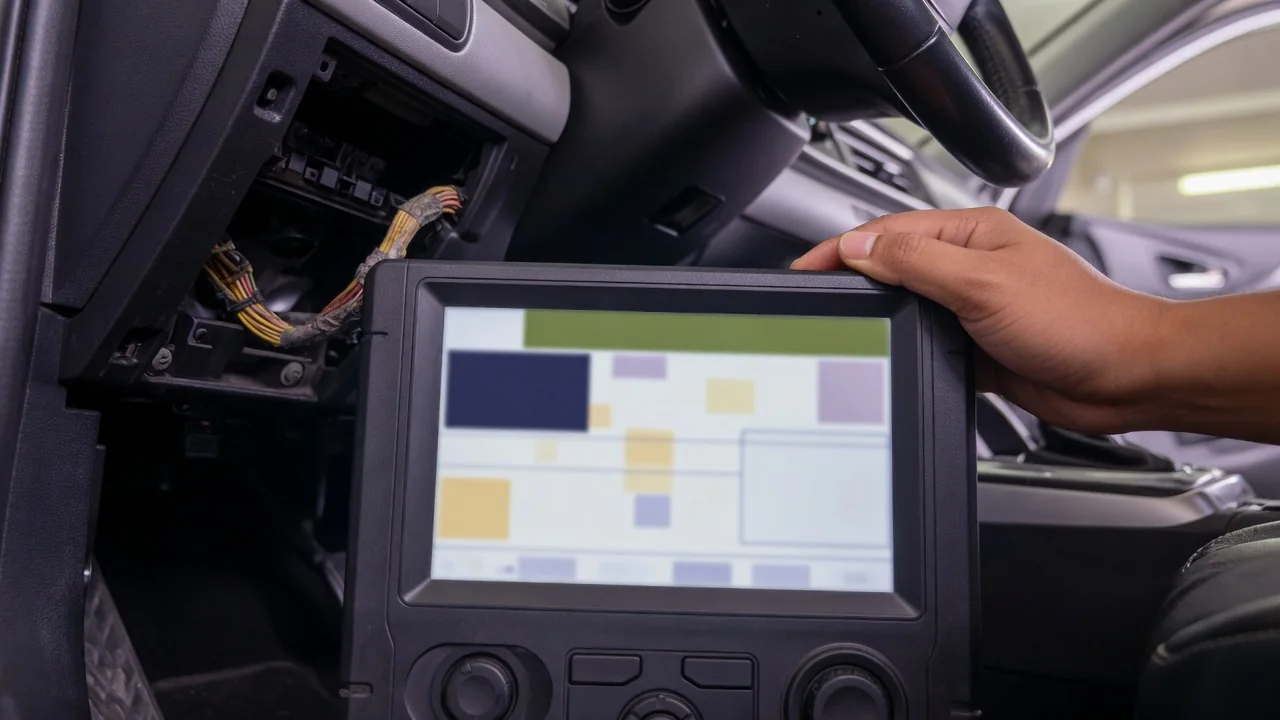
A P1181 code can be confusing because its meaning depends on the vehicle manufacturer. Unlike generic OBD-II codes, P1xxx codes are manufacturer-specific, so the same number may point to different systems in different cars. A check engine light with P1181 stored usually means the powertrain control module detected a fault in a monitored circuit or sensor, but the exact definition must be confirmed for your make, model, year, and engine before any diagnosis.
What P1181 Means and Why the Definition Varies by Manufacturer
The P1xxx range is reserved for manufacturer-controlled codes, so P1181 has no single universal definition. On one vehicle it might relate to a fuel pressure sensor; on another it could involve an intake air temperature circuit or an emissions component. The only reliable way to know what the code means for your car is to check factory service information for that specific application or use an enhanced scan tool that can display the manufacturer's description.
Generic online code lists often show a one-line definition that may not apply to your vehicle, and acting on that guess can send you down the wrong repair path. Basic OBD-II readers may show only the alphanumeric code or a vague label like 'Manufacturer Control Fuel Air Metering.' An enhanced scan tool with manufacturer-specific software can retrieve the detailed definition, additional sub-codes, and live data that narrow down the actual fault.
How to Record the Code and Freeze Frame Data Before Anything Is Cleared
Before clearing anything, write down the exact code and every other stored or pending diagnostic trouble code. Also record the freeze frame data, which captures a snapshot of engine conditions such as temperature, load, rpm, and vehicle speed at the moment the code was set. This information shows whether the fault occurred during a cold start, at idle, under acceleration, or in other specific conditions that can guide testing.
Clearing codes too early erases that valuable information and resets readiness monitors, which can make an emissions inspection fail until the computer has completed several drive cycles. Note whether the check engine light is steady or flashing. A steady light usually means the vehicle can be driven cautiously to a shop, but a flashing light indicates a misfire severe enough to damage the catalytic converter, so stop driving and seek help promptly.
Symptoms Drivers May Notice With a P1181 Code
Symptoms vary widely because P1181 is tied to different systems depending on the manufacturer. Some drivers report rough running, hesitation, hard starting, reduced power, or worse fuel economy. A gauge may read strangely, or the engine may surge or stall. However, none of these symptoms can be assumed for every vehicle with this code; the actual behavior depends on what the code definition identifies.
A P1181 code can also be stored with no noticeable driving symptoms. The check engine light may be the only sign. That does not mean the fault is harmless, because some issues affect emissions or cause damage over time without immediate drivability changes. Keep a mental note of when symptoms appear—cold start, fully warm, idle, or under load—because technicians use that pattern to reproduce the problem during diagnosis.
Possible Causes Once the Vehicle-Specific Definition Is Confirmed
Once you confirm the vehicle-specific definition of P1181, you can begin narrowing causes. For most sensor or circuit codes, the general categories include damaged or corroded wiring and connectors, a faulty sensor or component in the referenced circuit, or a problem with the control module or its software. The code tells you which circuit the computer monitors, but it does not identify which part in that circuit has actually failed.
Related codes stored at the same time often matter more for diagnosis than P1181 alone. For example, a lean condition code or an oxygen sensor code might point to a common cause affecting multiple systems. Avoid replacing parts based on the code number alone. A stored code is evidence of a condition the computer detected, not proof that a specific component is bad, so systematic testing is needed before spending money.
Safe Checks a Driver Can Make Without Taking Anything Apart
With the engine off and cool, you can visually inspect easy-to-reach wiring and connectors for obvious damage such as cuts, melted insulation, corrosion, or signs of rodent chewing. Pay attention to areas near heat sources or moving parts. A loose or partially disconnected connector can cause intermittent codes. Do not attempt to disassemble components or probe electrical circuits unless you have proper training and tools.
Check the battery condition and cable connections. Low system voltage or a weak battery can cause odd or intermittent codes on some vehicles because sensors and modules depend on stable power. Clean and tighten loose terminals if needed. Also ask a dealership service department whether any technical service bulletins or software updates exist for your vehicle's code, since a reflash may address a known issue without replacing parts. Finding nothing obviously wrong does not rule out a fault.
When a P1181 Code Needs Professional Testing
Confirming the cause of a P1181 code usually requires the manufacturer's diagnostic test steps, live data viewing, and electrical testing with a digital multimeter or lab scope. A professional can follow the circuit tests that isolate the fault. Signs that call for prompt professional help include a flashing check engine light, overheating, stalling, significant loss of power, or any drivability problem that affects your ability to drive safely.
If the code comes back after clearing, or appears only intermittently, guided testing is more effective than guesswork. When you visit a shop, bring the recorded codes, the freeze frame data, a written description of when the symptoms occur, and mention any recent repairs or battery work. That background helps the technician focus on likely causes and avoid duplicating work already done.
After the Repair: Confirming P1181 Is Resolved
After the repair is completed, the technician should clear the code and then drive the vehicle through conditions similar to those recorded in the freeze frame data. That means using the car until the engine reaches normal operating temperature, then operating it at similar speeds and loads. This drive cycle lets the computer run its monitors and confirm that the fault has not reappeared.
Readiness monitors must all complete before the vehicle is ready for an emissions test, and that can take several drive cycles over a few days. After driving, recheck for pending codes using a scan tool. A pending code means the computer has seen the fault again but has not yet turned on the light. If P1181 returns, do not simply replace more parts. Revisit the diagnosis, look for loose connections, compare live data, and follow the manufacturer's test plan from the beginning.