P1178 Code: Meaning, Symptoms and Fixes
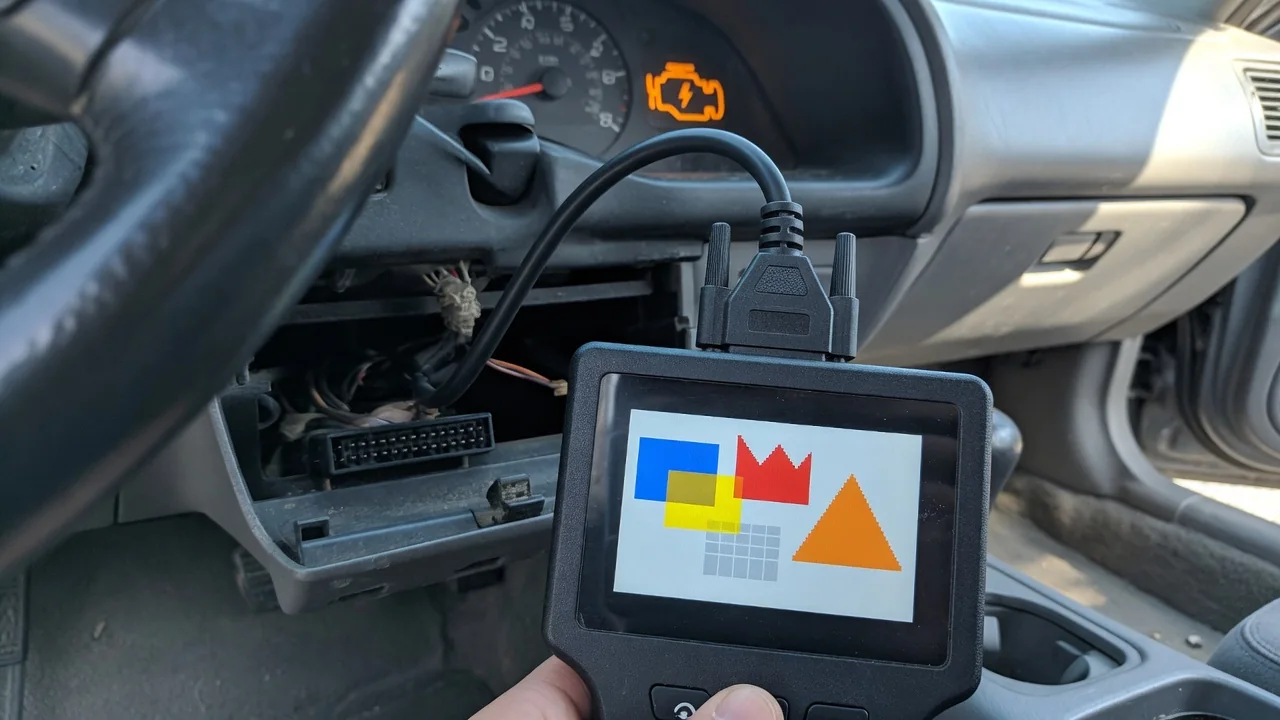
A P1178 code is a manufacturer-specific diagnostic trouble code, so its meaning changes depending on the vehicle brand, model, year, and engine. Because P1xxx codes are not standardized, a generic code list can mislead. The correct definition must come from a scan tool with manufacturer-specific libraries, factory service information, or a dealer. Only after confirming the exact meaning can a driver understand what triggered the check engine light, which symptoms may appear, and which tests matter. Guessing a universal fix from the code number often wastes money on parts that were never faulty.
What P1178 Means and Why the Definition Depends on the Manufacturer
P1178 belongs to the P1xxx range, which automakers reserve for proprietary fault definitions rather than standardized OBD-II emissions codes. One manufacturer may use P1178 for a fuel pressure sensor performance issue, while another assigns it to an intake air temperature circuit fault or a transmission range sensor problem. No single meaning applies to every vehicle, so reading a forum post about a different brand can point diagnosis in the wrong direction. Always pair the code with exact vehicle identification information.
The most dependable way to confirm the definition starts with a professional scan tool that includes the manufacturer’s expanded code list. Factory service information or a call to a dealer service department can also provide the exact fault description. Avoid generic code libraries that present one average explanation for every P1178. Since the confirmed definition determines which symptoms are plausible, which components to inspect, and whether driving is safe, verifying it is not a technical formality — it is the foundation for every later decision.
Reading the P1178 Code Correctly With a Scan Tool
A basic OBD-II reader may only display the numeric code and a generic sentence such as “manufacturer control” or “fuel air metering,” which is not enough for confident interpretation. A full-function scanner with enhanced manufacturer-specific descriptions is needed to show the proper label. Before clearing anything, record the freeze frame data: engine rpm, coolant temperature, vehicle speed, fuel trim, and load at the moment the fault was stored. Also note whether the code is pending, confirmed, or permanent, since each status reveals how recently or how often the condition occurred.
Scan for companion codes before assuming P1178 is the only problem. A simultaneous misfire, oxygen sensor, or circuit code often provides the real clue, while P1178 may be a consequence rather than the cause. For example, a lean condition code stored next to P1178 can point to a shared sensor input or a wiring harness concern. Clear the code only after writing down all details, because clearing erases the freeze frame and resets readiness monitors. Losing that evidence makes the next diagnostic visit longer and less precise.
Symptoms Drivers May Notice When P1178 Is Stored
Because P1178 can be tied to different systems depending on the manufacturer, there is no universal symptom list. One driver may notice rough cold starts, while another sees no change in behavior beyond the illuminated check engine light. Idle quality can become uneven, throttle response may feel delayed, or fuel economy may drop slightly as the engine control module substitutes a default value for a missing or implausible signal. In some cases the transmission may shift differently if the code relates to a range sensor or line pressure control.
Drivers should record when symptoms appear rather than guessing what caused them. Note whether the issue occurs only on a cold start, after the engine warms up, under acceleration, at highway speed, or during damp weather. That pattern helps a technician connect the code to a specific circuit or sensor behavior. Many vehicles will store P1178 without any drivability complaint, especially during the first occurrence. Even with no symptoms, the check engine light still prevents passing an emissions test in most regions, so the code cannot be ignored indefinitely.
Possible Cause Categories Without Guessing the Fault
Possible causes for a manufacturer-specific code like P1178 generally fall into a few broad categories: a sensor or actuator drifting out of range, a wiring or connector issue intermittently changing a signal, or a control module problem such as corrupted software or an internal driver fault. The verified manufacturer definition narrows these categories. A fuel-related P1178 might involve pressure sensor, injector circuit, or fuel pump control faults, while an emission-related definition might point to purge valve or exhaust pressure sensor wiring.
Replacing a component based only on the code number is a common and expensive mistake. A sensor can set a code because its supply voltage is low from a chafed wire, not because the sensor itself is bad. A software calibration issue can mimic a hard component failure. Technical service bulletins sometimes describe exactly these misdiagnoses and offer an updated calibration or a revised connector. Before paying for parts, ask a dealer to check for bulletins matching the vehicle’s VIN and the stored P1178 definition.
Safe Checks You Can Do Before Visiting a Shop
With the engine off and cool, a visual check of accessible wiring and connectors can reveal obvious damage. Look for loose or corroded terminals, cracked insulation, harness sections rubbed against brackets, or signs of rodent damage. Do not disconnect battery cables before inspecting, because that can erase freeze frame data and make professional diagnosis harder. Wiggle connectors gently only if the ignition is off and the area is safe, and never pierce wire insulation with a test light without understanding the circuit.
Clearing the code and driving normally can show whether the fault returns, but this is a test, not a fix. If P1178 comes back immediately after a cold start, the condition is likely present all the time. If it takes several drive cycles, the problem may be intermittent and depend on temperature, vibration, or moisture. Without wiring diagrams and proper test equipment, a visual check cannot prove whether a signal is out of range or a connector is making poor contact. Avoid touching high-voltage ignition components, fuel lines, or airbag wiring during any at-home inspection.
When Professional Diagnosis Is Needed for P1178
Professional diagnosis becomes necessary when P1178 returns after a simple drive cycle, when drivability worsens, or when the check engine light flashes. A flashing light usually indicates a misfire severe enough to damage the catalytic converter, so continuing to drive is not worth the risk. A technician will first confirm the manufacturer-specific definition using factory-level information, then review freeze frame data and live sensor values. Pinpoint tests from the factory service manual measure circuit resistance, reference voltage, and signal plausibility under controlled conditions.
If the vehicle stalls, loses power unexpectedly, or displays other safety warnings such as reduced engine power or limp mode, stop driving and arrange for towing. A fuel pressure or throttle control fault tied to P1178 on some models can make the car unsafe in traffic. Bring written notes to the shop: when the light came on, which symptoms appeared, what the freeze frame showed, and whether any other codes were present. This information shortens diagnostic time and reduces the chance of unnecessary part replacement.
Fixing P1178 and Confirming the Repair Worked
The correct repair depends entirely on the verified definition and the results of pinpoint testing. A wiring repair may be all that is needed, or a sensor may be replaced after its signal is proven out of range. A software update may be applied without any hardware change. Once the repair is completed, the technician clears all codes and performs the necessary drive cycles to satisfy readiness monitors. The vehicle should be driven through varied conditions — cold start, steady cruise, and normal acceleration — so the engine control module can run its self-tests.
After clearing, emissions readiness monitors may take several days of normal driving to complete, especially on older vehicles. If the inspection is due soon, plan the repair with enough time for monitors to run. Keep a record of the diagnosis, the exact code definition, the test results, and the repair performed. If P1178 or a related code returns later, that history will show whether the same condition reappeared or a new fault developed, preventing another round of guesswork.