P1173 Code: Meaning, Symptoms and Fixes by Manufacturer
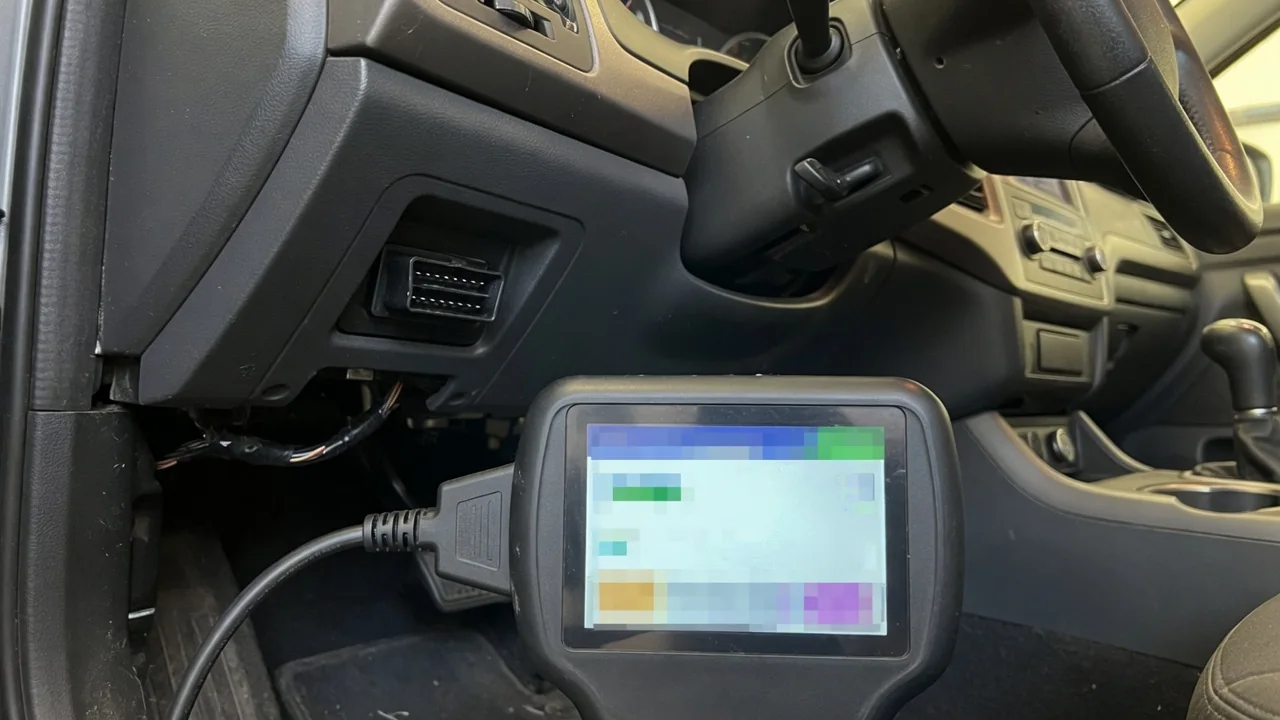
A P1173 code leaves many drivers puzzled because it does not have one fixed meaning across all vehicles. Unlike standardized powertrain codes, the P1xxx range is reserved for manufacturer-specific definitions, so the same code can refer to different systems depending on the make and model. The check engine light may be the only symptom, or you may notice rough running or reduced power. To diagnose it correctly, you need the exact definition for your vehicle, not a generic list found online.
What P1173 Means and Why It Differs Between Manufacturers
In OBD-II diagnostics, codes starting with P1 are manufacturer-controlled, meaning each automaker can assign them to different sensors or circuits. P1173 has no universal translation; for one brand it might indicate a fuel trim issue, while on another it could point to a variable valve timing actuator. This is why you must confirm the vehicle-specific meaning for your exact make, model, year, and engine before drawing any conclusions about what failed.
To confirm the definition reliably, use a scan tool that includes manufacturer-enhanced descriptions, or consult factory service information for your vehicle. A dealer or qualified independent shop with access to the proper repair database can also verify the code's meaning. Avoid relying on a generic online definition that may belong to a different brand; acting on the wrong interpretation can lead to replacing good parts and missing the true problem.
Reading the Code Correctly with a Scan Tool
A basic OBD-II code reader may show only the number and a generic description that is often wrong for P1xxx codes. A professional-grade scan tool can display the manufacturer-specific text, live data, and additional details about when the fault was set. Before clearing anything, record all stored codes, freeze frame data, and the code status—whether it is pending, confirmed, or history. This information captures the operating conditions when the problem occurred.
Companion codes are especially important with manufacturer-specific faults because they may reveal a shared circuit, a communication issue, or a secondary failure that caused the first. Clearing the code without saving this data erases valuable diagnostic evidence. Without the freeze frame, a technician may struggle to reproduce the fault, making the diagnosis slower and more expensive. Always preserve the full scan report before taking further action.
Symptoms Drivers May Notice with P1173
The symptoms associated with P1173 depend entirely on which system the manufacturer has assigned the code to. Some vehicles will show only a check engine light with no noticeable change in how the car drives. Others may exhibit rough running, hesitation during acceleration, a change in idle speed, or reduced power. Because the code is not standardized, the presence or absence of drivability complaints does not tell you which part is at fault.
Pay attention to when the symptoms occur. Does the problem appear only on a cold start, after the engine warms up, under hard acceleration, or while cruising at steady speed? Note the conditions and share them with your technician, as this can narrow the search. If the vehicle enters a reduced-power mode, runs very poorly, or the check engine light flashes, pull over safely and seek professional help immediately to avoid further damage.
Possible Cause Categories to Discuss After Confirming the Definition
Once you have confirmed the exact meaning of P1173 for your vehicle, the possible causes fall into broad categories rather than a single part. These include sensor signal problems such as an out-of-range reading, wiring or connector issues like corrosion or chafing, a faulty component such as a valve or actuator, or a control module software concern that requires an update. The correct list depends entirely on the confirmed definition.
Avoid assuming that any one of these categories is the most common or that a specific part is definitely bad. Replacing parts based on the code number alone often wastes money because many failures share the same symptom code. For example, a wiring fault can mimic a failed sensor, and a software issue can set the same code as a mechanical fault. Proper testing is needed to isolate the actual cause before buying any components.
Safe Checks an Owner Can Do Before Visiting a Shop
With the engine off and cool, you can perform a careful visual inspection of accessible wiring and connectors. Look for obvious damage such as cracked insulation, loose plugs, or wires that have rubbed against a bracket. Do not disconnect or probe anything unless you know the system, but a plain view inspection can sometimes find a simple cause like a connector that was not fully seated after recent work.
You can also check with a dealer to see if a technical service bulletin or software update applies to your vehicle, though this does not guarantee one exists. Document any symptoms, driving conditions, and recent repairs to share with the technician. Home inspection has clear limits: electrical testing requires proper tools and wiring diagrams, and guessing at circuits can lead to damage or injury. Leave those checks to a professional.
When Professional Diagnosis Is Needed
Pinpoint testing for a manufacturer-specific code usually requires the factory diagnostic procedures, live data analysis, and electrical measurement tools. A technician will first verify the exact code definition, then monitor related data values to see what is out of range. They may test circuit integrity with a digital multimeter, check connector pin tension, and operate the suspected component with a scan tool to confirm whether it responds correctly.
Seek professional help if the code returns after being cleared, if symptoms worsen, or if the car becomes unsafe to drive. A flashing check engine light indicates a misfire that could damage the catalytic converter. When you take the car in, ask the shop to explain the test results that support their recommended repair. A trustworthy technician will show which measurement failed and why the proposed fix will address it.
After the Repair: Confirming the Fix
After a repair, the check engine light may not turn off immediately. Many vehicles require a specific drive cycle or several trips for the computer to run its monitors and clear the code. Drive normally and then recheck for pending codes with a scan tool. A pending code means the fault has been detected again but not yet confirmed, signaling that the problem may not be fully resolved.
If your state requires an emissions inspection, the readiness monitors must complete before you can pass. Incomplete monitors can cause a rejection even with no light on. If P1173 returns after the repair, do not simply repeat the same fix. Rediagnosis is always better because the original repair may have been wrong, or a related fault may now be present. A returned code is new evidence, not a guarantee of the same failure.