P1172 Code: Verify Its Meaning, Symptoms and Repair Steps
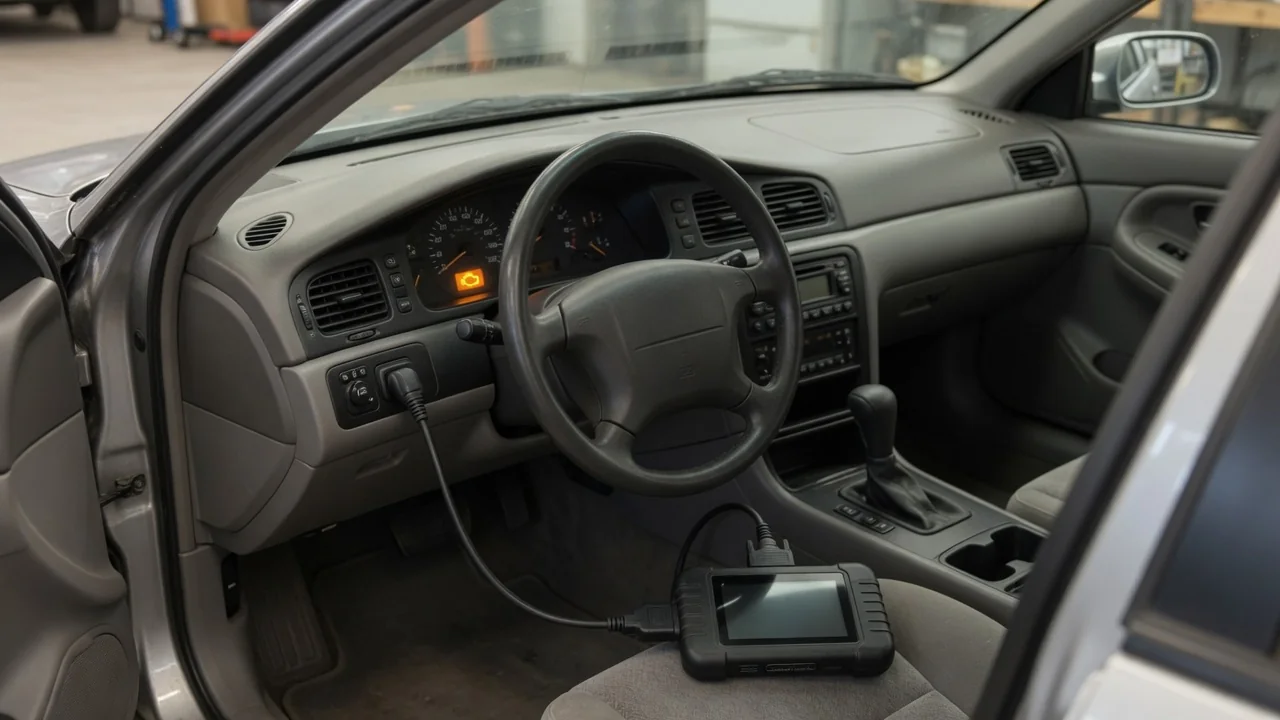
P1172 is a manufacturer-specific trouble code, so it does not carry one universal definition. A scan tool may report a p1172 code with a short description, yet that wording still needs confirmation against the vehicle identification and the maker's service information. Until those details are matched, treat the stored result as a starting point for diagnosis rather than proof that a named part has already failed.
Verify What P1172 Means for Your Vehicle
Unlike many standardized powertrain codes, P1172 is manufacturer-dependent. Two vehicles can store the same alphanumeric result and still be describing different monitored conditions. Before interpreting the code, confirm make, model, model year, engine, and the service information that applies to that combination. A generic database or a scanner's default text is not a substitute for those identifiers, because the control module that set the code follows the definition written for that application.
A scanner's short description is a convenience label, not a confirmed system name. It may mention a sensor, mixture, or other monitored value, yet the wording can be abbreviated, translated poorly, or drawn from another market. Naming an affected system or component from that snippet alone risks sending diagnostic testing down the wrong path. Match the stored p1172 code to the manufacturer's definition first, then use that confirmed meaning to decide which circuit or condition the procedure actually evaluates.
Record Symptoms and Decide Whether to Keep Driving
Record what the vehicle is doing now rather than assuming a standard P1172 symptom list. Note rough running, hard starting, reduced power, unusual fuel use, hesitation, or no noticeable change at all. Include when the check engine light came on, whether it stays steady, and whether pending codes were already present. These observations describe the current condition; they do not convert the stored code into a universal failure pattern, because manufacturer-specific meanings can produce very different driver-facing effects.
A stored p1172 code is not by itself a decision about driving safety. The module may have captured a past event while the vehicle now runs normally, or a serious problem may exist with little stored history. Stop safely and seek assistance if the check engine light flashes, or if there is severe shaking, stalling, overheating, or a strong fuel odor. Those signs describe an unsafe operating condition that needs immediate attention, independent of how a scanner labels the stored result.
Preserve the Scan Information Before Clearing Anything
Save the exact code description, its status as current or pending, any companion codes, and available freeze-frame data before anyone clears the memory. Freeze-frame data can show engine speed, load, temperature, and related values at the moment the condition was stored, which later diagnostic testing can compare with live readings. Companion codes may point to a related circuit or a different system that set at the same time. Without that snapshot, a technician loses context that the control module will not reconstruct from memory after an erase.
Also record whether the warning appeared during a cold start, warm operation, acceleration, idle, or another identifiable condition. That timing often matters more than the alphanumeric result itself once the manufacturer definition is confirmed. Clearing codes or disconnecting the battery can erase pending codes and freeze-frame data along with the check engine light command. An empty memory does not prove a fault has been repaired; it only removes evidence that would have guided the next test steps.
Connect Possible Causes to the Confirmed Definition
Possible causes belong to the verified vehicle-specific definition and its diagnostic procedure, not to a generic P1172 parts list. After the meaning is confirmed, follow the steps written for that application rather than substituting guesses from another brand. If the confirmed definition names a sensor or a monitored condition, treat that wording as the item the module evaluated, not as proof the named component has failed. Wiring faults, connector issues, and related system conditions can set the same result when the procedure says those paths are in play.
Discuss circuits, connectors, component operation, and related conditions only where the applicable diagnostic information supports them. An unverified catalog of common replacements is not diagnosis, especially for a manufacturer-specific trouble code whose monitored parameter changes by application. The confirmed procedure tells the technician which values to compare, which circuits to inspect, and which related systems could influence the result. Until those steps are followed, replacing a part named in a scanner line is speculation rather than a supported repair decision.
Make Safe Observations and Know When Testing Is Needed
Document recent repairs, maintenance, battery disconnects, jump starts, and the timing of symptoms before a technician begins work. Those notes can explain a newly stored p1172 code after a service event or show that the condition predates the latest work. Limit owner inspection to visible concerns with the vehicle parked and the engine off. Look for obvious loose connectors, damaged insulation, or fluid leaks that can be seen without tools, and avoid hot surfaces, moving parts, electrical probing, and fuel-system work.
A technician uses the confirmed diagnostic procedure, relevant live data, and targeted tests to establish the cause before recommending a repair. Live data can show whether a monitored value still sits outside the expected range, while targeted tests check the circuit or condition the procedure actually names. That sequence is how diagnostic testing turns a stored manufacturer-specific trouble code into a supported conclusion. Skipping those steps and installing a part because the scanner mentioned it leaves the original condition unproven and the check engine light likely to return.
Choose a Supported Repair and Confirm the Result
The appropriate fix depends on the verified cause. P1172 alone is not enough to recommend a replacement part, because the same stored result can come from wiring, a related system condition, or a component that is operating outside the expected range. Once testing identifies the supported cause, the repair should match that finding rather than the scanner's short label. If the procedure calls for a circuit repair, a connection service, or a software update instead of a part swap, that directed action is the repair, not a guess from a generic list.
Confirm the result with a follow-up scan, a check of the original symptoms, and the manufacturer verification procedure for that application. An extinguished warning light right after code clearing is not proof of success, because the module may need specific operating conditions before it reevaluates the monitored value. If the p1172 code or related pending codes return, further diagnosis is required rather than repeating the same replacement. Successful verification means the stored condition stays gone under the conditions that originally set it, and the vehicle's behavior matches the expected result of the completed repair.