P1168 Code: Vehicle-Specific Meaning, Symptoms and Diagnosis
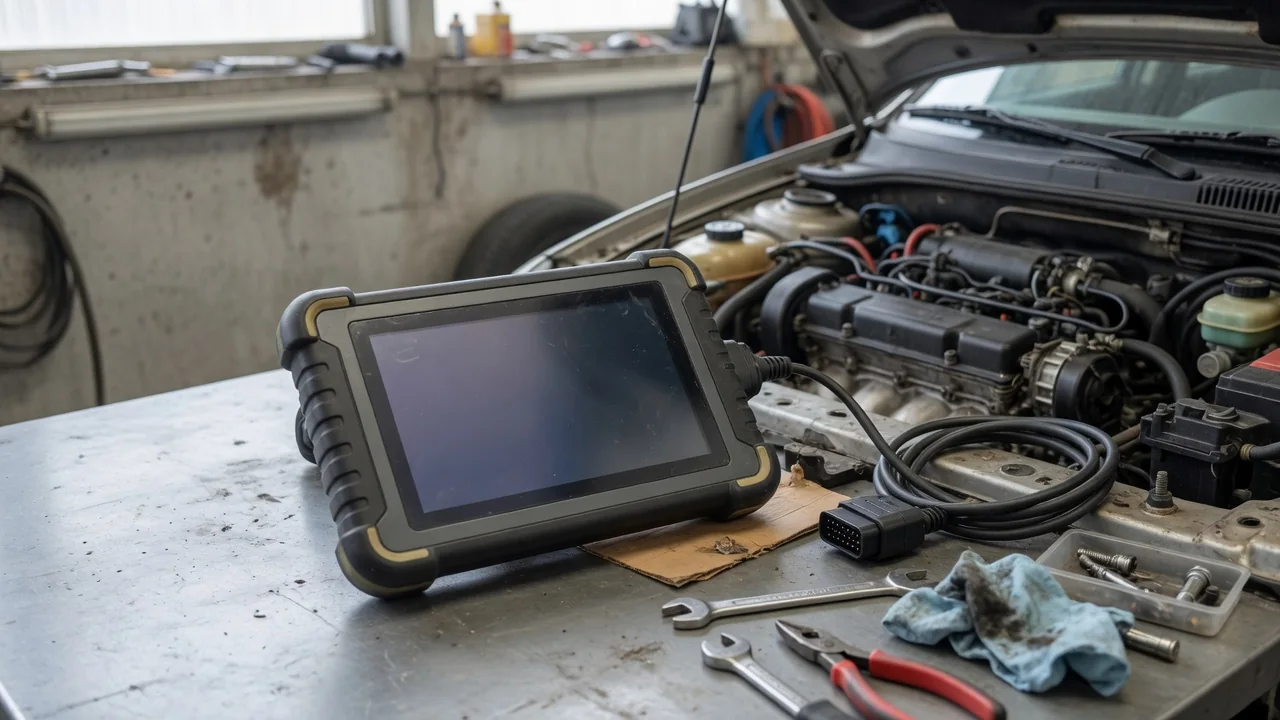
P1168 is a manufacturer-specific trouble code, not a universal definition of one failed part. Before treating a P1168 code as a parts list, confirm the vehicle's make, model, year, engine configuration, and vehicle identification number so the applicable service information can supply the real meaning, setting conditions, and diagnostic test procedure. A scanner's short label is a starting clue, not a completed diagnosis.
Verify What P1168 Means for Your Vehicle
Unlike many standardized powertrain codes, P1168 does not carry one industry-wide component name. Different manufacturers can assign that identifier to different monitors, so a generic chart that names a single sensor or circuit is not reliable. Pair the stored P1168 code with the vehicle identification number, engine configuration, and model year before you treat any description as applicable. Those details tell a technician which factory definition, enable criteria, and diagnostic test procedure belong to that vehicle rather than to another platform that happens to share the same five-character identifier.
Scan-tool text is often truncated and may recycle wording from a similar code family. That abbreviated description is not enough to choose a repair, because the setting conditions, related monitors, and test steps live in the manufacturer's service information for that exact application. Until those sources confirm what P1168 means on your vehicle, treat the code as an invitation to look up the correct definition rather than as proof that a named part has failed. Make, model, and engine family still matter even when two cars display the same code number.
Symptoms to Record When P1168 Appears
After a P1168 code sets, the check engine light may be the only change a driver notices. That is expected when the verified definition points to a monitor that does not immediately alter drivability. If the vehicle feels different, write down rough running, hesitation, stalling, hard starting, or a change in fuel use as observations, not as proof of a particular failed part. Those notes help a technician match operating complaints to the documented setting conditions once the manufacturer-specific meaning is confirmed.
Record when the concern appears: at startup, after warmup, at idle, or during ordinary driving. Do not try to recreate stalling, severe shaking, or other unsafe behavior on purpose. Timing still matters because some monitors run only after specific temperatures or load ranges, so a complaint that happens only when cold can differ from one that appears on the highway. Smooth operation after the light comes on does not prove the underlying fault has gone away; a pending or confirmed trouble code can remain while the engine still feels normal.
Preserve Scan Data Before Clearing the Code
Before anyone clears P1168, capture the complete code description, whether it is a pending trouble code or a confirmed trouble code, any companion codes, and all available freeze-frame data. Freeze-frame snapshots record engine speed, load, temperature, and related values at the moment the control module stored the fault. Those operating conditions often matter more than the five-character identifier when the concern is intermittent, because they show the driving state in which the monitor failed rather than a later idle snapshot taken in a bay.
Add a short diagnostic history: recent repairs, battery disconnects or jump starts, and when the check engine light first appeared or began flashing. That context can explain a newly stored P1168 code after a module reset or after work on a related circuit. Erasing codes to see if the light stays off discards freeze-frame evidence and can reset readiness monitors without correcting anything. Keep the original records so a technician can compare later test results with the conditions that first set the manufacturer-specific trouble code.
Identify Possible Causes From the Verified Definition
Once the vehicle-specific definition is confirmed, every proposed cause should map to that wording and to the documented setting conditions. If the applicable service information describes a monitored circuit, a plausible path might include the sensor, its wiring, a connector, or a related control function, but only as items the diagnostic test procedure actually evaluates. A P1168 code that names a sensor or a monitored function is still only evidence that a condition was detected. It does not, by itself, establish that the named component has failed or that replacement is the next step.
Do not expand the cause list into unrelated systems just because they sit nearby in the engine bay. Wiring damage, poor connections, or related operating conditions belong in the investigation only when the manufacturer's procedure points there for that engine configuration. Accompanying codes can narrow the search by showing related monitors that also failed, yet they do not automatically reveal which event happened first. A technician still has to follow the documented order of tests rather than replacing parts in the sequence the scan tool happens to list them.
Safe Observations and When to Seek Professional Testing
Owner checks should stay conservative. With the vehicle parked and the engine off, note dashboard warnings and look from a safe position for obvious leaks, damaged connectors, or loose parts that are visible without reaching into hot or moving areas. Do not probe wiring, disconnect components, open pressurized systems, or handle parts that may still be hot. Those steps belong in a shop where the verified diagnostic test procedure can specify the correct circuit checks and live-data analysis for that P1168 definition.
A flashing check engine light, severe shaking, repeated stalling, smoke, or a sudden loss of power are reasons to stop in a safe place and seek professional help rather than continue gathering notes. Whether it is reasonable to drive with a stored P1168 code depends on those symptoms, any instructions in the owner's information, and the verified fault, not on a general claim that the identifier is harmless. If drivability is already compromised, treat the vehicle as needing prompt testing instead of waiting to see whether the light goes out on its own.
Choose a Repair and Confirm the Fault Is Resolved
Repair choices should follow a demonstrated fault, not a parts catalog keyed only to P1168. After the applicable tests isolate the problem, the work might be as limited as restoring a confirmed poor connection or as involved as replacing a component that actually failed those tests. The correct category depends on the verified definition and on measured results, so two vehicles with the same code can need different repairs. Skip substitutions that are not supported by the diagnostic test procedure for that engine configuration and vehicle identification number.
Repair verification is more than watching the check engine light go out after codes are cleared. Confirm that the relevant function operates as the service information describes, then see whether the P1168 code returns under the manufacturer-specified conditions that originally set it. An immediately dark warning lamp only shows that stored history was erased. Scope and cost still follow the confirmed cause, how difficult the area is to reach, and how much testing remains, which vary by vehicle and cannot be reduced to one typical price for this identifier.