P1166 Code: Vehicle-Specific Meaning, Symptoms, and Repairs
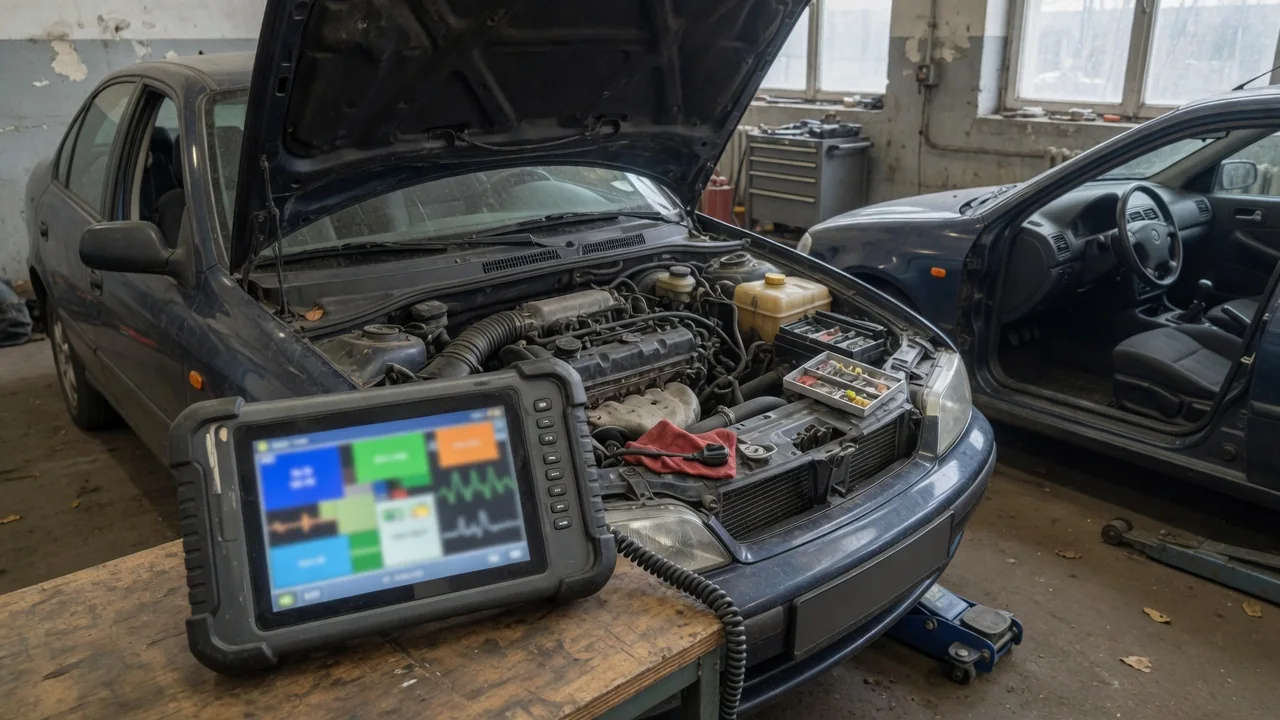
The P1166 code is a manufacturer-specific trouble code, so it does not share one universal meaning across every make and engine. Scanner wording can still describe the wrong system if vehicle identification is incomplete. Confirm the vehicle-specific code definition first, then treat P1166 as evidence of a detected condition rather than proof a particular part has failed.
Verify What P1166 Means for Your Vehicle
P1166 is a manufacturer-specific trouble code, which means the same five-character identifier can point to different monitored conditions depending on the automaker and the calibration in the vehicle. A generic scan tool may display a short phrase, but that phrase is not a substitute for the vehicle-specific code definition published for that platform. Before interpreting scanner wording or naming an affected system, identify the make, model, model year, engine, and any other identification details the service information requires, including the VIN when the catalog uses it.
Checking the manufacturer's service information is required because P1166 cannot be assigned one universal component or fault definition. The code identifies a detected condition within a monitored circuit or strategy, not a confirmed failed part. Two vehicles can store the same P1166 code while the intended diagnostic path, related sensors, and acceptable test results differ. Until that definition is confirmed, replacing parts based on a shared label or a generic description risks missing wiring, power, ground, or related operating conditions that produced the stored result.
Symptoms and Warning Signs to Record
A check engine light may be the only noticeable sign when a P1166 code is stored, especially if the condition is pending or has not yet changed how the engine feels. Symptoms depend on the verified P1166 definition rather than on the identifier itself, so rough running, hesitation, starting difficulty, or a change in fuel use should be recorded as observations, not assumed to apply to every vehicle that reports this code. Note whether the warning appears at startup, after warmup, or during particular driving conditions without deliberately recreating unsafe situations.
Pending codes and freeze-frame data still matter even when drivability seems unchanged, because they document when the control module first detected the condition. If the check engine light flashes, power drops sharply, the engine overheats, or a strong fuel smell appears, stop safely and seek assistance rather than continuing to drive. Those warning signs are not unique to P1166, but they indicate a situation that can worsen quickly. Record what you saw, heard, and smelled, then leave further testing to a technician who can work from the confirmed definition.
Possible Causes Within the Confirmed System
Every proposed cause of a P1166 code should be tied to the verified vehicle-specific definition and its diagnostic procedure, not to a shared parts list. When the confirmed description involves a monitored circuit, wiring damage, corroded or loose connectors, and faults in power or ground can change the signal the control module sees. Sensor circuit testing and wiring inspection belong in that sequence when the service information calls for them. A damaged harness or poor terminal contact can set P1166 even when the sensor or actuator itself still measures within specification.
Sensor or actuator faults should be considered only where the confirmed P1166 definition supports that component, and even then the code is not proof the part has failed. Other operating conditions, related faults, or upstream problems can influence the monitored reading, so the stored result alone cannot establish the root cause. A technician may need to compare live data against the conditions captured when the code set, then follow the manufacturer's branching tests. Naming a universal replacement part for P1166 is not valid because the affected hardware changes with the platform.
Safe Checks Before a Diagnostic Appointment
Before anything is cleared, save the exact scanner description of the P1166 code, every accompanying code, pending or confirmed status, and any freeze-frame data the tool can display. That snapshot shows engine speed, load, temperature, and other conditions at detection and is often lost if codes are erased too early. Note recent repairs, battery interruptions, and when symptoms began as context, without assuming any of those events caused the code. Those details help a technician choose the correct starting point in the manufacturer's procedure.
Owner inspection should stay limited to easily visible damage or loose connections with the vehicle parked, the engine off, and components cool. Do not probe electrical terminals, work beneath an unsupported vehicle, or touch hot or moving parts. Access to many connectors, sensors, and grounds requires a technician because the hardware sits behind covers, near exhaust heat, or in locations that need proper support and isolation. If nothing obvious is visible, stop there; further sensor circuit testing is part of professional diagnosis, not a driveway shortcut.
How Professional Diagnosis Narrows Down P1166
Professional diagnosis of a P1166 code begins with the confirmed definition, any accompanying codes, and the manufacturer's published test sequence for that vehicle. Freeze-frame information and relevant live data help establish the conditions under which the fault was detected, such as whether the monitor ran cold, hot, at idle, or under load. Comparing those captured values with current readings can show whether the condition is still present or intermittent. A generic scan tool may retrieve P1166 and a brief label, but it often lacks the bidirectional tests and manufacturer PIDs the procedure expects.
When the applicable procedure requires it, a technician checks circuit integrity, supply voltage, grounds, and component response using the methods specified for that platform. Those checks distinguish an open or shorted circuit from a component that is not responding as commanded, without treating the stored P1166 code as a parts replacement order. Intermittent faults may need additional observation because a monitor can store a result that does not repeat on a short test drive. Repair is justified only after the test path identifies a confirmed fault, not after a single unexplained reading.
Repair Options and Confirmation That the Fault Is Resolved
Repair options for P1166 follow the test results: correcting a confirmed connection fault, repairing damaged wiring, or replacing a component only after it has failed the specified checks. Replacement-part suitability must be confirmed with the exact vehicle and engine details, because similar-looking sensors or actuators can differ by calibration and connector. Clearing P1166 does not prove a repair worked and can remove freeze-frame data, pending codes, and monitor status that still matter. Erasing the memory should wait until the technician is ready to verify the system under the conditions the procedure requires.
Repair verification typically includes repeating the relevant system checks, confirming that P1166 does not return as a pending or confirmed code, and completing a technician-directed operating cycle so the monitor can run. That cycle is defined by the manufacturer for the affected system and is not a short trip around the block. An estimate depends on diagnostic time, access, and the confirmed repair rather than on the code number alone. Until those steps finish, treat P1166 as unresolved even if the check engine light is off.