P1165 Code: Meaning, Symptoms, Causes, and Fixes
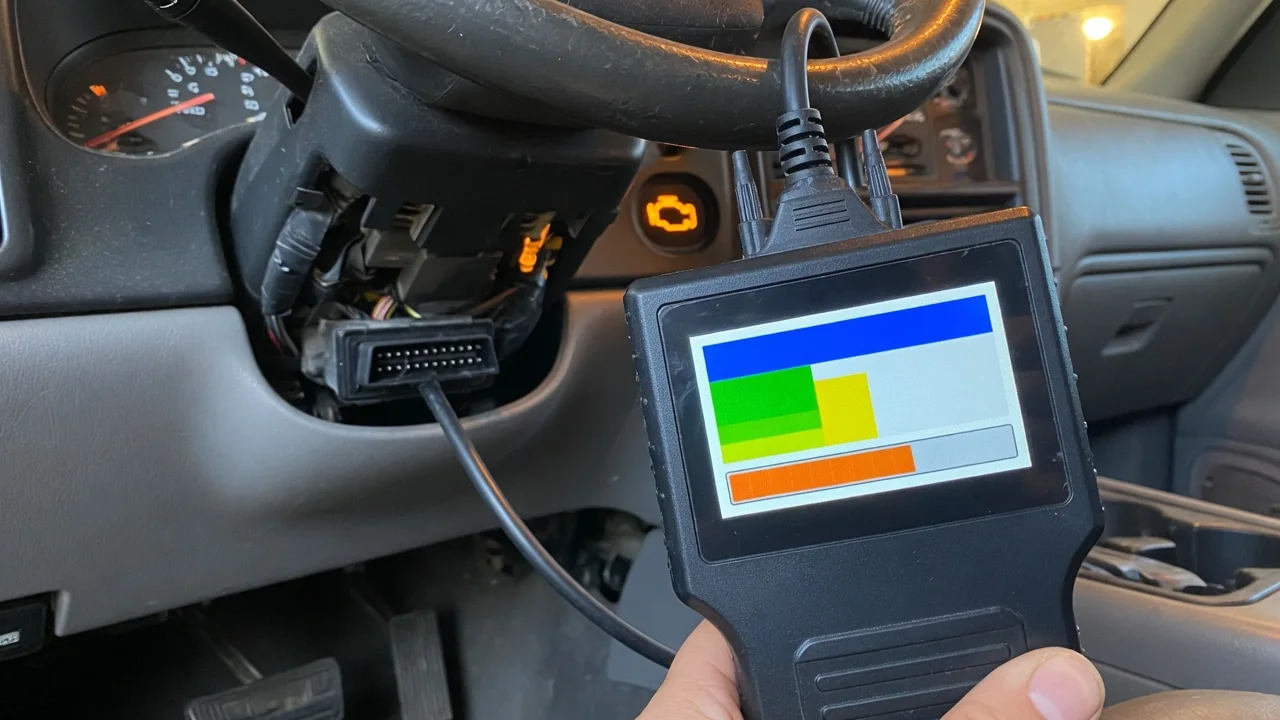
A P1165 trouble code indicates that the engine control module has flagged a problem in a manufacturer-defined circuit, but the exact meaning changes from one automaker to another. Because this is a P1xxx code, it is not governed by the universal OBD-II list. The same code can point to a sensor range issue, an air or fuel delivery fault, or an emissions-monitoring problem. Without confirming the definition for your specific make, model, year, and engine, you risk chasing the wrong component.
What P1165 Means and Why the Definition Depends on Your Vehicle
P1165 belongs to the P1xxx block of diagnostic trouble codes, which manufacturers reserve for vehicle-specific definitions. There is no single meaning that applies across Acura, Nissan, Ford, Volkswagen, or any other brand. One automaker may use it for a fuel rail pressure plausibility check, while another may define it as an O2 sensor heater control circuit fault. Only factory service information for that exact application can give the intended definition. Generic online code libraries become misleading here because they may blend unrelated definitions from different brands.
The engine computer sets a P1165 code after a test routine fails, not because it has fingerprinted a bad part. It is a symptom report that merely says, “this monitored circuit or system fell outside expected behavior.” Confirming the code means comparing the scan tool’s enhanced manufacturer definition with factory information for that VIN-specific application. Technicians rely on dealer-level tools or subscriptions because the definition and test criteria can vary even between model years and engine options. Using a definition from another brand can send the diagnosis in the wrong direction before testing starts.
Symptoms Drivers May Notice With a P1165 Code
The check engine light is the typical first sign of P1165, and it is often the only one. Some drivers notice no change in idle smoothness, acceleration, or fuel economy, which is why the light may be ignored. Others may detect a rough idle, a soft hesitation when pulling away, or slightly higher fuel consumption, but none of these are guaranteed because they flow from the confirmed definition. Until you know which circuit is flagged, you cannot predict the drivability effect. A stored P1165 alone does not always mean the engine is misfiring or running rich or lean.
Recording the conditions when the light appears or when the engine behaves oddly gives the technician useful diagnostic context. A symptom that appears only during the first cold start of the day points toward a different set of tests than one that shows up at steady highway cruise. If the check engine light flashes, if the engine misfires severely, or if you smell raw fuel, stop driving as soon as it is safe. Those signs suggest unburned fuel is reaching the exhaust or a serious combustion fault is active, which can damage the catalytic converter and create a fire risk.
Possible Causes to Consider Once the Definition Is Confirmed
A useful cause list for P1165 must wait until the definition is confirmed for your vehicle. The code could point at a sensor circuit, such as an air-fuel ratio sensor or fuel pressure sensor, or it could involve an actuator like a fuel injector driver or a control solenoid. Wiring and connectors in that circuit are always candidates because open circuits, high resistance, or short circuits will create the same flag. Vacuum or intake air leaks can also produce a fuel control code if unmetered air reaches the cylinders, even though no electrical fault exists.
Related diagnostic trouble codes stored at the same moment often narrow the diagnosis faster than P1165 alone. A simultaneous misfire code on one cylinder may suggest an injector or coil issue, while an EVAP code could point toward purge flow affecting fuel trims. Two codes together can create a cause-and-effect picture. Avoid assuming any single failure is the most common; manufacturer pattern failures change by model year and engine family. Similarly, a specific part number that works on one VIN may be wrong for another, so fit and compatibility must be verified later.
Safe Checks You Can Do Before Visiting a Shop
Before clearing anything, record every code, pending code, and the freeze frame dataset exactly as displayed. The freeze frame captures engine speed, coolant temperature, fuel trims, and load when the fault was first set, which can show whether the problem appeared during warm-up or at operating temperature. Clearing the code erases this snapshot, and it also resets the emissions readiness monitors. That means the vehicle will fail an inspection until the monitors complete their self-tests again, so avoid a quick clear unless you have saved the data.
With the engine off and cool, a careful visual inspection costs nothing and can find obvious faults. Look for a disconnected vacuum hose, a cracked intake boot, chafed or burnt wiring, or a loose connector near the sensors related to the confirmed definition. Rodent damage and brittle insulator cracks are common in engine bays that sit unused. Do not probe wiring with a test light, because some circuits carry low-voltage reference signals that a test light can overload. A dealer can check for open technical service bulletins or software updates for your VIN, which sometimes address a known P1165 condition.
How a Technician Diagnoses P1165
A technician’s first step is to confirm the P1165 definition in the manufacturer’s service information for that exact vehicle. After that, the diagnostic flowchart for that specific code guides the testing order. Live data becomes the primary tool: watching the suspect sensor voltage, fuel trim behavior, or actuator duty cycle during a commanded test can confirm whether the circuit is responding. Freeze frame data adds the initial conditions. Guessing at a part without these observations often leads to a repeat visit, because the code reappears when the true cause remains.
Circuit testing may require backprobing connectors with a digital multimeter, but active components and high-voltage ignition or fuel pump circuits can be dangerous. Smoke testing for intake and EVAP leaks uses a regulated smoke machine, not flammable DIY sprays, and fuel pressure testing on high-pressure direct injection systems must follow the factory depressurization procedure. Ask the shop for the actual measured results—sensor voltage, resistance, leak location, or fuel pressure—that justify any replacement they propose. A parts quote without test evidence is a red flag.
Repair Approach and Confirming the Fix
The repair should directly target the verified cause from the diagnostic tests. If a sensor voltage was out of range at a specific connector, repairing the wiring or replacing that sensor is reasonable. If a smoke test found a torn intake boot, the fix is the boot, not a new oxygen sensor. Throwing parts at a code based on a generic internet guess often prolongs the problem and wastes money, especially when a wiring repair or software update is the actual solution. The confirmed definition plus test results form the only sound basis for ordering parts.
After the repair, the technician clears the code and performs the manufacturer-recommended drive cycle. That drive cycle exercises all readiness monitors until they report complete without the DTC returning. If the monitor for the repaired system reaches ready and the light stays off through a few varied trips, the fix is confirmed. Delaying a repair on a fuel control or emissions-related P1165 can allow fuel trim drift, catalyst damage, or secondary codes to appear, making the eventual fix more expensive. Repair cost varies widely by cause and vehicle, so avoid comparing any single price without the same confirmed diagnosis.