P1164 Code: Meaning, Symptoms, Causes, and Fixes
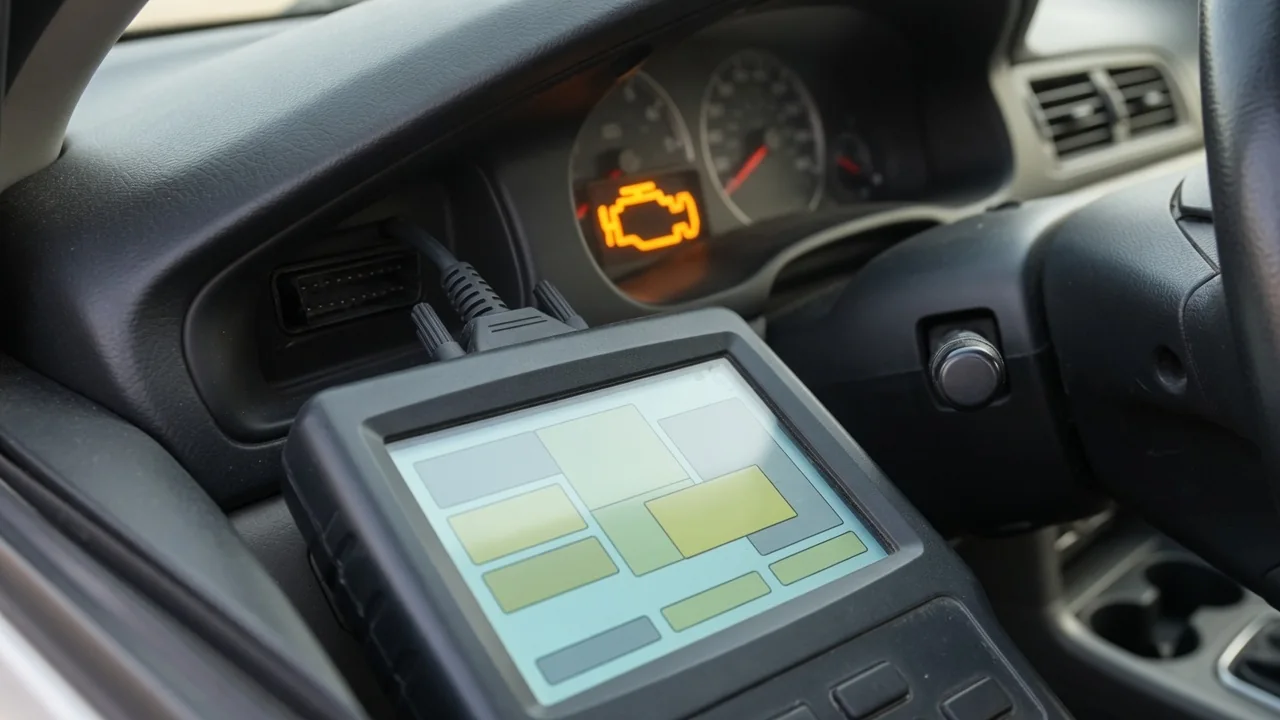
A P1164 code can be confusing because it is a manufacturer-specific trouble code, meaning its definition changes depending on the make, model, year, and engine of your vehicle. Unlike generic P0xxx codes, P1164 has no universal meaning, so the first step after the check engine light appears is to identify exactly what your vehicle’s engine control module is reporting. Symptoms may be subtle or severe, and the cause could range from a simple connector issue to a failed sensor.
What P1164 Means and Why the Definition Depends on the Manufacturer
The P1164 code falls into the P1xxx range, which manufacturers reserve for enhanced diagnostic codes specific to their vehicles. This means a P1164 on a Ford may describe a different circuit or system than the same code on a Nissan or BMW. The engine control module sets this code when it detects a condition outside expected parameters, but the exact condition varies by manufacturer and even by engine. Without knowing the vehicle-specific definition, any guess about the fault is unreliable and can lead to incorrect repairs.
To confirm the exact meaning for your vehicle, use a scan tool that includes enhanced manufacturer data, or consult factory service information or a dealer. The freeze frame data stored with the code often shows when and under what operating conditions it was set, which helps narrow the diagnosis. Look for accompanying codes as well, since a related fault may be the real trigger. Never trust a generic online definition that might come from a different brand or powertrain, because acting on it can waste time and money.
Symptoms Drivers May Notice With a P1164 Code
The symptoms you experience with a P1164 code depend entirely on which system the manufacturer links to this number. Because P1164 is not universally defined, one vehicle may show no drivability change at all, while another may idle roughly or hesitate during acceleration. Common general signs that accompany a stored powertrain code include an illuminated check engine light, reduced fuel economy, or a subtle change in engine smoothness. However, none of these symptoms are guaranteed for every vehicle, and some drivers notice nothing unusual.
If the check engine light is flashing rather than steady, or if the vehicle stalls, hesitates severely, or displays warning messages, limit driving and have it checked promptly. A flashing light typically indicates a misfire condition that could damage the catalytic converter. Even a steady light accompanied by poor performance should be addressed soon, because the underlying problem may worsen. On the other hand, a vehicle that drives normally with only the light on may still need diagnosis, especially if emissions inspection is due.
Possible Causes to Consider Once the Definition Is Confirmed
Once you have confirmed the vehicle-specific definition of P1164, you can narrow down possible causes. In general, engine-management codes like this are often related to sensor signal problems, wiring or connector issues, fuel or air metering concerns, or software logic inside the control module. For example, if P1164 refers to a heater circuit for an oxygen sensor, the cause could be a failed sensor heater, a broken wire, or a blown fuse—not necessarily the sensor itself. These are possibilities, not a ranked list, and your vehicle may have a unique fault.
Avoid replacing parts based only on the code number. A P1164 does not prove that any specific component has failed; it only indicates that a monitored circuit or system behaved abnormally. Swapping a sensor without checking wiring, connectors, and control module commands often results in the code returning. Manufacturer service information and diagnostic flowcharts exist precisely to prevent this kind of unnecessary expense. The code is a starting point for testing, not a final verdict on what to replace.
Safe Checks You Can Do Before Visiting a Shop
Before visiting a shop, you can record useful information that will speed up diagnosis. Write down the full list of codes, freeze frame data, and the conditions when the light came on—such as engine temperature, vehicle speed, and whether you had just refueled. This data often tells a technician under what load, temperature, or driving pattern the fault occurs. Resetting the code before recording this information erases valuable evidence, so avoid clearing it even if your scan tool offers that option.
With the engine off and cool, you can perform simple visual checks near the component related to your P1164 definition, if you know it. Look for obviously loose, damaged, or disconnected connectors and hoses in that area. Do not disassemble anything or probe wiring without proper knowledge, especially on fuel or ignition systems. Also note whether other codes are present, because a separate fault code might share a common cause, such as a bad ground or a damaged harness, which changes the diagnostic approach.
How a Technician Diagnoses P1164
A professional technician will first consult manufacturer service information and any technical service bulletins for your specific vehicle. These resources often describe known issues with P1164 and provide step-by-step diagnostic procedures. The technician then connects a scan tool to view live data from related sensors and actuators, comparing actual readings with specified values under various conditions. This comparison may reveal a sensor that is out of range, slow to respond, or stuck at a fixed value, pointing to the fault.
Following the manufacturer's diagnostic procedure, the technician may perform wiring checks, connector inspections, and component tests. For example, if the code involves a sensor circuit, they might check for proper voltage, ground, and signal continuity, and test the sensor's output. In some cases, a software update to the engine control module is the solution, but only when the manufacturer's information calls for it. A professional will not guess or throw parts at the problem, because the procedure is designed to isolate the true cause efficiently.
Repair Approach and Knowing When to Get Professional Help
The appropriate repair for P1164 depends on the confirmed cause, which may range from repairing a damaged connector to replacing a sensor or other component. If the issue is a corroded terminal or chafed wire, a simple harness repair may be all that is needed. In other cases, a failed sensor must be replaced with a part that meets the original specifications. Avoid purchasing parts based on unverified recommendations, and do not attempt repairs involving fuel systems, high voltage, or complex wiring unless you have proper tools and training.
Professional diagnosis is recommended when the fault involves fuel system components, high-voltage circuits, or complex electrical work, or when you lack the necessary tools. After any repair, clear the code and perform a test drive under conditions that previously set it. Monitor for the code's return over several days of normal driving. Also check the vehicle's readiness monitors, because they may need to complete their self-tests before an emissions inspection. A successful repair means the code stays away and the system operates normally.
Is It Safe to Keep Driving With P1164?
Whether it is safe to keep driving with P1164 depends on the vehicle-specific definition and the symptoms you observe. Some definitions relate to emissions systems that do not affect immediate drivability, while others involve fuel control or ignition. If the vehicle runs normally and the check engine light is steady, a brief trip to a repair shop is often acceptable, but do not ignore the code indefinitely. A flashing check engine light, stalling, a strong fuel smell, or overheating are warning signs that you should stop driving as soon as safely possible.
An unresolved P1164 code can also affect emissions inspection readiness in many areas. The malfunction indicator light itself will cause a failed inspection in most regions, and the underlying fault may increase tailpipe emissions. Even if your area does not require inspection, leaving a code unaddressed can lead to more serious damage over time, such as a clogged catalytic converter from a misfire. Get the code diagnosed soon rather than waiting for symptoms to worsen, especially since some faults can become costly if ignored.