P1162 Code: Meaning, Symptoms, Causes, and Fixes
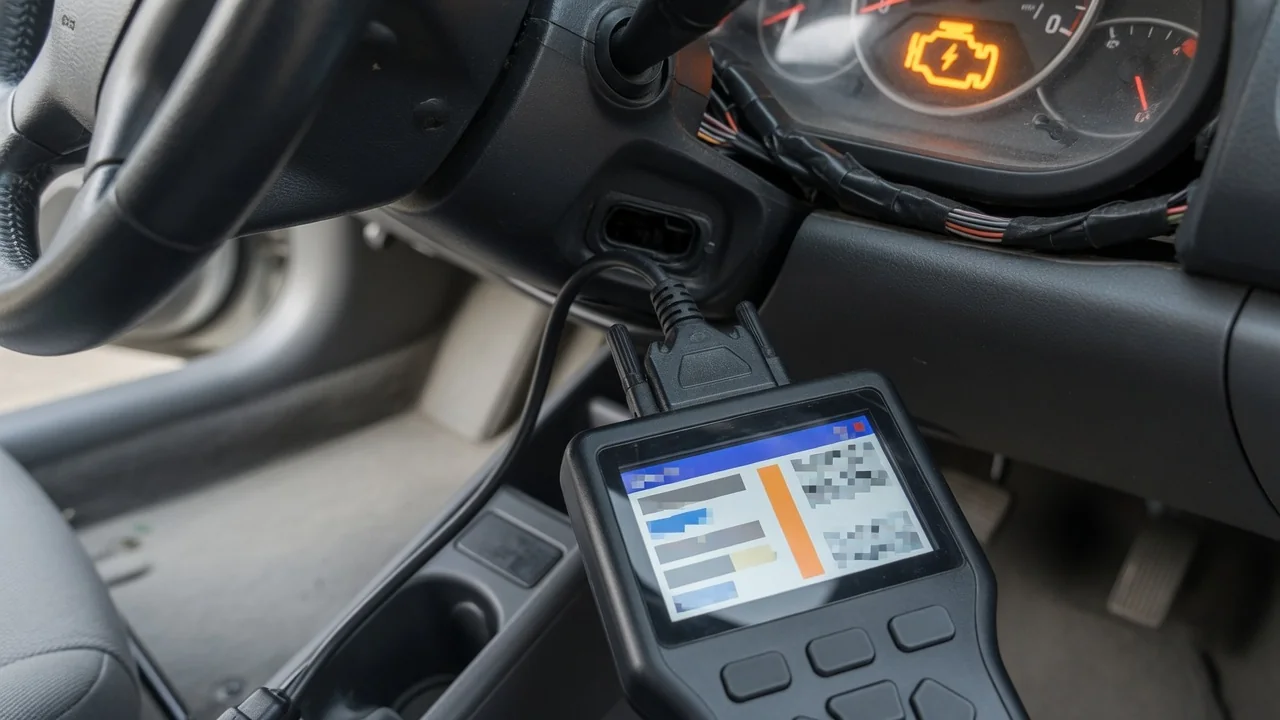
Encountering a P1162 code can be puzzling because its meaning depends on your vehicle's manufacturer. Unlike standard OBD-II codes, P1xxx codes are manufacturer-specific, so the same number may refer to different circuits across makes and models. Before assuming a fault or replacing parts, confirm precisely what P1162 indicates for your exact make, model, year, and engine. With a proper scan tool, freeze frame data, and factory service information, you can interpret this code accurately and avoid unnecessary repairs.
What P1162 Means and Why the Definition Depends on the Manufacturer
The P1162 code belongs to the P1xxx range, which automakers reserve for their own definitions. There is no universal meaning across all vehicles. On one brand, P1162 might point to an air/fuel ratio sensor heater circuit; on another, it could signal a fuel temperature sensor issue or a specific emission control fault. Because different manufacturers use the same number for different functions, a generic lookup can mislead you. Your vehicle's engine control system determines the actual reference, so checking the definition for your exact application is essential before taking any action.
Reliable confirmation requires a scan tool with manufacturer-enhanced definitions, factory service information such as a workshop manual or online repair database, or assistance from a dealer or qualified shop. Enhanced scan tools decode the manufacturer-specific meaning directly, while factory service information includes diagnostic charts and component locations. A quick online search for the code alone is inadequate because results may show one definition for every vehicle, which can be incorrect for your car. Always cross-reference the code with your make, model, year, and engine code before drawing conclusions.
How to Read the Code Correctly With a Scan Tool
When using a scan tool, pay careful attention to the code status. A pending code means the fault was detected once but has not yet met the criteria to light the check engine light. A confirmed code has been stored after a failure, and a history code is no longer currently active but was set previously. These statuses tell you whether the problem is active or an intermittent issue from the past. Freeze frame data, a snapshot of engine conditions when the code set, is especially valuable. Record engine temperature, speed, load, and any other displayed parameters before clearing anything.
Always note every other stored code alongside P1162. Related codes can alter your interpretation because they may share a power supply, ground, or sensor reference. For example, multiple sensor circuit codes could indicate a wiring harness problem rather than several failed sensors. Clearing the code before recording freeze frame data and other codes erases crucial diagnostic evidence. Some scan tools can save or print freeze frame data, but once the memory is cleared, the original conditions are gone. Treat the scan tool as a tool for gathering evidence, not just erasing codes.
Symptoms Drivers May Notice
Because P1162 can represent different systems across vehicles, symptoms vary widely. Some drivers notice only a check engine light with no change in driving behavior. Others may experience rough idle, hesitation, stalling, reduced power, or altered fuel economy. The symptoms depend on which sensor or circuit the manufacturer assigned to this code. For instance, a fault affecting air/fuel ratio control might cause rough running, while a fuel temperature sensor issue could affect cold starts or vapor management. You cannot rely on symptoms alone to identify the fault, since different systems can create similar drivability complaints.
In many cases, the vehicle stores P1162 with no noticeable symptoms at all. The engine control module may detect a subtle circuit problem or a performance issue before it affects normal driving. However, if the check engine light is flashing or the engine is running very poorly—misfiring, shaking, or losing power—limit driving and have the vehicle inspected soon. A flashing check engine light often indicates a condition that could damage the catalytic converter or pose a safety risk. Severe drivability issues should be treated as urgent, but even severe symptoms do not confirm which specific component caused the code.
Common Cause Categories to Consider Once the Definition Is Confirmed
After confirming the manufacturer-specific definition for your vehicle, you can consider broad cause categories. Typically, a P1162 code points to a sensor fault, a wiring or connector problem, a circuit issue such as an open or short to ground or power, or a related system operating incorrectly. The exact category depends on what the code means for your car. For example, if P1162 refers to an oxygen sensor heater circuit, the cause could be in the sensor itself, the wiring to the heater, the connector, or the engine computer's driver circuit.
Wiring and connector problems are frequently overlooked but must be ruled out before replacing parts. Engine vibration, heat, moisture, and road debris can damage harness insulation, push pins out of connectors, or create intermittent opens and shorts. A visual inspection may reveal obvious damage, but many wiring faults are hidden inside the harness or occur only under specific conditions. Testing the circuit with a digital multimeter and factory wiring diagrams is the only way to confirm a wiring or connector issue. Replacing a sensor without checking the circuit commonly leads to the same code returning.
Safe Checks You Can Do Before Visiting a Shop
You can perform a few safe checks before visiting a shop, but keep them visual and non-invasive. Look for obvious damaged wiring, chafed insulation, loose connectors in easily visible areas, or signs of corrosion in exposed connections. If you recently had repairs done, check whether any connectors in that area were left unplugged or wires were pinched. These simple observations can sometimes reveal the problem without tools. However, do not disconnect or probe any components unless you are certain of what you are doing, since you could introduce a new fault or damage a connector.
You can also ask a dealer whether any technical service bulletins or software updates apply to your vehicle. Dealers can check by VIN, but that does not ensure a bulletin exists for every code. If a bulletin exists, it may describe a known wiring routing issue or a calibration update that addresses the code. Remember that a visual inspection cannot confirm a circuit or sensor fault. Even a connector that appears fine can have high resistance or a broken wire hidden inside the insulation. Never work near hot exhaust parts, moving engine components, or fuel system parts when the engine has been running or the key is on.
When Professional Diagnosis Is Needed and What to Expect
Professional diagnosis is often required because confirming the fault usually involves manufacturer test procedures, live data review, and electrical testing. A technician with a professional scan tool can view sensor readings in real time, activate outputs, and follow the specific diagnostic chart for your vehicle. They may need to check power, ground, and signal circuits with a multimeter or use a scope to assess signal quality. This level of testing goes beyond what a code reader can do and helps avoid replacing parts that are not actually faulty.
When you bring the vehicle to a shop, tell the technician everything you recorded: the code status, freeze frame data if available, all other stored codes, any symptoms noticed, and any recent repairs. This information focuses their diagnosis and avoids repeating work already done. Replacing parts without testing can waste money and may not clear the code. For example, installing a new sensor to fix a wiring problem will not solve the issue, and the code will return. Repair costs depend on the confirmed cause and your vehicle, so obtain a diagnosis first and an estimate based on that diagnosis rather than a guess from a generic code chart.
Confirming the Repair and Preventing a Return of the Code
After a repair, the engine control module's readiness monitors must run again before you can be certain the fault is resolved. Some monitors complete quickly during normal driving, while others require a specific drive cycle—a combination of cold start, steady cruising, and other conditions. A technician may perform a road test while watching live data or monitor status to confirm that the monitor runs and passes. Until the affected monitor completes without setting the code, you cannot guarantee the repair was successful. In some states, incomplete monitors can cause an emissions inspection failure, so it's important to drive enough to let them run.
Watch for the code returning after the repair. If P1162 reappears, it could mean the original problem was not fully fixed, a different component is now failing with the same code, or the repair caused a new issue. Keep records of the codes, tests done, and repairs performed, including part numbers and dates. This assists future diagnosis because the same code may appear again later. For ongoing maintenance, refer to your owner's manual for the manufacturer's recommended service schedule. Do not use a code as a reminder to replace parts on a fixed interval, since the code indicates a fault, not a maintenance need.