P1157 Code: Verify Its Meaning, Symptoms, and Repair Approach
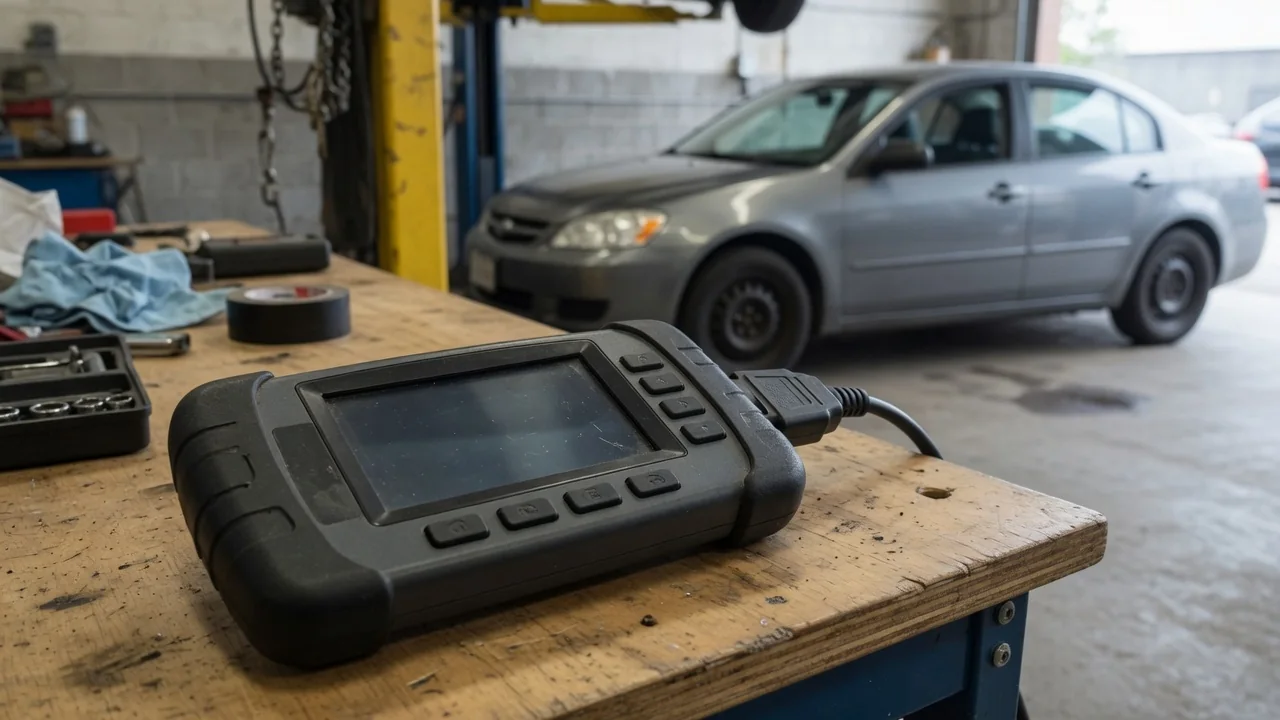
P1157 is a manufacturer-specific trouble code, so its diagnostic trouble code definition is not the same on every vehicle. A generic scan description can flag a stored or pending condition and turn on the check engine light, yet it cannot name the affected system without make, model, year, engine, and the vehicle identification number when required. Confirm the application first, then interpret P1157 symptoms, possible triggers, and a repair approach against that verified meaning.
Verify What P1157 Means for Your Vehicle
The P1157 code does not carry one industry-wide meaning. Different manufacturers assign this identifier to different monitors, so the same five-character string can describe unrelated circuits, sensors, or control strategies depending on the vehicle. Before interpreting the result, identify the exact application: make, model, model year, and engine family, plus the vehicle identification number when service information needs it to distinguish similar platforms. Without those details, the definition remains incomplete, and any conclusion about the failed part is premature.
A handheld diagnostic scan tool often prints a short label next to P1157, and that text can look decisive. Those generic captions are not a substitute for the manufacturer’s diagnostic trouble code definition for that VIN-coded application. The scanner may be translating a powertrain identifier without confirming which control module set it, which monitor failed, or which component the procedure actually tests. Until vehicle-specific service information verifies the meaning, treat the readout as a starting flag rather than proof of a particular sensor, actuator, or wiring fault.
Symptoms to Record When P1157 Appears
When P1157 appears, the check engine light or a related malfunction indicator may be the only change a driver notices. Whether the engine feels different depends on the verified definition for that vehicle, not on the code number itself. Some applications store P1157 as a pending code with no drivability change, while others set it during conditions that also affect idle quality or throttle response. Record what you actually felt rather than assuming a standard set of complaints applies to every P1157 code.
Note any rough running, hesitation, hard starting, or a change in fuel use, and write those observations as timed events rather than as proof that a named part failed. Useful context includes whether the engine was cold or fully warmed, whether the vehicle was idling, accelerating, or cruising, and whether the warning stayed on, flashed, or returned after a restart. P1157 symptoms documented this way help a technician match freeze-frame data to real operating conditions. They still cannot identify the failed component or show that every complaint belongs to this one code.
What Can Trigger the Verified P1157 Definition
Once the manufacturer-specific definition is confirmed, possible triggers should be organized around that monitor rather than around a universal parts catalog. If the verified description points to a sensor circuit, the next questions concern signal plausibility, connector condition, and wiring continuity in the path the procedure actually tests. If it points to an operating strategy, the relevant conditions may be fuel trim, temperature, or a commanded actuator state instead of a single replaceable part. Naming a component in a code description does not prove that component has failed.
Related codes stored in the same control module can show whether P1157 appeared alone or as part of a broader circuit, communication, or fuel-system pattern. Recent service history also matters: a battery disconnect, connector reseat, or unfinished repair can leave pending codes and freeze-frame snapshots that look like a new failure. Wiring, connections, component performance, and operating conditions are worth discussing only when they match the confirmed definition. Without application-specific support, no cause should be labeled common, and the scan result remains evidence to interpret rather than an invitation to replace parts.
Safe Checks Before a Diagnostic Appointment
Before an appointment, save the complete scan report, including code status, pending codes, and any freeze-frame data the diagnostic scan tool captured when P1157 set. Clearing the memory erases the snapshot of engine speed, load, temperature, and fuel status that technicians use to recreate the fault. Also note recent maintenance, battery work, or repairs that happened near the time the check engine light came on. Timing can suggest a starting point for questions, but it does not prove that the last service caused the code.
Limit visual observations to readily accessible areas with the engine off and cool. Look for obviously loose connectors, damaged insulation in plain view, or fluid contamination around a related module only if you can see it without disconnecting, probing, or dismantling parts. Do not attempt circuit tests at home. If the warning light flashes, or if the vehicle develops severe shaking, stalling, overheating, or substantial power loss, stop in a safe place and arrange assistance rather than continuing to drive while gathering more notes.
How Professional Testing Guides the Repair
Professional diagnosis follows the manufacturer’s procedure for the confirmed P1157 definition and the exact vehicle application, not a generic flowchart shared across brands. Technicians compare related codes, the recorded operating conditions, and relevant live data to decide which test comes next. That comparison can show whether the monitor failed during a cold idle, a loaded cruise, or a transient command, which changes the order of checks. The goal is to reproduce the condition the control module actually reported rather than to replace the first part named on the scanner.
Circuit or component tests exist to confirm whether a signal, power feed, ground, or mechanical response is out of the range the procedure specifies for that vehicle. Those tests are selected after the definition is verified; they are not a license to probe randomly or to apply universal voltage numbers that were never supplied for this application. Repair recommendations should follow the test results. Clearing P1157 or replacing a sensor mentioned in a short scanner caption is not diagnosis, because the code is evidence of a failed monitor, not proof that a part has already failed.
Confirm the Repair and Handle a Returning Code
Repair verification starts after the documented repair, not after the warning lamp goes out. A technician should recheck relevant live data and code status to confirm the same monitor is no longer failing under the conditions that originally set P1157. The applicable readiness monitor still needs to run under the manufacturer-specified enabling conditions for that vehicle; there is no single drive cycle that covers every application. An extinguished check engine light immediately after codes are cleared only shows the memory was erased, not that the fault path has been corrected.
If the P1157 code returns, preserve the new scan report, freeze-frame data, and any pending codes instead of replacing additional parts on suspicion. A repeat set usually means the original diagnosis missed a condition, a related circuit, or an operating requirement that the control module still cannot satisfy. Compare the new snapshot with the first one to see whether the fault now occurs at a different temperature, load, or command state. That comparison is the reason to reopen testing rather than to keep swapping components that the evidence has not implicated.