P1156 Code: Meaning by Manufacturer, Symptoms and Diagnosis
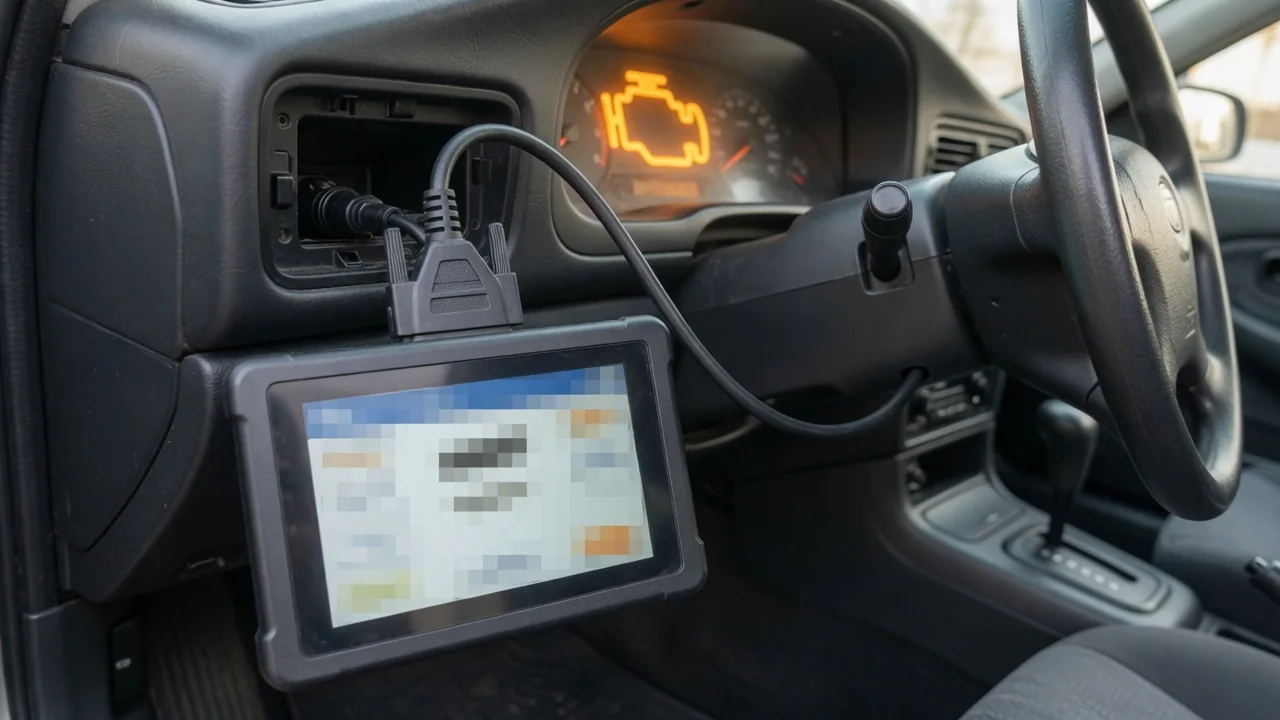
A P1156 diagnostic trouble code can be confusing because it does not carry one universal meaning across all vehicles. Unlike generic P0xxx and P2xxx codes, P1xxx codes are manufacturer-specific, so the same number points to different systems depending on the make, model, year, and engine. Before jumping to conclusions, check the exact definition for your vehicle. This guide explains why the meaning varies, how to read the code correctly, common symptoms, possible causes, safe owner checks, professional diagnosis, and post-repair steps.
What P1156 Means and Why the Definition Depends on Your Vehicle
The P1156 code belongs to the manufacturer-specific range, meaning each automaker can assign it a different diagnostic meaning. For example, one brand may use it for an oxygen sensor heater circuit issue, while another could define it as a manifold absolute pressure sensor correlation fault. Therefore, no single definition is correct for every vehicle. To avoid misdiagnosis, you must confirm the exact interpretation for your particular powertrain using reliable factory service information or a dealer-level resource.
Generic online code lists often present one definition as if it applies universally, which can mislead you into replacing the wrong component. A scan tool that displays the manufacturer's text for the code is helpful, but even that should be verified with official repair information. Because the same number can point to different systems on different manufacturers, a diagnosis from one vehicle should never be transferred to another. Always treat any single-brand definition you find as something to verify against your vehicle's documentation.
How to Read the Code Correctly Before Drawing Conclusions
Before clearing any codes, record the complete code list and freeze frame data, which captures engine conditions at the moment the fault was detected. Note whether P1156 is pending, stored, or active, because pending codes indicate an intermittent issue that has not yet fully failed. This information is essential for a technician to understand the operating state when the malfunction occurred. Clearing the code before recording this data can permanently erase valuable clues needed for accurate diagnosis.
A basic code reader may show only the number or a generic label, while a manufacturer-level scan tool often provides a more detailed description and access to related data. If other codes are stored at the same time, they can help narrow down which system the manufacturer-specific P1156 refers to. For example, a circuit code alongside a sensor plausibility code might point to a wiring harness fault. Always present the full code context to your technician rather than just the P1156 number.
Symptoms Drivers May Notice With P1156
Drivers may notice a variety of symptoms with P1156, but these are not guaranteed and depend on the underlying definition. Common observations include an illuminated check engine light, changes in idle quality, hesitation on acceleration, reduced engine power, or altered fuel economy. Some vehicles might run perfectly with no drivability change at all, especially if the fault is intermittent. Keep in mind that symptoms alone cannot identify the exact problem without proper diagnosis.
Certain warning signs call for immediate attention and limiting driving: a flashing check engine light, strong fuel smell, overheating, or activation of a reduced-power mode. These conditions can indicate a misfire or other issue that may damage the catalytic converter or create a safety hazard. When symptoms do occur, note the specific conditions—such as cold start, warm idle, or under load—and share these details with a technician. This information helps narrow down the possible cause.
Possible Cause Categories to Discuss With a Technician
Once the verified definition for your vehicle is known, possible cause categories can be discussed with a technician. These often include a faulty sensor, damaged wiring or connector in the related circuit, a short or open circuit, or a control module software issue. Avoid assuming any single component is to blame, and do not replace a part based only on the code number. Many sensors are replaced unnecessarily when the real fault is in the wiring harness or connector.
Checking for manufacturer technical service bulletins or software updates is a useful step that a dealer or independent shop can perform. These bulletins may describe known issues and recommended fixes for your specific vehicle, but their existence is not guaranteed. Replacing a part without verifying the circuit can waste money and may not resolve the code. A methodical diagnosis that checks the entire system is more cost-effective than guesswork.
Safe Checks an Owner Can Do Without Tools or Risk
With the engine off and cool, you can perform a visual inspection of accessible wiring and connectors related to the area indicated by the manufacturer's definition. Look for loose, damaged, or disconnected connectors, chafed wires, or signs of corrosion. Also check for recent work, aftermarket parts, or accident damage that may have disturbed the wiring harness. These simple observations can sometimes reveal an obvious issue, but they are not a substitute for professional testing.
Do not attempt electrical probing, back-probing, component removal, fuel system work, or driving tests that could create hazards. A clean visual inspection does not rule out a fault, as many electrical problems are hidden inside insulation or connectors. If you find something clearly wrong, such as a disconnected plug, reseating it may help, but the code should still be properly diagnosed to confirm the repair. Always prioritize safety and leave complex checks to a qualified technician.
How Professional Diagnosis of P1156 Usually Works
A professional technician starts by confirming the exact manufacturer definition for your vehicle using factory service information. They then follow the specific diagnostic procedure, which typically includes reviewing live data from the engine control module, testing the related circuit for resistance and voltage, and checking the component's operation with proper equipment. This process confirms the fault before any parts are replaced, avoiding unnecessary repairs and ensuring the root cause is addressed.
When you bring your vehicle to a shop, ask which definition applies to your P1156 code and what test result supports the recommended repair. A competent technician should be able to explain the fault in terms of sensor readings or circuit measurements. Repair cost varies depending on the confirmed cause, labor rates, and location, so avoid online price estimates that assume a single part failure. Trust the diagnostic process rather than a code-only guess.
After the Repair: Confirming the Fix and Preventing Repeat Codes
After the repair, the engine control module may need to run specific monitors and drive cycles before it confirms the fix and turns off the check engine light. Some vehicles require a particular sequence of driving conditions to complete the readiness monitors. Keep records of the codes, freeze frame data, and repairs performed, as this history is invaluable if the issue recurs. Watching for the code to return in the days following the repair is a good practice.
General habits such as fixing wiring damage promptly and having warning lights checked early can prevent repeat codes and further damage. Do not ignore a returning P1156, as intermittent faults may not have been fully resolved. If the code comes back, return to the shop with your records, because the first repair may not have addressed the root cause. A follow-up diagnosis can focus on the original conditions and any new data captured.