P1153 Code: Vehicle-Specific Meaning, Diagnosis, and Repairs
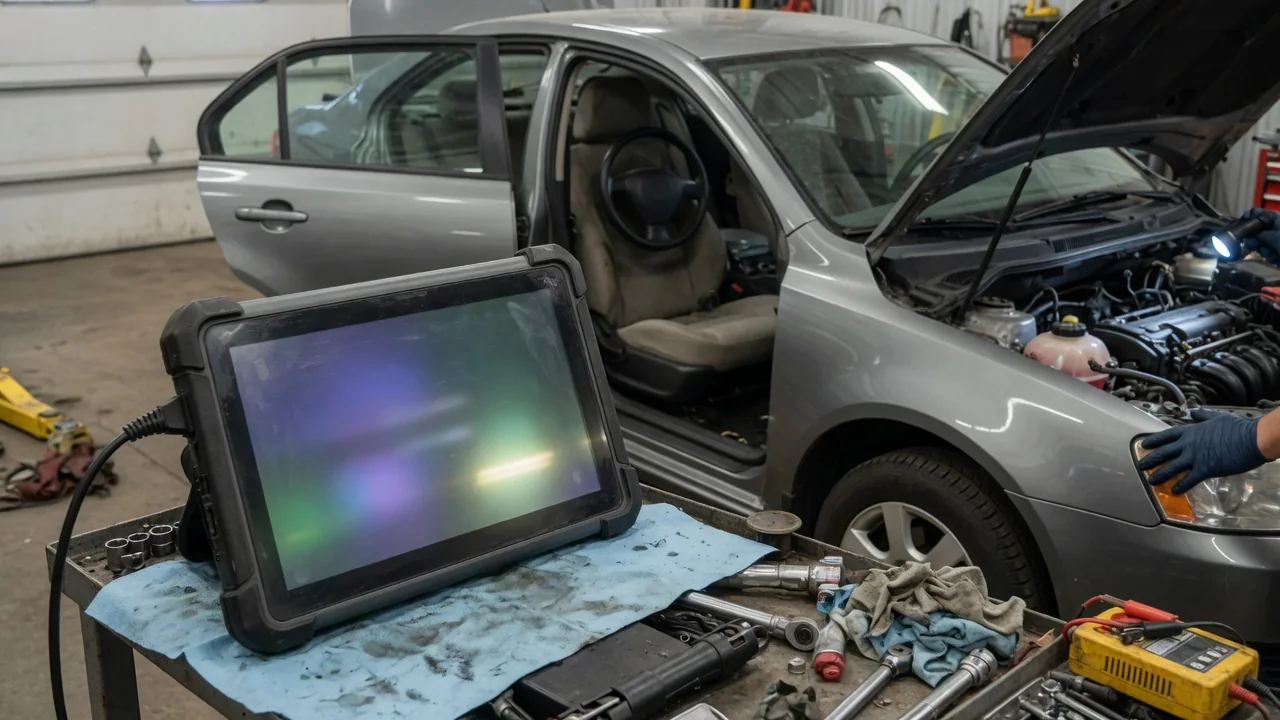
P1153 is a manufacturer-specific trouble code, so a scanner label alone cannot tell you what failed on every vehicle. Confirm the meaning with vehicle identification details and the maker's diagnostic information before you interpret the check engine light. Freeze-frame data and pending codes help show when the condition was stored. Treat P1153 as evidence to investigate, not as proof that a part needs replacement.
Verify What P1153 Means for Your Vehicle
The P1153 code is not a single industry-wide definition. Different manufacturers assign this number to different monitored conditions, so the same stored result on two vehicles can describe unrelated systems. Before you interpret it, match the code to the vehicle's make, model, year, engine, and the applicable manufacturer diagnostic information. A generic scan tool may print a short phrase that omits the enable criteria, circuit names, or operating range the factory procedure actually uses.
That verified description tells you which fault criteria the control module applied; it does not confirm a failed part or authorize a replacement. Vehicle identification is required because similar engines can use different sensors, connectors, or software calibrations. Once the factory wording is confirmed, treat it as the starting point for diagnosis rather than a conclusion. A pending code or a mature check engine light still needs testing against the manufacturer's conditions before any repair decision is made.
Symptoms and Warning Signs to Record
A check engine light may be the only change you notice after P1153 sets. Drivability effects depend on the verified manufacturer-specific definition, so another vehicle with the same number can behave differently. Note rough running, hesitation, stalling, unusual odor, or a change in fuel use if they occur, but do not treat those observations as proof of a cause. Record whether the warning appeared at startup, during warm operation, under acceleration, or in another repeatable condition so freeze-frame data can be compared later.
Write down how the vehicle felt immediately before the light came on, including idle quality, throttle response, and whether the condition returned after a restart. Those notes help a technician decide whether the stored event matches live scan data. If the engine light flashes, the vehicle shakes severely, power drops enough to affect safety, or a strong fuel smell is present, stop safely and seek assistance. Do not continue driving to see if it clears when those warning signs are present.
Possible Causes After the Definition Is Confirmed
After the vehicle-specific P1153 definition is confirmed, possible causes belong to the system and fault criteria that definition describes. A component fault, damaged wiring, a poor connection, or an abnormal operating condition can all set the same monitored result. Sensor circuit testing may be part of that investigation when the factory wording points to a circuit, but a sensor-related definition does not establish that the sensor itself has failed. The control module reports that a condition was outside its expected range, not which part produced that reading.
Accompanying codes can narrow the search by showing related monitors that ran at the same time, yet they still do not prove causation. Recent repair work, connector disturbance, or incomplete reassembly can introduce a new circuit problem that coincidentally stores P1153. Compare those history details with freeze-frame data rather than assuming the newest part is at fault. Pending codes that have not matured may also point to an intermittent condition that needs observation instead of immediate replacement.
Safe Checks Before a Diagnostic Appointment
Before any clearing, save the exact P1153 description, every accompanying code, each code's status, and any freeze-frame data the scanner can display. Those snapshots show engine speed, load, temperature, and other conditions the module recorded when the fault set. Gather the vehicle identification details and a brief maintenance or repair history for the technician. That package lets professional testing start from the stored event instead of from a blank memory after a reset.
Limit owner observations to what you can see with the vehicle parked, the engine off, and components cool. Look for obvious loose connectors, damaged insulation, or fluid contamination in accessible areas, and do not unplug connectors or probe circuits. Clearing codes or disconnecting the battery can erase pending codes and freeze-frame data without repairing the fault. Repair verification later depends on that original information remaining available for comparison with live scan data.
How Professional Testing Identifies the Fault
A technician follows the manufacturer's diagnostic procedure for the confirmed P1153 definition and the actual vehicle configuration. Freeze-frame conditions, related codes, and relevant live scan data show whether the fault is currently active or only stored from an earlier event. That comparison matters because an intermittent condition may not be present during a short shop visit. The procedure then directs circuit, component, or system testing only where the verified definition calls for those steps, using the factory's own criteria rather than a universal chart.
Sensor circuit testing, when specified, evaluates wiring integrity, connector quality, and the module's expected signal under the conditions that originally set the code. Results still need vehicle-specific confirmation because manufacturer-dependent codes do not share one set of pass-fail values. An intermittent fault may require additional road observation so the monitor can run again. A stored P1153 code by itself cannot establish the repair; the confirmed test finding does.
Repair the Confirmed Cause and Verify the Result
Repair options follow the test findings, not the code number. A verified poor connection may only need cleaning and proper seating, while a component proven faulty by the manufacturer procedure may require replacement. If a part is needed, identify it from the vehicle's make, model, year, engine, and factory catalog data; P1153 does not establish interchange. After the work, confirmation includes checking relevant operation and whether the code returns under the manufacturer's specified monitoring conditions.
Repair verification is incomplete if the monitor never reruns or if live scan data still shows the original abnormal condition. Diagnostic time, access to the affected circuit or component, and the confirmed fault all influence cost, so request an itemized estimate before authorizing work. Pending codes should be reviewed after the repair drive so a returning P1153 is not missed. A check engine light that stays off after the required monitors complete is one sign the stored condition has been addressed.