P1152 Code: Vehicle-Specific Meaning, Diagnosis, and Repairs
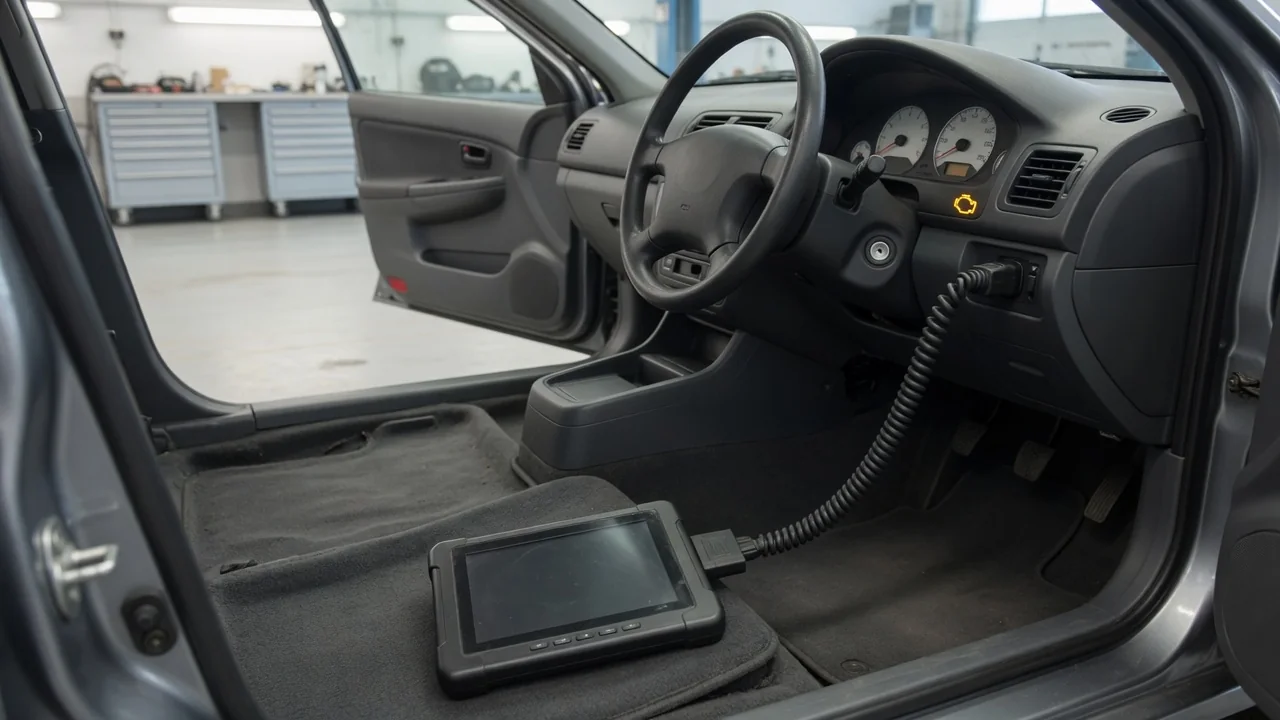
The P1152 code is a manufacturer-specific trouble code, so it does not carry one factory-wide definition across every year, make, and engine. A check engine light with this stored result is a request to identify the vehicle and look up the applicable service meaning before naming a sensor, bank, or circuit. Scanner wording, freeze-frame data, and pending codes help frame diagnostic testing, but they do not by themselves prove which part failed.
Confirm What P1152 Means for Your Vehicle
P1152 is a manufacturer-specific trouble code, which means two vehicles can store the same alphanumeric result and still be describing different systems. One application may point toward mixture monitoring, another toward an oxygen sensor signal path, and a third toward an entirely different circuit. Without the year, make, model, engine family, and other vehicle identification details from the VIN or underhood labels, any attempt to assign a single textbook meaning is guesswork rather than diagnosis.
Vehicle-specific service information must be consulted before interpreting the P1152 code or naming a sensor, bank, or circuit. A scan tool's short description is a starting label, not a parts list. It does not establish which component has failed, whether the fault is on a particular bank, or even whether the problem is electrical versus a true mixture issue. Until the applicable definition is confirmed in factory documentation for that exact vehicle, diagnostic testing should stay focused on identifying the intended system rather than replacing hardware by habit.
Symptoms and Warning Signs to Record
A check engine light is the most common reason a P1152 code is noticed, yet drivability complaints are not guaranteed and should never be treated as universal to this result. Some drivers report rough running, hesitation, a fuel odor, or a change in fuel use, while others feel nothing unusual. Note when any complaint appears: at cold startup, at idle, during acceleration, or only after the engine warms. Those timing details later help a technician compare symptoms with freeze-frame conditions.
Absence of obvious driving symptoms does not confirm that a stored P1152 is harmless. The control module can flag a monitoring fault while the engine still feels smooth, especially if the condition is intermittent or limited to a narrow operating window. A flashing check engine light, severe shaking, stalling, or a strong persistent fuel smell is a different situation: stop safely, avoid continued driving that could worsen a misfire or a fuel leak risk, and seek assistance. Record what the light was doing and what you noticed before the vehicle cooled.
Possible Causes Depend on the Confirmed Definition
Once the vehicle-specific definition is confirmed, possible causes should be organized around the system that definition actually names. If the applicable text concerns oxygen-sensor feedback or mixture control, an oxygen sensor signal, a wiring or connector fault, and a true mixture problem are three different paths and require separate testing. A lazy or biased sensor reading can mimic a rich or lean condition, while an intake leak, exhaust leak, or fuel-delivery issue can change the mixture the sensor is honestly reporting.
Connectors, wiring, intake or exhaust leaks, and fuel-delivery issues belong on the suspect list only when the applicable diagnostic procedure supports those checks for that definition. The P1152 code itself cannot justify replacing a sensor and cannot rank which cause is most likely. Likelihood depends on live data, circuit integrity, and whether fuel trim movement matches a real mixture shift or a signal problem. Treating the stored result as a parts order skips those distinctions and often replaces a working component while the original condition remains.
How a Technician Diagnoses a P1152 Code
Before any codes are cleared, a technician should record stored and pending codes, freeze-frame data, and the exact scanner wording for the P1152 result. Freeze-frame captures operating conditions when the fault set, such as engine temperature, load, and speed, which later guide a repeatable test. Accompanying codes help establish sequence: a related mixture, misfire, or sensor-circuit result may change which test comes first. Clearing too early erases that snapshot and can turn an intermittent P1152 into a harder-to-duplicate complaint.
Interpretation of live data and circuit tests must follow the manufacturer's diagnostic procedure and the specifications that apply to that vehicle, not a generic chart. Where the confirmed definition involves mixture control, a professional evaluation looks at oxygen sensor signal response and fuel trim behavior without treating any single number as a universal pass or fail. A basic code reader can retrieve P1152 and a short label, but it cannot substitute for circuit testing, leak detection, or fuel-system checks that require professional equipment when the procedure calls for them.
Safe Observations Before a Service Visit
Before a service visit, document recent repairs, refueling, and when the check engine light first appeared, including whether it stayed on, flickered, or returned after a restart. Those notes are clues, not proven causes; a fill-up or a prior repair may coincide with P1152 without explaining it. With the engine off and cool, a brief visual look for an obviously disconnected accessible connector or a damaged vacuum hose can be useful. Do not probe wiring, disconnect fuel lines, reach near hot exhaust components, or work beneath an unsupported vehicle.
Clearing the P1152 code or disconnecting the battery before diagnosis can remove useful evidence. Freeze-frame data, pending codes, and monitor status often disappear with a reset, leaving the shop to wait for the fault to set again under the same conditions. If the condition is intermittent, that wait can be long and the original snapshot is gone. Leave stored information intact, write down the scanner description you already saw, and let diagnostic testing start from the evidence the control module actually saved.
Repairs and Checks That Confirm the Fault Is Resolved
Each repair should be tied to a demonstrated fault inside the system named by the confirmed definition, such as a verified wiring defect, a confirmed leak, or a component that failed its specified test. Vehicle-specific identification comes first: which sensor, which bank or position, and which circuit the factory information actually assigns. Replacing an oxygen sensor or another part because the P1152 code sounded similar to another vehicle is not diagnosis. The correct hardware and location must match that year, make, model, and engine before any replacement is discussed.
Clearing the code is not repair verification. The fault must be rechecked under the manufacturer's specified conditions so the same monitor can run and either pass or set again. After the work, watch for a returning P1152, unresolved drivability symptoms, and incomplete monitor status. If the result comes back, the original cause was missed or a related fault remains, and follow-up diagnostic testing is required. Successful repair verification means the monitor completes without the code, and the recorded complaints no longer appear under the same operating conditions.